
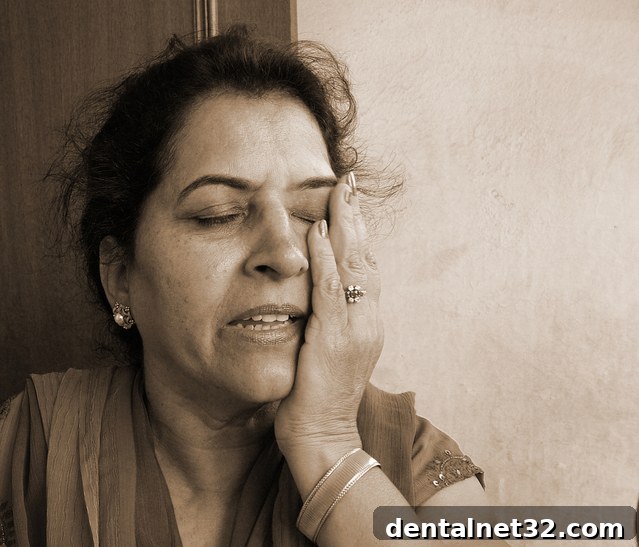
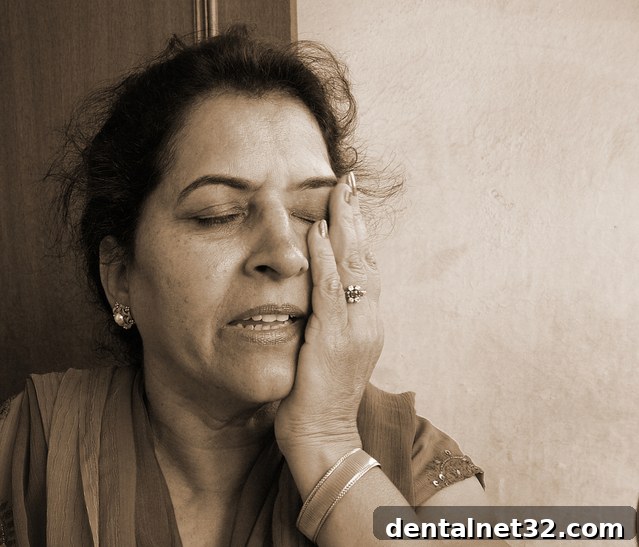
A dental filling is a routine and effective treatment for a cavity, designed to restore your tooth’s function and stop decay in its tracks. You leave the dentist’s office feeling relieved that the problem is solved. But what happens when you start to feel a twinge, a sharp pain, or a dull ache in that same tooth hours or days later? Experiencing tooth pain after a filling can be confusing and alarming, but it’s more common than you might think. While some sensitivity is normal, persistent or severe pain can indicate an underlying issue. In this comprehensive guide, we’ll explore the various reasons your tooth might hurt after a filling, differentiate between normal sensitivity and a potential problem, and explain what you can do to find relief.
Understanding the Dental Filling Procedure
To understand why you might feel pain, it helps to know what happens during the filling process. A cavity is essentially a hole in your tooth caused by decay. Your dentist’s goal is to remove this decay and seal the tooth to prevent further damage. The procedure typically involves several steps: first, your dentist will likely take X-rays to assess the extent of the decay. Then, a local anesthetic is administered to numb the tooth and surrounding gum tissue, ensuring you remain comfortable. Using specialized tools, the dentist carefully removes the decayed portion of the tooth. The area is then thoroughly cleaned to eliminate any remaining bacteria before the filling material is placed, shaped, and hardened.
The process, while standard, does involve manipulating the tooth structure. This can sometimes lead to temporary inflammation or sensitivity, which is a normal part of the healing process.
Normal Tooth Sensitivity Immediately After a Filling
The most common reason for discomfort after a filling is temporary tooth sensitivity. This is not usually a sign of a problem but rather the tooth’s reaction to the procedure. The nerve inside the tooth, known as the pulp, can become irritated or inflamed from the drilling and the temperature changes involved. This sensitivity typically manifests as a sharp, sudden pain in response to specific triggers. It should feel temporary and gradually decrease over a few days to a couple of weeks.
If you are experiencing this type of sensitivity, it’s best to avoid common triggers to minimize discomfort:
- Temperature Extremes: Very hot or cold foods and beverages are primary culprits. Avoid ice cream, iced drinks, hot coffee, or steaming soup for a few days.
- Cold Air: Breathing in cold air through your mouth can cause a sharp jolt of pain. Try to breathe through your nose when you’re outside in chilly weather.
- Sugary and Acidic Foods: Foods high in sugar or acid, such as sticky candies, citrus fruits, tomatoes, and coffee, can exacerbate sensitivity.
- Biting Pressure: Chewing directly on the new filling can cause discomfort. Try to chew on the opposite side of your mouth for a day or two.
This type of sensitivity is a normal part of the healing process and usually resolves on its own as the nerve inside the tooth calms down.
How to Manage and Treat Tooth Pain at Home
If you’re dealing with mild to moderate sensitivity, several at-home remedies can provide significant relief while your tooth heals:
- Use a Desensitizing Toothpaste: Toothpastes formulated for sensitive teeth contain compounds like potassium nitrate, which helps to block the pathways that transmit pain signals from the tooth surface to the nerve.
- Take Over-the-Counter Pain Relievers: Anti-inflammatory medications like ibuprofen or acetaminophen can effectively manage pain and reduce inflammation in the tooth’s pulp.
- Practice Gentle Oral Hygiene: Switch to a toothbrush with soft bristles and brush gently using circular motions. Aggressive brushing can wear down enamel and increase sensitivity.
- Avoid Whitening Products: Teeth whitening treatments can significantly amplify sensitivity. Postpone any whitening plans until your tooth feels completely normal again.
- Rinse Your Mouth: After consuming acidic foods or drinks, rinsing your mouth with water can help neutralize the acid and reduce its impact on your teeth.
- Try a Topical Numbing Gel: Over-the-counter oral ointments containing benzocaine can provide temporary, localized relief from tooth pain.
When Tooth Pain Signals a Deeper Problem
While most post-filling pain is temporary sensitivity, sometimes the discomfort is a sign of a more significant issue that requires a follow-up visit to your dentist. It’s important to understand these other potential causes so you can seek timely treatment.
An Incorrect Bite Alignment (High Filling)
One of the most common non-sensitivity issues is a “high” or “tall” filling. If the filling material extends even slightly above the natural level of your other teeth, it will absorb too much force when you bite down. This can cause significant pain, particularly when chewing. You might notice that your teeth don’t seem to fit together correctly. Fortunately, the solution is simple: your dentist can easily smooth down the filling to correct your bite, providing almost instant relief.
Pulpitis: Inflammation Deep Inside the Tooth
Pulpitis is an inflammation of the dental pulp—the soft tissue deep inside your tooth containing nerves and blood vessels. This is more likely to occur if the cavity was very deep and close to the pulp, or if the tooth has undergone multiple procedures.
There are two types of pulpitis:
- Reversible Pulpitis: This is a mild inflammation where the pulp is irritated but healthy enough to heal. The pain is typically sharp and brief, occurring only in response to a trigger. This condition often resolves on its own or with a minor adjustment to the filling.
- Irreversible Pulpitis: This occurs when the inflammation is severe and the nerve has started to die. The pain is often a spontaneous, throbbing ache that lingers long after a trigger has been removed. In this case, the tooth will not heal on its own and may require a root canal to save it.
Allergic Reaction to Filling Materials
Though rare, some individuals can have an allergic reaction to the materials used in a filling. This is most commonly associated with amalgam (silver) fillings due to the presence of mercury. Symptoms might include pain accompanied by a skin rash or itching near the filling site. If an allergy is suspected, your dentist can replace the amalgam filling with a composite (tooth-colored) or other non-metallic material.
When to Call Your Dentist After a Filling
It’s crucial to know when to wait it out and when to seek professional help. You should contact your dentist immediately if you experience any of the following symptoms:
- Severe or Throbbing Pain: Pain that is constant, severe, or wakes you up at night is not normal sensitivity.
- Pain Lasting Longer Than Two Weeks: If your sensitivity doesn’t improve or gets worse after two weeks, it’s time for a check-up.
- Your Bite Feels “Off”: If you feel the filling first when you bite down, it likely needs a simple adjustment.
- Swelling or Pus: Any swelling in the gums around the tooth, your face, or the presence of pus are signs of a possible infection.
- Fever: A fever accompanying tooth pain can also indicate an infection that requires immediate attention.
- Rash or Itching: These symptoms could point to an allergic reaction to the filling material.
- A Visible Crack: If you notice the filling or the tooth itself is cracked, it needs to be repaired to prevent further damage.
Caring for Your Tooth Following a Filling
Proper aftercare is key to a comfortable recovery and the longevity of your new filling. In addition to managing sensitivity, maintaining excellent oral hygiene is paramount. Continue to brush twice a day, floss daily, and consider using a fluoride mouth rinse. This not only protects your new filling but also helps prevent new cavities from forming in other teeth. A consistent oral care routine and regular dental check-ups are your best defense against future dental issues.
Contact Your Dentist for Quality Care
At the end of the day, your dentist is your best resource for any dental concerns. While some tooth pain after a filling is normal, you should never hesitate to reach out if you’re worried. A quick phone call can provide peace of mind, and a follow-up appointment can resolve any issues before they become more complex. Ensuring your comfort and health is always the top priority.