
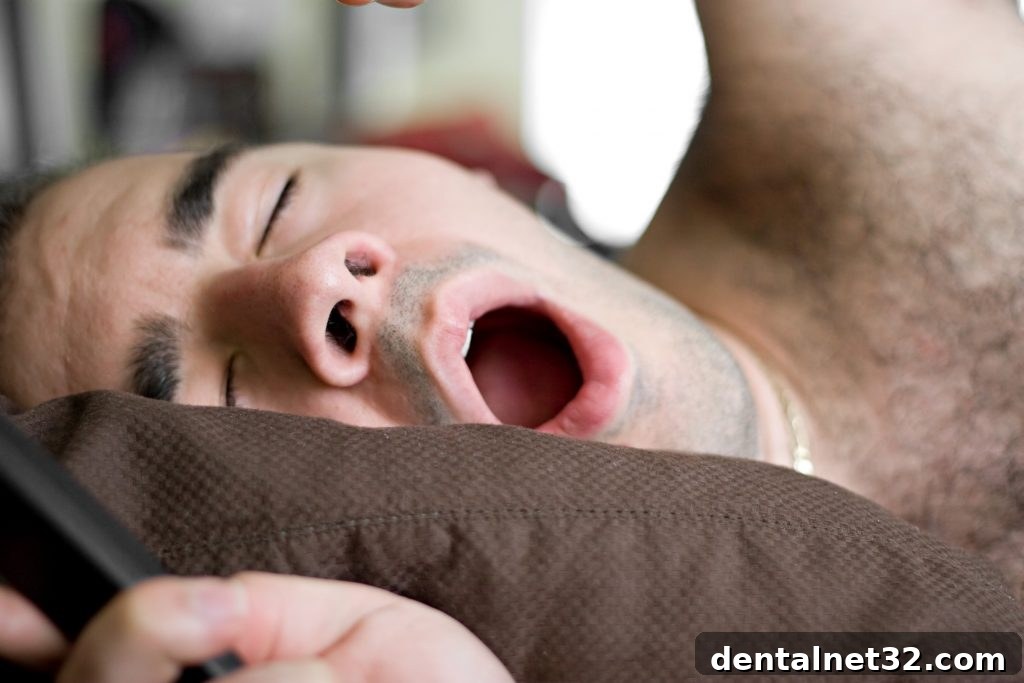
Do you often find yourself exhausted during the day, even after a full night in bed? Does your partner complain about loud, disruptive snoring? While snoring is common, it can sometimes be a red flag for a more serious underlying condition: sleep apnea. This prevalent sleep disorder affects millions of people, particularly men over 40 who are overweight, but it can impact anyone. The American Sleep Apnea Association defines sleep apnea as a condition where a person’s breathing is repeatedly interrupted during sleep. This interruption forces your brain into a critical choice between sleeping and breathing. Naturally, your brain prioritizes oxygen, but this constant cycle of waking up prevents you from reaching the deep, restorative stages of sleep necessary for optimal health. The result is a host of daytime issues, including chronic drowsiness, irritability, and a lack of focus. More alarmingly, untreated sleep apnea can contribute to severe long-term health complications like high blood pressure, stroke, and heart failure.
Your Holly Springs Dentist and Sleep Apnea: The Surprising Path to Better Sleep
Many people are surprised to learn that their dentist can be a key player in diagnosing and treating sleep apnea. While you might associate this condition with sleep specialists and bulky machines, your Holly Springs dentist is often one of the first healthcare professionals to spot the subtle warning signs. The mouth is a window to your overall health, and many symptoms of sleep apnea manifest orally. If you are experiencing any of the following issues, it’s crucial to mention them during your next dental visit. Your dentist can assess your situation and guide you toward the right steps for a proper diagnosis and a peaceful night’s sleep.
Understanding the Different Types of Sleep Apnea
Before diving into the symptoms, it’s helpful to understand that not all sleep apnea is the same. The condition is generally categorized into three main types:
- Obstructive Sleep Apnea (OSA): This is the most common form. It occurs when the muscles in the back of your throat relax excessively during sleep, causing your soft palate, tonsils, or tongue to collapse and physically block your airway. This blockage is what causes the loud snoring, gasping, and choking sounds associated with the condition.
- Central Sleep Apnea (CSA): This type is less common and involves a communication problem. With CSA, the brain fails to send the proper signals to the muscles that control breathing. The airway isn’t physically blocked, but breathing still stops and starts intermittently.
- Complex (or Mixed) Sleep Apnea Syndrome: As the name suggests, this is a combination of both Obstructive Sleep Apnea and Central Sleep Apnea.
Your dentist is primarily equipped to help identify and treat Obstructive Sleep Apnea, as it is directly related to the physical structures of the mouth and throat.
Key Symptoms to Discuss with Your Dentist
The classic sign of sleep apnea is loud, persistent snoring, but many other symptoms can point to the disorder. If you notice any of these, don’t hesitate to bring them up with your dental team in Holly Springs:
- Chronic Snoring: Especially snoring that is punctuated by pauses in breathing, followed by choking or gasping.
- Waking Up with a Sore or Dry Throat: Frequent mouth breathing and snoring can leave your throat feeling raw and irritated every morning.
- Morning Headaches: The repeated drop in oxygen levels overnight can lead to persistent headaches upon waking.
- Excessive Daytime Sleepiness (Hypersomnia): Feeling overwhelmingly tired during the day, regardless of how many hours you were in bed. This can lead to falling asleep at work, while watching TV, or even while driving.
- Restless Sleep: Tossing and turning throughout the night as your body struggles to breathe.
- Observed Apneas: A bed partner may notice that you stop breathing for periods during the night.
How Your Holly Springs Dentist Can Help Diagnose Sleep Apnea
Dentists are uniquely positioned to be your first line of defense against sleep apnea. During a routine dental examination, they are not just looking at your teeth and gums; they are assessing the entire oral and maxillofacial structure. A dentist trained in dental sleep medicine can identify several physical indicators of OSA, including:
- Worn Tooth Surfaces (Bruxism): Many people with OSA also grind or clench their teeth at night. This unconscious reaction is the body’s attempt to tighten the jaw muscles and reopen a collapsing airway.
- A Scalloped or Enlarged Tongue: A large tongue or one with ridged, wavy edges (scalloping) can be a sign that it is too big for the mouth, increasing the risk of it falling back and blocking the throat during sleep.
- A Small Jaw or Recessed Chin: Certain facial structures can predispose individuals to having a narrower airway.
- Redness and Irritation in the Throat: The constant vibration from heavy snoring can cause visible inflammation in the soft palate and throat.
If your dentist suspects you may have sleep apnea based on these oral signs and your reported symptoms, they will recommend you see a sleep specialist for a formal diagnosis, which typically involves an overnight sleep study (polysomnogram).
Oral Appliance Therapy: A CPAP Alternative
Once you have a formal diagnosis of mild to moderate Obstructive Sleep Apnea, your dentist can offer a highly effective and comfortable treatment solution: Oral Appliance Therapy (OAT). For many patients who cannot tolerate a Continuous Positive Airway Pressure (CPAP) machine, a custom-fitted oral appliance is a life-changing alternative.
These devices, which resemble a sports mouthguard or an orthodontic retainer, are worn only during sleep. They work by gently repositioning your jaw or tongue to keep your airway open. The most common type is a Mandibular Advancement Device (MAD), which shifts the lower jaw slightly forward. This small adjustment is enough to prevent the soft tissues at the back of the throat from collapsing, allowing for continuous, unobstructed breathing throughout the night.
Benefits of Oral Appliance Therapy include:
- Comfort and Ease of Use: They are small, custom-made for your mouth, and far less cumbersome than a CPAP mask and machine.
- Quiet Operation: Unlike the humming of a CPAP machine, oral appliances are silent, benefiting both you and your partner.
- Portability: They are small enough to fit in your pocket, making travel simple and convenient.
- Easy Maintenance: Cleaning an oral appliance is as easy as brushing your teeth.
Don’t Delay Your Path to a Healthier Life
Ignoring the symptoms of sleep apnea can have serious consequences. Many people dismiss their snoring as a simple annoyance, but it can be a sign of a much larger problem. The chronic sleep deprivation caused by sleep apnea can severely impact your quality of life, leading to decreased productivity at work, strained personal relationships, and a significantly higher risk of motor vehicle accidents. Over the long term, the health risks are even more severe. The strain placed on your body from repeated oxygen deprivation can precipitate dangerous conditions like high blood pressure, heart attacks, strokes, and type 2 diabetes.
Taking the first step toward treatment is simple. If you or a loved one are experiencing the symptoms discussed, it’s time to start a conversation. A knowledgeable Holly Springs dentist can be your greatest ally in this journey. To begin exploring your options and learn how we can help you achieve a quiet, restful, and healthy night’s sleep, contact Sninski & Schmitt today at 919-600-6262 or reach out to us online to schedule your consultation.