
Tired of Cotton Mouth? Your Ultimate Guide to Understanding and Treating Dry Mouth (Xerostomia)
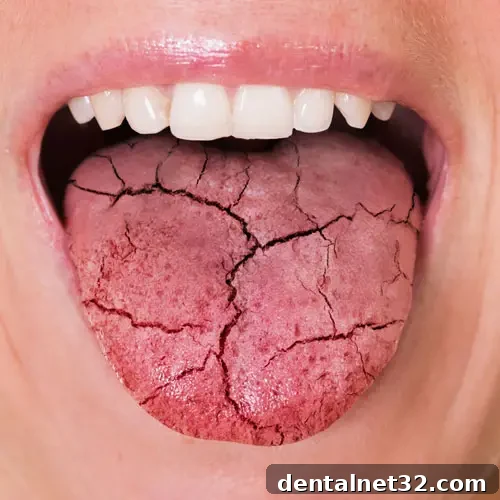
Have you ever experienced that uncomfortably dry, sticky feeling in your mouth, often called “cotton mouth”? It’s a sensation where it feels like you’ve been chewing on cotton balls, and no amount of water seems to provide lasting relief. This common condition is medically known as Xerostomia, and it occurs when your salivary glands don’t produce enough saliva to keep your mouth properly lubricated. While it might seem like a minor annoyance, persistent dry mouth can have significant consequences for your oral and overall health. Saliva is your body’s natural defense mechanism for your mouth—it helps wash away food particles, neutralizes acids produced by bacteria, prevents tooth decay, and aids in digestion. Without an adequate supply, you become more vulnerable to cavities, gum disease, and other oral infections.
This comprehensive guide will delve into the world of Xerostomia. We’ll explore its telltale symptoms, uncover the wide range of potential causes, discuss the health risks of ignoring it, and provide you with a detailed list of effective home remedies and professional treatments to help you find lasting relief. It’s time to say goodbye to that parched feeling and reclaim your oral comfort.
What Are the Telltale Signs? Symptoms of Dry Mouth
Dry mouth is more than just feeling thirsty. The lack of saliva can manifest in a variety of uncomfortable and sometimes surprising symptoms. Recognizing these signs is the first step toward addressing the underlying issue. If you experience several of the following on a regular basis, you may be dealing with Xerostomia:
- A Constant Dry or Sticky Sensation: This is the most classic symptom, a persistent feeling of dryness in your mouth and throat.
- Thick and Stringy Saliva: Instead of being thin and watery, your saliva may feel thick, foamy, or stringy.
- Difficulty Chewing, Swallowing, or Speaking: Saliva is essential for lubricating food and facilitating speech. A lack of it can make these everyday actions difficult and uncomfortable.
- Bad Breath (Halitosis): Saliva helps clear away bacteria and food debris. When it’s in short supply, bacteria can thrive, leading to persistent bad breath that brushing alone doesn’t solve.
- A Altered Sense of Taste: You might notice that foods taste different, often described as a metallic, bland, or diminished taste.
- A Sore Throat and Hoarseness: The dryness can extend to your throat, causing irritation, a burning sensation, and a hoarse voice.
- Cracked Lips and Sores: The corners of your mouth may become cracked, and you might develop mouth sores or split skin more easily.
- A Rough, Dry Tongue: Your tongue can feel dry and rough, and in some cases, it may become red and sore.
- Increased Discomfort with Dentures: For those who wear dentures, dry mouth can cause significant friction, leading to sores and making it difficult to keep the dentures in place.
Why Do I Have Cotton Mouth? Uncovering the Common Causes
The causes of dry mouth are incredibly varied, ranging from simple lifestyle habits to serious medical conditions. Identifying the root cause is crucial for effective treatment. Here are some of the most common culprits behind Xerostomia.
Medications
This is arguably the most frequent cause of dry mouth. Hundreds of prescription and over-the-counter medications list Xerostomia as a side effect. These include:
- Antidepressants and Anti-Anxiety Drugs: Many medications used to treat depression, anxiety, and other mental health conditions can reduce saliva flow.
- Antihistamines and Decongestants: Commonly used for allergies and colds, these drugs are designed to dry up mucous membranes, which also affects salivary glands.
- Blood Pressure Medications (Diuretics): Certain drugs for hypertension, particularly diuretics, work by flushing excess fluid from the body, which can lead to dehydration and dry mouth.
- Pain Relievers: Both over-the-counter and prescription pain medications can contribute to dryness.
- Muscle Relaxants: These are often prescribed for pain and can have a drying effect.
Lifestyle Factors
Your daily habits can play a significant role in your oral moisture levels. Things like smoking or chewing tobacco are notorious for inhibiting saliva production and irritating mouth tissues. Similarly, regular consumption of alcohol and caffeine—both of which are diuretics—can lead to dehydration and a dry mouth. Even breathing primarily through your mouth instead of your nose, especially while sleeping, can dry out your oral tissues.
Underlying Medical Conditions
Sometimes, dry mouth is not a standalone issue but a symptom of a larger health problem. Several diseases and conditions are directly linked to Xerostomia:
- Sjögren’s Syndrome: This is an autoimmune disorder where the body’s immune system mistakenly attacks its own moisture-producing glands, including the salivary and tear glands. Chronic dry mouth and dry eyes are hallmark symptoms.
- Diabetes: High blood sugar levels can lead to dehydration and affect saliva production, making dry mouth a common complaint among people with uncontrolled diabetes.
- Nerve Damage: Injury or surgery to the head or neck area can damage the nerves that signal the salivary glands to produce saliva.
- Alzheimer’s Disease and Stroke: These conditions can affect the ability to properly hydrate or perceive thirst, leading to dehydration-induced dry mouth.
- HIV/AIDS: Dry mouth is a common oral manifestation associated with HIV, sometimes due to the virus itself or the medications used to treat it.
Cancer Treatment
Patients undergoing cancer treatment often experience severe dry mouth. Chemotherapy can change the composition and amount of saliva produced. Radiation therapy, particularly when directed at the head and neck, can permanently damage the salivary glands, leading to a long-term reduction in saliva flow.
The Risks: Why You Shouldn’t Ignore Persistent Dry Mouth
Ignoring chronic dry mouth can lead to serious oral health complications. Saliva is not just water; it’s a complex fluid that is critical for maintaining a healthy oral ecosystem. When that balance is disrupted, you are at a much higher risk for:
- Tooth Decay (Cavities): Without saliva to wash away food particles and neutralize acids, harmful bacteria can flourish, rapidly eating away at your tooth enamel.
- Gum Disease (Gingivitis and Periodontitis): The buildup of plaque and bacteria along the gumline can lead to inflammation, bleeding, and eventually, the more severe form of gum disease known as periodontitis, which can cause tooth loss.
- Oral Infections: A dry oral environment is a breeding ground for fungi. This can lead to painful yeast infections like oral thrush, which appears as white lesions on the tongue and inner cheeks.
- Poor Nutrition: Difficulty chewing and swallowing can make eating a chore. This may lead to a reduced intake of essential nutrients as you avoid certain foods.
Finding Relief: How to Get Rid of Cotton Mouth
The good news is that dry mouth is a manageable condition. Treatment focuses on three areas: managing the underlying cause, stimulating saliva production, and protecting your oral health. A combination of at-home strategies and professional guidance often yields the best results.
Immediate and At-Home Solutions
- Stay Hydrated: This is the simplest and most important step. Sip water throughout the day. Keep a water bottle with you at all times as a constant reminder.
- Chew Sugar-Free Gum or Suck on Sugar-Free Candy: The act of chewing or sucking stimulates saliva flow. Look for products containing xylitol, as it can help prevent cavities.
- Use a Humidifier: Running a humidifier at night, especially in your bedroom, can add moisture to the air and help reduce dryness while you sleep.
- Avoid Triggers: Limit your intake of caffeine, alcohol, and sugary drinks. If you smoke or use tobacco, consider quitting. Avoid salty and dry foods that can worsen the sensation.
- Breathe Through Your Nose: Make a conscious effort to breathe through your nose. If mouth breathing at night is an issue due to congestion, address the nasal problem first.
- Try Over-the-Counter Saliva Substitutes: There are numerous products available, including sprays, gels, and rinses, designed to temporarily lubricate your mouth and mimic natural saliva.
- Practice Meticulous Oral Hygiene: Brush with a fluoride toothpaste, floss daily, and consider using a fluoride rinse to give your teeth extra protection against decay.
Professional Medical and Dental Interventions
If home remedies aren’t providing enough relief, it’s essential to consult with your doctor and dentist. They can help you explore further options:
- Medication Review: Your doctor can review your current medications to see if any could be causing your dry mouth. In some cases, they may be able to adjust the dosage or switch you to an alternative drug with fewer side effects.
- Prescription Saliva Stimulants: For more severe cases, a doctor may prescribe medications like pilocarpine or cevimeline, which stimulate the salivary glands to produce more saliva.
- Custom Fluoride Trays: Your dentist can provide custom-fitted trays and a prescription-strength fluoride gel to use at home. This provides maximum protection against the high risk of cavities associated with dry mouth.
- Address Underlying Conditions: If your dry mouth is a symptom of a condition like Sjögren’s syndrome or diabetes, effectively managing that primary condition is key to improving your Xerostomia.
Take Control of Your Oral Health
Cotton mouth, or Xerostomia, is more than just a fleeting discomfort. It’s a medical condition with a wide array of causes and potentially serious consequences for your dental health. By understanding its symptoms, identifying its cause, and implementing a consistent management plan, you can significantly improve your comfort and protect your smile. Remember to stay hydrated, practice excellent oral hygiene, and don’t hesitate to speak with your doctor or dentist. They are your best partners in managing dry mouth and ensuring your long-term oral well-being.