
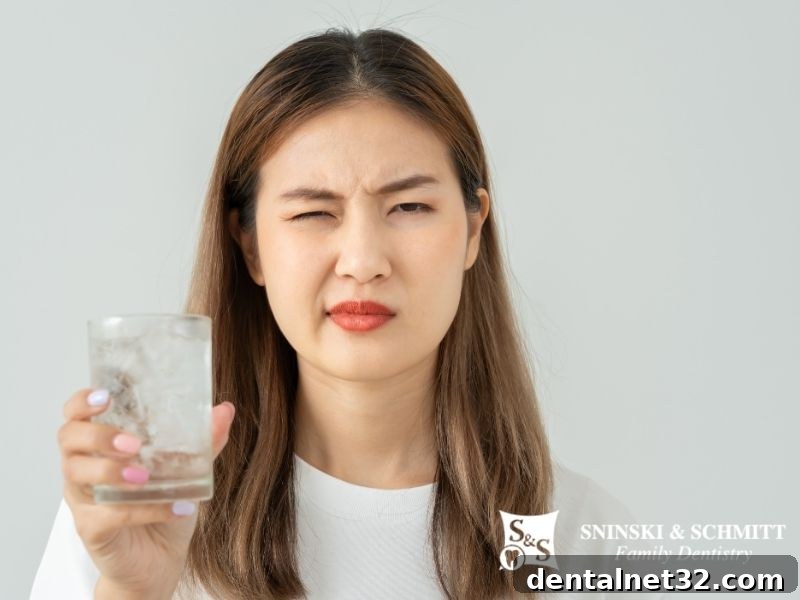
When you sip a cold drink or bite into something sweet and feel a sudden sharp sensation, you may wonder whether it’s simple tooth sensitivity or a sign of something more serious like a toothache. Both conditions cause discomfort and affect many people. Estimates for dentin hypersensitivity vary widely—some studies report it affects roughly one in eight adults, while others suggest rates up to 74%. The World Health Organization also notes that dental caries (tooth decay) remain the most common non-communicable disease worldwide, impacting people of all ages.
In general terms, a toothache refers to pain originating from the tooth or the tissues around it, typically caused by irritation of the nerve endings within the tooth root. Tooth sensitivity is often a more chronic issue that develops gradually as enamel wears away or gums recede, exposing the underlying dentin. While both produce pain, their causes, patterns, and treatments differ. At Sninski & Schmitt Family Dentistry, our team evaluates each situation to determine whether your symptoms stem from sensitivity, decay, or a more serious problem. Understanding the difference helps you decide when to monitor symptoms and when to seek dental care.
Below we outline the key signs, common causes, and typical treatments for tooth sensitivity and tooth pain so you can identify what you’re experiencing and get the right care promptly.
Tooth Sensitivity
Tooth sensitivity happens when enamel thins or gums pull back, exposing dentin—the softer, porous layer beneath enamel. Dentin contains microscopic tubules that connect to the nerve inside the tooth. When dentin encounters hot, cold, sweet, or acidic substances, these tubules transmit the stimulus to the nerve, producing a sudden, sharp pain. That pain is typically brief and ends once the trigger is gone.
Symptoms of Tooth Sensitivity
Common signs that indicate tooth sensitivity include:
- Hot or cold reaction: A quick, sharp feeling or dull ache when consuming hot soup, ice cream, or chilled beverages.
- Sweet or acidic discomfort: Tingling or pain when eating sugary treats, citrus fruits, or acidic drinks.
- Pain from cold air: A stinging feeling when breathing through the mouth on a cold day.
- Sensitivity during oral care: Pain or tenderness when brushing, flossing, or using alcohol-based mouthwash.
- Discomfort near the gum line: Tenderness or visible gum recession around certain teeth.
Causes of Tooth Sensitivity
Tooth sensitivity can arise from several factors, including:
- Aggressive brushing: Using a hard-bristled brush or scrubbing too hard can erode enamel over time.
- Teeth grinding (bruxism): Clenching and grinding wear down protective tooth surfaces.
- Acidic diet: Frequent consumption of citrus, tomatoes, sodas, or energy drinks can erode enamel.
- Gum disease: Inflammation and recession of gum tissue can expose sensitive root surfaces.
- Teeth whitening: Some bleaching treatments temporarily increase sensitivity.
- Tooth decay and cracks: Cavities or cracked teeth can expose internal layers and trigger sensitivity.
Treatments for Tooth Sensitivity
Sensitivity sometimes improves on its own or after simple dental care, but persistent symptoms should be evaluated by a dentist. Early assessment helps prevent progression to more serious problems. Treatment options commonly recommended include:
- Desensitizing toothpaste: Special formulations that help block pain transmission through dentin tubules.
- Fluoride varnish or gel: Professional fluoride applications strengthen enamel and reduce discomfort.
- Dentin sealants or bonding: Materials applied to cover exposed root surfaces and block triggers.
- Nightguards or occlusal therapy: For sensitivity caused by grinding, appliances can protect teeth from further wear.
Tooth Pain
Tooth pain typically signals that the nerve or surrounding tissues are irritated, inflamed, or infected. The quality and timing of the pain offer clues about the underlying cause. While sensitivity is usually brief and related to external triggers, tooth pain can be more severe, constant, or aggravated by biting and may indicate decay, infection, or structural damage.
Symptoms of Tooth Pain
Different patterns of tooth pain suggest different problems:
- Sharp, stabbing pain: Often felt when biting down or chewing, suggesting a cracked tooth, loose filling, exposed root, or localized decay.
- Constant, throbbing pain: A deep, persistent ache in the tooth and jaw that commonly points to an infection, inflamed pulp, or an abscess.
- Dull, persistent ache: A nagging discomfort that may indicate deeper decay reaching the nerve or ongoing wear from grinding.
- Pain and pressure with chewing: Can be caused by an abscess, periodontal disease, or an impacted or erupting wisdom tooth.
- Lingering sensitivity to hot or cold: If pain persists long after exposure to heat or cold, this often signals nerve inflammation or deeper decay requiring treatment.
Causes of Tooth Pain
Frequent causes of tooth pain include:
- Tooth decay and cavities: Bacterial acids break down enamel and can progress inward toward the pulp.
- Dental abscess: A serious bacterial infection in the tooth pulp or surrounding tissues that can produce intense throbbing pain, swelling, and systemic symptoms.
- Cracked or fractured teeth: Cracks can cause sharp pain and allow bacteria to reach inner tooth layers.
- Gum disease (periodontitis): Infection of the gums and bone can expose roots and cause persistent ache.
- Damaged dental work: Loose or broken fillings and crowns can expose sensitive tooth structure.
- Sinus pressure: Sinus infections or congestion may create referred pain felt in the upper teeth.
Treatments for Tooth Pain
Treatment depends on the cause and severity. Early intervention often allows for more conservative care, while advanced problems may require more extensive procedures. Common treatments include:
- Fluoride treatments: Used for very early decay to help remineralize enamel.
- Fillings: Removal of decay and restoration of the tooth with composite or other materials.
- Crowns: Protective caps that restore and strengthen teeth with significant decay or damage.
- Root canal therapy: Removal of infected or inflamed pulp to save the tooth and eliminate persistent pain.
- Drainage and antibiotics: For abscesses or severe infections, urgent care, drainage, and antibiotics may be needed before definitive treatment.
When to See a Dentist
If tooth sensitivity persists for more than a few days, schedule a dental exam to determine the cause and appropriate treatment. For tooth pain, seek dental care promptly rather than waiting. Immediate attention is especially important if you have severe throbbing pain, swelling of the face or jaw, fever, or difficulty breathing or swallowing—these can indicate a serious infection that requires urgent care.
Also contact your dentist if you notice:
- Visible cracks, chips, or dark spots on a tooth
- Persistent bad taste or foul odor in the mouth
- Pain that wakes you at night or interferes with daily activities
- Swelling in the jaw, face, or gums
Contact Sninski & Schmitt Family Dentistry for Tooth Sensitivity and Pain
The dental team at Sninski & Schmitt Family Dentistry can assess and treat both tooth sensitivity and tooth pain. We diagnose the root cause of your symptoms and recommend appropriate treatments to relieve discomfort and protect your oral health. Our Cary and Holly Springs offices are accepting new patients. To schedule an appointment, please call our Holly Springs office at 919-600-6262 or our Cary office at 919-467-2203.