
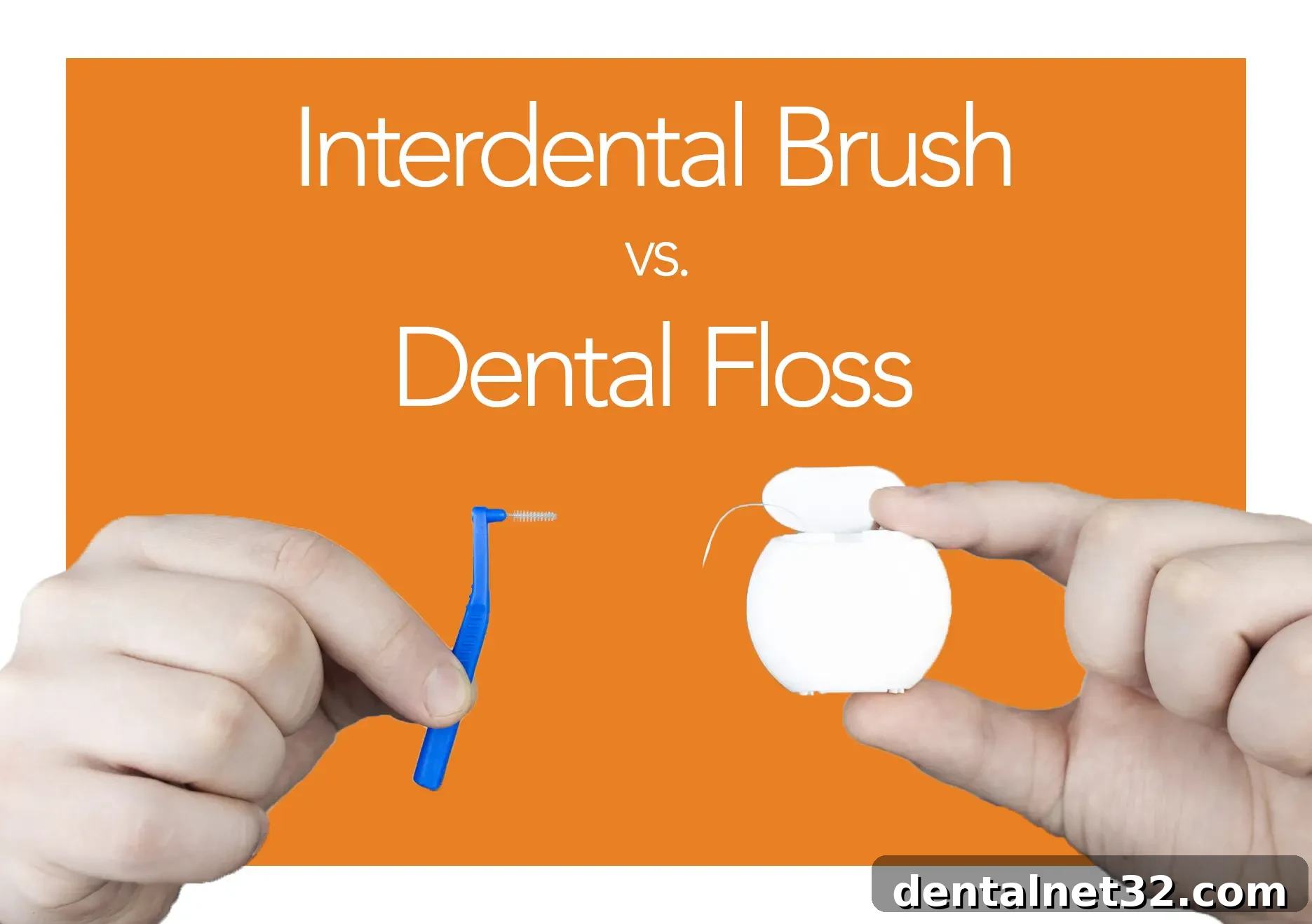
Interdental Brushes vs. Floss: The Ultimate Guide to Cleaning Between Your Teeth
For centuries, string dental floss has been the undisputed champion of interdental cleaning. It’s the tool our parents taught us to use and the one dentists have recommended for generations. However, in recent years, a powerful contender has entered the ring: the interdental brush. This innovative tool is changing how we think about cleaning the hard-to-reach spaces in our mouths. But is it truly better than traditional floss? This comprehensive guide will explore the debate, comparing the effectiveness, ease of use, and specific applications of both interdental brushes and dental floss to help you make the best choice for your oral health.
Understanding the importance of cleaning between your teeth is the first step. Your toothbrush, no matter how advanced, can only clean about 60% of your tooth surfaces. The remaining 40%—the areas between your teeth—is a prime breeding ground for plaque, a sticky film of bacteria that leads to cavities, gum disease, and bad breath. Failing to clean these spaces is like only washing the front and back of your hands but ignoring the areas between your fingers. Both floss and interdental brushes are designed to tackle this crucial 40%, but they do so in very different ways.
What Are Interdental Brushes? A Closer Look
Interdental brushes are essentially miniature toothbrushes designed specifically for the gaps between your teeth. They consist of a small, bristled head attached to a thin wire, which is mounted on an ergonomic handle. These brushes come in a variety of sizes and shapes—from small, cylindrical heads for tight spaces to larger, cone-shaped ones for wider gaps, bridges, and braces. The key to their effectiveness lies in finding the perfect size that fits snugly but comfortably in each space, allowing the bristles to actively scrub away plaque and food debris.
Scientific research supports their efficacy. A study published by the National Center for Biotechnology Information (NCBI) found that when used alongside regular toothbrushing, interdental brushes were significantly more effective at removing plaque than dental floss. The reason is simple: while floss scrapes a thin line along the tooth surface, the bristles of an interdental brush can reach into the subtle concavities and contours of each tooth, providing a more thorough, three-dimensional clean. This scrubbing action dislodges stubborn plaque that floss might glide over, promoting healthier gums and reducing the risk of gingivitis.
The Advantages of Interdental Brushes
Many users and dental professionals are shifting their preference towards interdental brushes for several compelling reasons. Let’s explore the key benefits that make them an excellent addition to any oral hygiene routine.
1. Superior Ease of Use and Handling
One of the biggest barriers to consistent flossing is the technique. Wrapping the string around your fingers, maneuvering it into tight spaces, and creating the proper “C-shape” can be challenging, especially for the back molars. Interdental brushes eliminate this complexity. Their small handles provide a firm grip, allowing for simple, one-handed operation. You simply insert the brush into the gap and move it back and forth a few times. This simplicity makes them an ideal solution for individuals with limited mobility, arthritis, or other dexterity issues.
2. Unmatched Effectiveness for Braces, Implants, and Bridges
For those with orthodontic appliances or dental restorations, traditional floss can be more of a hindrance than a help. Floss can easily snag or shred on metal wires, brackets, and the edges of crowns or bridges. Interdental brushes, however, excel in these situations. They can easily navigate around brackets and under orthodontic wires to clean areas that are nearly impossible to reach with floss. Similarly, they are highly effective for cleaning around dental implants and beneath bridges, ensuring these expensive investments remain free from plaque and inflammation.
3. Enhanced Plaque and Gingivitis Reduction
As the research suggests, the primary advantage of interdental brushes is their plaque-fighting power. The bristles actively disrupt and remove the bacterial biofilm from the tooth surfaces and just below the gumline. This comprehensive cleaning is highly effective in reducing gum inflammation (gingivitis). Many users report a noticeable decrease in gum bleeding and tenderness after switching to interdental brushes, a clear sign of improved gum health. Consistent use can help prevent gingivitis from progressing to more severe periodontal disease.
4. Higher Patient Compliance
The best oral hygiene tool is the one you will use consistently. Because many people find interdental brushes more comfortable and less cumbersome than floss, they are more likely to incorporate them into their daily routine. This increased compliance is perhaps the most significant long-term benefit. A daily habit with a “good” tool is far more effective than a sporadic one with a “perfect” tool. If the ease of an interdental brush turns a reluctant flosser into a dedicated daily cleaner, the positive impact on their oral health will be immense.
Potential Downsides and Considerations
Despite their many advantages, interdental brushes aren’t without their drawbacks. It’s important to consider these factors to determine if they are the right fit for you.
- Cost: Generally, interdental brushes are more expensive than traditional dental floss. A pack of high-quality brushes might cost more than a container of floss, and since they need to be replaced every one to two weeks, the recurring cost can be higher.
- Shorter Lifespan: Unlike a roll of floss that can last for over a month, an interdental brush wears out much like a regular toothbrush. The bristles will fray and the wire can bend with repeated use. They should be replaced when they show signs of wear, which is typically after 7-14 days of consistent use.
- Finding the Right Size: Using the wrong size is a common mistake. A brush that is too small won’t clean effectively, while one that is too large can damage your gums or teeth. You may need several different sizes for the various gaps in your mouth, which can require some initial trial and error.
- Initial Bleeding: Just like with flossing, you might experience some minor bleeding when you first start using interdental brushes. This is usually not caused by the brush itself but is a sign of existing gum inflammation. With regular, gentle use, the bleeding should subside within a week or two as your gums become healthier.
- Availability: While becoming more common, the selection of interdental brushes in local stores may be limited compared to the wide variety of dental floss available. However, they are easily found online from numerous retailers.
Making the Final Decision: Brush, Floss, or Both?
The choice between interdental brushes and floss ultimately comes down to your individual dental anatomy, personal preference, and specific health needs. Neither tool is universally superior for everyone; the best one is the one that works for you and that you will use every single day.
Here’s a quick guide to help you decide:
- Choose Interdental Brushes if: You have braces, implants, bridges, or crowns. You have larger gaps between your teeth. You struggle with the dexterity required for flossing or have conditions like arthritis. You find floss uncomfortable or difficult to use effectively.
- Stick with Dental Floss if: You have very tight contacts between all your teeth where even the smallest brush won’t fit. You are on a tight budget. You have mastered the proper flossing technique and are comfortable with your current routine.
- Consider a Hybrid Approach: You don’t have to choose just one! Many people achieve the best results by using both. You can use interdental brushes for wider spaces and around dental work, and switch to traditional floss for very tight contacts. This customized approach ensures every surface of every tooth gets the attention it needs.
Conclusion: A Commitment to Complete Oral Health
Ultimately, the debate isn’t about which tool is “the best,” but about recognizing the absolute necessity of interdental cleaning. Brushing alone is an incomplete hygiene strategy. By neglecting the 40% of tooth surfaces between your teeth, you leave yourself vulnerable to decay and gum disease. Whether you choose the time-tested reliability of dental floss, the modern efficiency of interdental brushes, or a combination of both, the most important thing is to make it a non-negotiable part of your daily ritual. A consistent and correct interdental cleaning routine is your best defense against common dental problems and the key to maintaining a healthy, beautiful smile for a lifetime. If you’re unsure where to start, speak with your dentist or dental hygienist. They can assess your specific needs, recommend the right size and type of tool, and demonstrate the proper technique to ensure you get the most out of your oral care routine.