
Protect Your Smile: The Critical Importance of Custom Mouthguards in Sports
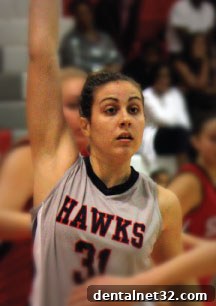
The roar of the crowd, the squeak of sneakers on the court, the final minutes ticking away—this is the thrilling environment of college basketball. For Lindsey Botts, it was just another intense game until a split-second collision changed everything. With only three minutes left on the clock, she collided with an opponent. The impact was jarring and immediate. Lindsey wasn’t wearing a mouthguard, and the force of the other player’s head striking her teeth sent both athletes to the floor in excruciating pain.
In the chaotic moments that followed, the severity of the situation became clear. Lindsey’s mouth was a mess of blood, and a quick, terrifying check revealed that three of her upper front teeth were now alarmingly loose. The perfect, straight smile she had achieved after years of dedicated orthodontic care with braces was shattered in an instant. The incident was a harsh reminder of a risk she never thought would become her reality.
“You always hear the stories, but you never think it’s going to happen to you,” Lindsey later reflected, admitting that even knowing friends who had lost teeth in sports hadn’t been enough to make her take the threat seriously. Her story is a powerful, firsthand account of a preventable injury that is all too common in the world of athletics.
The Hidden Dangers and Common Excuses
 In many states and leagues, the regulations surrounding protective gear like mouthguards can be inconsistent. For college basketball players like Lindsey, wearing one often isn’t mandatory. This lack of requirement creates a dangerous gap in player safety. Many athletes who do have the option choose to forgo it, often due to negative experiences with generic, over-the-counter mouthguards.
The common “boil-and-bite” varieties found in sporting goods stores are notorious for their poor fit and bulky design. Players complain that they are uncomfortable, make it difficult to breathe properly during intense exertion, and significantly hinder their ability to communicate with teammates on the court. Even in leagues where mouthguards are required, the unfitted, low-cost models sometimes provided by teams are just as problematic. Lindsey recalled her high school days, where a mouthguard was mandatory but rarely used correctly. “We would just tuck them into our cheeks during the game,” she admitted, a common practice that renders the device completely useless.
What Lindsey and her teammates didn’t understand was the staggering level of risk they were taking. According to comprehensive data from the American Dental Association (ADA), athletes are a shocking 60 times more likely to suffer a dental injury when they are not wearing a protective mouthguard. This isn’t a minor risk; it’s a statistical certainty waiting to happen.
Understanding the Science of Protection
How does a simple piece of plastic offer such significant protection? A well-fitting mouthguard works on a fundamental principle of physics: force distribution. When a direct blow impacts the mouth or jaw, a mouthguard absorbs the initial shock and spreads it out over a larger surface area. This dilution of impact prevents the force from concentrating on a few individual teeth, drastically reducing the risk of chips, fractures, or avulsions (knocked-out teeth).
Furthermore, the ADA suggests that a high-quality, custom-fitted mouthguard may also play a role in reducing the rate and severity of concussions. A blow to the lower jaw can send a shockwave up to the base of the skull, potentially causing a concussion. By cushioning the impact between the upper and lower jaws, a mouthguard can help absorb some of that shock, offering an additional layer of protection for the brain.
The High Cost of a Preventable Injury
Lindsey’s journey after the injury was painful, lengthy, and expensive. The initial diagnosis was severe: she required three separate root canals to save her damaged teeth. Following that, she faced a future of extensive and costly restorative dental work, including crowns to restore the structure and appearance of her smile. As devastating as this was, her dentists reminded her it could have been far worse. Had the teeth been knocked out completely, she would have been looking at a complex and invasive process of dental implants—a scenario the 20-year-old athlete found almost unthinkable.
This highlights the stark financial contrast between prevention and treatment. A custom-fitted mouthguard from a dentist might seem like a significant expense compared to a $20 boil-and-bite model. However, when you compare its one-time cost to the thousands, or even tens of thousands, of dollars required for emergency dental procedures, root canals, crowns, bridges, or implants, the investment in a custom mouthguard becomes an obvious and intelligent choice. It can easily pay for itself by preventing just one serious injury.
Not All Mouthguards Are Created Equal: Your Options
Understanding the different types of mouthguards is key to making an informed decision for your or your child’s safety.
- Stock Mouthguards: These are the least expensive and most widely available option. They come pre-formed and ready to wear. However, their fit is generic and often poor, making them bulky and uncomfortable. They offer only a minimal level of protection and can make breathing and talking very difficult.
- Boil-and-Bite Mouthguards: A step up from stock models, these are made from a thermoplastic material. You soften the guard in hot water and then bite into it to create a slightly more customized fit. While better than nothing, they can still feel bulky, lose their shape over time, and fail to provide the even, comprehensive protection of a professionally made device.
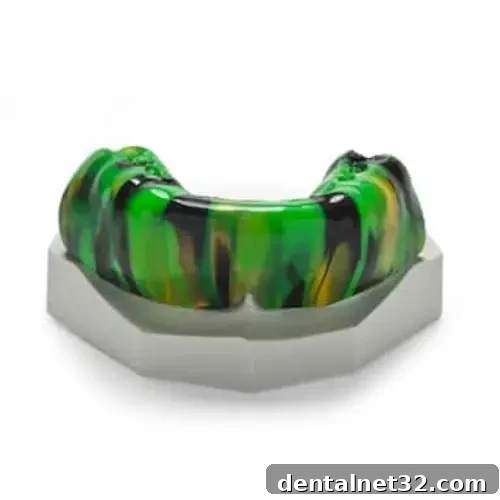
- Custom-Fitted Mouthguards: This is the gold standard recommended by dentists and the ADA. A dentist takes a precise impression of your teeth, which is then used to create a mouthguard that fits your mouth perfectly. The result is a device that is comfortable, secure, and offers the highest possible level of protection. It snaps securely into place, won’t fall out during play, and allows for clear speech and normal breathing.
From Victim to Advocate: Lindsey’s New Mission
Lindsey Botts’ experience transformed her from a carefree athlete into a passionate advocate for dental safety in sports. She now shares her story to warn others about the devastating consequences of neglecting this simple piece of protective gear. Determined to get back on the court safely, she is now being fitted for a professional-grade, custom mouthguard. She knows that the superior comfort and fit will allow her to focus on the game without distraction or discomfort, all while having the peace of mind that her smile is protected.
Her message is clear and powerful: don’t let a preventable injury dictate your future. The temporary discomfort or cost of a proper mouthguard is insignificant compared to the lifelong physical, emotional, and financial toll of a severe dental trauma. If you’re an athlete or the parent of one, don’t wait for a painful lesson like Lindsey’s. Schedule a consultation with your dentist to discuss a custom-fitted mouthguard. It is one of the most important pieces of equipment you will ever invest in. Just ask Lindsey Botts. She’ll tell you it’s a decision you will never regret.
Reviewed by: Cindy Roark, DMD