
A Comprehensive Guide to Implant-Supported Prostheses: Restoring Your Smile
Losing teeth can significantly impact your life, affecting not only your ability to eat and speak comfortably but also your self-confidence. For decades, traditional dentures and bridges were the primary solutions. However, modern dentistry offers a more advanced, stable, and durable alternative: the implant-supported prosthesis. This revolutionary approach provides a permanent and natural-feeling solution for those with missing teeth, transforming smiles and restoring full dental function.
If you’re exploring long-term options for tooth replacement, understanding how implant-supported prostheses work, their types, and their extensive benefits is the first step toward reclaiming a healthy, confident smile. This guide will walk you through everything you need to know about this life-changing dental treatment.
What Exactly is an Implant-Supported Prosthesis?
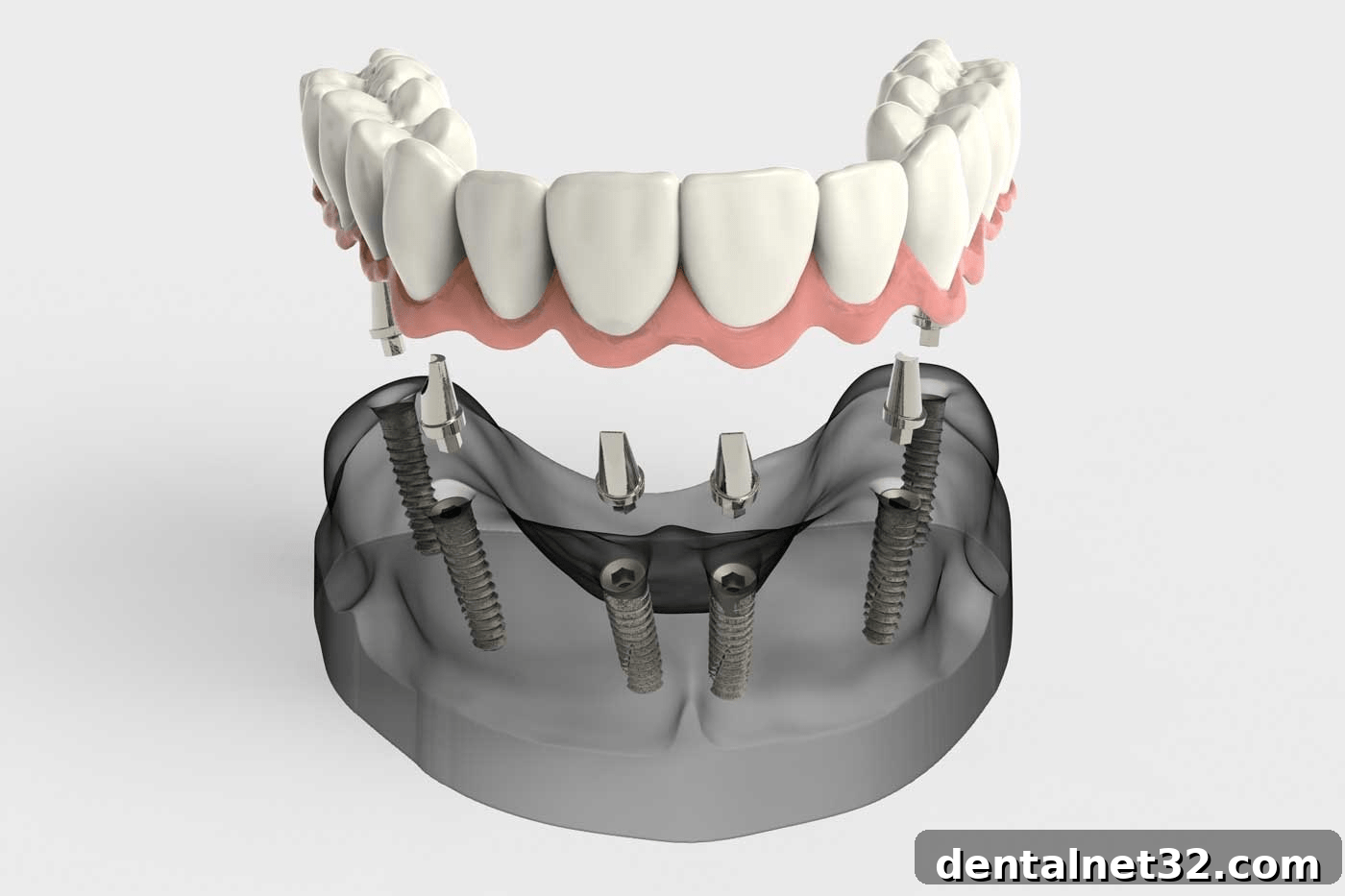
An implant-supported prosthesis is a custom-made dental appliance that replaces a full arch of missing teeth and is securely anchored to dental implants surgically placed in the jawbone. Unlike traditional dentures that rest on the gums and can be prone to slipping, this type of prosthesis is fixed to a solid foundation, offering unparalleled stability and function.
The system consists of three key components:
- The Dental Implants: These are small, screw-like posts, typically made of biocompatible titanium, that are surgically placed into the jawbone. They act as artificial tooth roots. Over a period of a few months, a process called osseointegration occurs, where the bone fuses directly with the implant, creating an incredibly strong and stable base.
- The Abutments: Once the implants have fully integrated with the bone, small connector pieces called abutments are attached to the top of the implants. These abutments protrude slightly above the gum line and serve as the attachment points for the final prosthesis.
- The Prosthesis: This is the final, visible part of the restoration—the set of beautiful, natural-looking teeth. It can be a full bridge or a denture that is custom-designed to fit your mouth and is then attached to the abutments.
This integrated system works together to mimic the function and appearance of natural teeth more closely than any other tooth replacement option available today.
Who is an Ideal Candidate for This Advanced Treatment?
While implant-supported prostheses offer incredible benefits, they are not suitable for everyone. A thorough dental examination, including X-rays and 3D imaging (CBCT scans), is necessary to determine your candidacy. Generally, an ideal candidate possesses:
- Sufficient Jawbone Density: The success of dental implants relies on having enough healthy bone to support them. If you have experienced significant bone loss, a bone grafting procedure may be necessary to build up the jawbone before implant placement.
- Good Oral and General Health: Healthy gums are crucial for supporting implants. Any signs of gum disease must be treated first. Likewise, uncontrolled chronic conditions like diabetes or autoimmune disorders can affect healing and may need to be managed before proceeding with surgery.
- Commitment to Oral Hygiene: Although prosthetic teeth cannot decay, maintaining excellent oral hygiene is vital for the health of the surrounding gums and the underlying implants. Regular brushing, flossing (with special tools), and dental check-ups are essential for long-term success.
- Non-Smoker or Willing to Quit: Smoking significantly impairs the body’s ability to heal and increases the risk of implant failure. Dentists strongly advise patients to quit smoking before and after the procedure.
Types of Implant-Supported Prostheses: Finding Your Perfect Fit
Your dentist will recommend the best type of prosthesis based on your specific needs, oral condition, lifestyle, and budget. The options are generally categorized by their materials and whether they are fixed or removable.
Fixed vs. Removable Prostheses
Fixed Prostheses (Screw-Retained): This is the most popular option for those seeking a “get it and forget it” solution. The prosthesis is permanently screwed or cemented onto the abutments and can only be removed by a dentist. It feels and functions exactly like natural teeth, offering maximum stability and confidence. Cleaning is done in the mouth, similar to how you would care for natural teeth.
Removable Prostheses (Overdentures): Also known as “snap-on dentures,” these prostheses are securely attached to the implants via special connectors (like clips, balls, or a bar) but can be removed by the patient for daily cleaning. While they are far more stable than traditional dentures, they are not permanently fixed. This option is often easier to clean and can sometimes be a more cost-effective choice.
Exploring the Advanced Materials Used
1. Metal-Acrylic Resin (Hybrid Prosthesis)
This is a time-tested and reliable option. It features a precision-milled metal framework, often made of titanium or cobalt-chromium, for superior strength and a passive fit on the implants. The teeth and pink gum-like portion are made from a high-impact acrylic resin. This construction provides excellent durability and is relatively easy to repair if a tooth chips or wears down. The use of CAD/CAM technology ensures the framework fits perfectly, reducing stress on the implants and ensuring long-term success.
2. Metal-Ceramic (Porcelain-Fused-to-Metal)
For those seeking enhanced aesthetics, a metal-ceramic prosthesis is an excellent choice. This type also uses a strong metal substructure, but the visible portion is covered with layers of hand-stacked, life-like ceramic (porcelain). The ceramic material beautifully mimics the translucency and color variations of natural tooth enamel, resulting in a highly aesthetic and natural-looking smile. The color can be precisely matched to any remaining natural teeth or customized to your desired shade. This option combines the strength of metal with the beauty of porcelain for a reliable and attractive result.
3. All-Ceramic (Monolithic Zirconia)
Representing the pinnacle of modern dental materials, the all-ceramic prosthesis, typically crafted from a solid block of zirconia, offers the ultimate in strength and aesthetics. Zirconia is an incredibly strong, biocompatible, and tooth-colored material. Since there is no metal substructure, it eliminates any risk of a dark line appearing at the gum line. Its exceptional light-reflecting properties make it virtually indistinguishable from natural teeth. This option is also highly recommended for patients with metal allergies or sensitivities. A full-arch zirconia bridge is exceptionally durable, resistant to chipping and staining, and provides a truly premium, long-lasting restoration.
The Unmatched Benefits of Choosing an Implant-Supported Prosthesis
Opting for an implant-supported prosthesis goes far beyond simply filling a gap in your smile. It offers profound, life-enhancing benefits.
#1 Restores Full Chewing Function
Because the prosthesis is anchored to your jawbone, it allows you to bite and chew with confidence. You can once again enjoy all your favorite foods, like steak, apples, and nuts, without the worry of your teeth slipping or falling out. This greatly improves your nutrition and overall quality of life.
#2 Preserves Jawbone and Facial Structure
This is perhaps the most significant long-term health benefit. When teeth are lost, the jawbone no longer receives the stimulation it needs and begins to shrink or deteriorate—a process called resorption. This bone loss can lead to a sunken, aged facial appearance. Dental implants act like natural tooth roots, stimulating the bone and preventing further bone loss, thereby preserving your facial contours.
#3 Delivers Superior Comfort and Stability
Say goodbye to the discomfort of sore spots and the inconvenience of messy adhesives associated with traditional dentures. An implant-supported prosthesis is secure and stable, eliminating the embarrassing clicking and slipping that can occur when you talk, laugh, or eat. It becomes a comfortable and integrated part of your mouth.
#4 Boosts Self-Esteem and Confidence
A secure, beautiful smile can be transformative for your self-esteem. You will no longer feel the need to hide your mouth when speaking or smiling. The confidence that comes from having a full set of functional, natural-looking teeth allows you to engage in social situations freely and feel great about your appearance.
#5 Promotes Better Oral Health and Longevity
Unlike tooth-supported bridges, an implant-supported prosthesis does not require altering or grinding down healthy adjacent teeth. It is a self-supporting structure. With proper care, dental implants can last a lifetime, making this a durable, cost-effective, and smart long-term investment in your oral health.
Your Journey to a New Smile
The process begins with a comprehensive consultation with a qualified dentist or prosthodontist. After a thorough evaluation and discussion of your goals, a personalized treatment plan will be created. If you are deemed a suitable candidate, the journey typically involves the surgical placement of the implants, a healing period for osseointegration, and finally, the fabrication and attachment of your beautiful, custom-made prosthesis.
If you are ready to explore a permanent solution for missing teeth, an implant-supported prosthesis could be the answer. We encourage you to schedule a consultation with a dental professional to learn more about your options and take the first step toward restoring your smile, your health, and your confidence.