
The Ultimate Guide to Dental Crowns: Pros, Cons, and Procedure
Have you ever wondered how dentists can save a tooth that’s badly broken, decayed, or discolored? Often, the answer is a dental crown. A cornerstone of both restorative and cosmetic dentistry, dental crowns offer a reliable and aesthetically pleasing solution to a wide range of dental issues. They act as a protective shield, restoring a tooth’s original strength, shape, and function while seamlessly blending in with your natural smile.
If you’re considering this treatment or simply want to understand your options, you’ve come to the right place. This comprehensive guide will explore everything you need to know about dental crowns, from what they are and why you might need one, to the detailed procedure and the critical pros and cons to weigh. Let’s dive into how this remarkable dental restoration can transform your oral health and confidence.
What Exactly Are Dental Crowns?
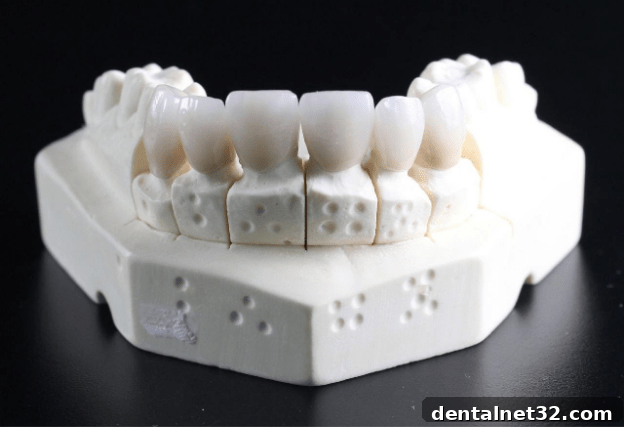
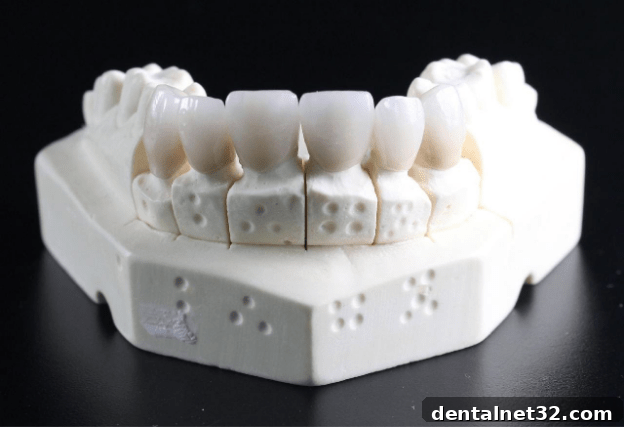
A dental crown, often referred to as a “tooth cap,” is a custom-made prosthetic that completely covers a damaged or compromised tooth. Think of it as a helmet for your tooth. Its primary purpose is to restore the tooth’s size, shape, strength, and appearance. Once cemented into place, the crown fully encases the visible portion of a tooth that lies at and above the gum line.
Unlike a filling, which only patches a small portion of a tooth, a crown provides comprehensive coverage. This is crucial when a tooth has suffered significant structural loss due to decay, trauma, or a large previous filling, and needs more substantial support to prevent it from fracturing.
The Different Types of Dental Crown Materials
Modern dentistry offers a variety of materials for crowns, each with its own set of advantages. The choice of material depends on factors like the location of the tooth, the biting forces it must withstand, aesthetic requirements, and your budget.
- Porcelain or All-Ceramic: These are the most popular choice for front teeth due to their exceptional ability to mimic the translucency and color of natural tooth enamel. They are biocompatible and offer the best aesthetic results.
- Zirconia: A type of ceramic, zirconia crowns are incredibly strong and durable, making them suitable for both front and back teeth. They combine the strength of metal with the natural look of porcelain.
- Porcelain-Fused-to-Metal (PFM): These crowns have a metal substructure for strength and a porcelain layer on top for appearance. They are very durable but can sometimes show a dark line at the gum line over time.
- All-Metal Alloys: Including materials like gold, palladium, or chromium, these crowns are extremely durable and resistant to wear. They require less tooth structure to be removed and are an excellent choice for back molars where biting forces are greatest and aesthetics are less of a concern.
- All-Resin: These are the most affordable crown option but are also the most prone to wear and fracture over time. They are often used as a temporary solution.
When is a Dental Crown Necessary?
A dentist might recommend a dental crown for several reasons, all centered around preserving the health and function of your natural tooth. Here are the most common situations where a crown is the ideal treatment:
- To Protect a Weak Tooth: If a tooth is weakened by extensive decay, a crown can hold it together and prevent it from breaking.
- To Restore a Broken Tooth: A crown can rebuild the structure of a tooth that has been severely worn down or fractured.
- After a Root Canal: A tooth becomes brittle after a root canal treatment and is prone to fracture. A crown provides the necessary protection and support.
- To Support a Large Filling: When a cavity is so large that there isn’t enough natural tooth structure left to support a filling, a crown is used to cover and strengthen the tooth.
- To Anchor a Dental Bridge: Crowns are placed on the teeth on either side of a gap to hold a dental bridge firmly in place.
- To Cover a Dental Implant: A crown is the final, visible part of a dental implant, serving as the replacement tooth.
- For Cosmetic Enhancement: Crowns can be used to cover severely discolored or misshapen teeth, dramatically improving the appearance of your smile.
The Advantages of Getting Dental Crowns
Dental crowns are a highly successful and widely used dental restoration for good reason. They offer a multitude of benefits that contribute to both oral health and overall well-being.
Restored Strength and Protection
The most significant advantage of a dental crown is its ability to restore strength to a damaged tooth. By covering the entire tooth, it absorbs and distributes biting forces evenly, protecting the fragile structure underneath from further cracking or decay. This allows you to chew with confidence without fear of causing more damage.
Enhanced Aesthetic Appearance
For those conscious of their smile, crowns offer a fantastic cosmetic solution. Whether you have a chipped, cracked, or permanently stained tooth, a custom-made porcelain or zirconia crown can be matched perfectly to the shade and shape of your surrounding teeth. The result is a seamless, natural-looking restoration that can boost your confidence.
Improved Oral Functionality
A severely damaged or misshapen tooth can interfere with your bite and ability to chew properly. A crown restores the tooth’s original form, ensuring it meets correctly with the opposing tooth. This not only improves chewing efficiency but also helps maintain the proper alignment of your jaw, preventing potential TMJ issues.
Durability and Longevity
With proper care and good oral hygiene, dental crowns are a long-lasting solution. Depending on the material and the patient’s habits, a crown can last anywhere from 5 to 15 years, and often much longer. This makes them a durable and reliable long-term investment in your oral health.
The Disadvantages and Potential Risks of Dental Crowns
While the benefits are substantial, it’s equally important to be aware of the potential downsides and risks associated with dental crowns before making a decision.
The Irreversible Preparation Process
To make room for the crown, a dentist must permanently alter your natural tooth by filing down a layer of its enamel. This process is irreversible. Once a tooth is prepared for a crown, it will always need to be covered by a crown or another restoration to protect it. This is a significant commitment to consider.
Potential for Sensitivity
It’s common to experience some temporary sensitivity to hot and cold temperatures after a crown procedure. This usually subsides after a few days or weeks. However, if the sensitivity is severe or persists, it could indicate that the crown is too high on the tooth, affecting your bite, and you should consult your dentist.
Risk of Chipping or Breakage
Although strong, materials like porcelain can sometimes chip or crack under excessive pressure, such as from grinding your teeth or biting down on something very hard. Small chips can often be repaired with composite resin while the crown is still in your mouth. However, a significant break may require a full crown replacement.
Future Replacement Needs
Dental crowns are not permanent. Over time, the cement holding the crown can wash away, or decay can form along the gum line where the crown meets the tooth. This means that even the best-made crown will eventually need to be replaced to maintain the health of the underlying tooth.
Conclusion: A Reliable Solution for a Healthier Smile
Dental crowns are an incredibly versatile and effective tool in modern dentistry. They provide a powerful solution for strengthening damaged teeth, restoring function, and dramatically improving the aesthetics of a smile. While the procedure involves a permanent alteration to the natural tooth and comes with potential risks like sensitivity and future replacement needs, the benefits often far outweigh the drawbacks.
By offering protection, durability, and a natural appearance, crowns can save teeth that might otherwise be lost. If you are struggling with a broken, decayed, or cosmetically flawed tooth, consulting with your dentist is the best next step. They can perform a thorough examination and help you determine if a dental crown is the right solution to restore your smile and your confidence for years to come.