

Blood Blister in Mouth: Causes, Treatment, and When to See a Dentist
Discovering a dark, blood-filled blister inside your mouth can be an unnerving experience, sparking immediate concern and a host of questions. Is it serious? What caused it? How do I get rid of it? This comprehensive guide aims to demystify the blood blister in your mouth, providing clear, easy-to-understand information. While they may look alarming, these oral blisters are typically harmless and often resolve on their own. However, understanding their causes, proper treatment, and when to seek professional advice is crucial for your peace of mind and oral health.
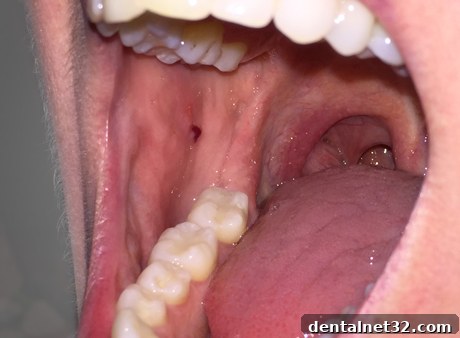
What Exactly Is a Blood Blister in the Mouth?
A blood blister, medically known as a bulla, is a fluid-filled sac that forms under the top layer of skin. Unlike a standard friction blister filled with clear serum, a blood blister contains blood and other fluids. This occurs when blood vessels just beneath the skin’s surface are damaged, but the skin itself is not broken. The blood leaks from the ruptured vessels and gets trapped, creating a dark red or purplish pocket. In the mouth, these blisters form on the soft tissues—such as the inner cheek, tongue, soft palate, or lips—where the mucosal lining is delicate and rich with blood vessels.
Common Causes of Oral Blood Blisters
A blood blister can appear in your mouth for various reasons, ranging from simple accidents to underlying health conditions. Identifying the cause can help in preventing future occurrences.
1. Oral Trauma and Accidental Injury
The most frequent cause of a blood blister in the mouth is direct physical trauma. The delicate tissues inside your mouth are susceptible to injury from everyday activities. This includes:
- Accidental Biting: Inadvertently biting your cheek, tongue, or lip while eating, talking, or sleeping is a primary culprit.
- Scalding from Hot Foods: Eating or drinking something that is too hot can burn the sensitive mucosal lining, damaging blood vessels.
- Irritation from Dental Appliances: Poorly fitting dentures, braces, or retainers can rub against the soft tissues, causing chronic irritation that leads to a blister.
- Sharp or Hard Foods: Foods with sharp edges, like chips or hard candy, can easily puncture or scrape the inside of your mouth.
2. Dietary Factors and Allergic Reactions
What you eat can also play a role in the formation of oral blood blisters. Certain foods may trigger a reaction or weaken the oral tissues, making them more prone to injury. Allergic reactions to specific foods can cause inflammation and the sudden appearance of blisters. Foods that are highly acidic, such as citrus fruits, tomatoes, and some processed snacks, can irritate the mouth’s lining and contribute to the problem for some individuals.
3. Underlying Medical and Health Conditions
While less common, recurring or spontaneous blood blisters can sometimes be a symptom of a systemic issue. These conditions may affect your body’s ability to clot blood or maintain the integrity of its blood vessels. Potential underlying causes include:
- Vitamin Deficiencies: A lack of essential vitamins, particularly Vitamin C and B12, can weaken blood vessels and impair healing, making you more susceptible to bruising and blisters.
- Thrombocytopenia: This is a condition characterized by a low platelet count. Platelets are crucial for blood clotting, and a deficiency can lead to easy bruising and bleeding, including the formation of blood blisters.
- Oral Herpes: The herpes simplex virus (HSV-1) can cause sores and blisters in and around the mouth. While typically presenting as cold sores, it can sometimes manifest as blood-filled blisters.
- Alcohol Misuse: Excessive alcohol consumption can affect liver function and platelet levels, contributing to bleeding disorders.
- High Levels of Stress: While the link is not fully understood, chronic stress can impact the immune system and may be a contributing factor for some individuals who experience recurring oral blisters.
Angina Bullosa Haemorrhagica (ABH): A Rare but Benign Condition
In some cases, blood blisters appear suddenly in the mouth without any obvious cause or injury. This phenomenon may be attributed to a rare condition called Angina Bullosa Haemorrhagica (ABH). ABH is characterized by the rapid and often spontaneous formation of one or more blood blisters, typically on the soft palate. These blisters can be alarming as they appear quickly and can sometimes be large, but they are considered benign. They usually rupture within a day, releasing the blood, and the resulting sore heals within a week or so without scarring. The exact cause of ABH remains unknown, though it is more commonly seen in older adults. A 2013 study in the Indian Journal of Dermatology noted an association with patients undergoing dialysis, but further research is needed to understand the connection.
How to Safely Treat a Blood Blister in Your Mouth at Home
Upon discovering a blood blister, your first instinct might be to pop it. However, this is the most important thing to avoid. The intact layer of skin serves as a natural, sterile barrier against bacteria. Breaking it open significantly increases the risk of infection and can prolong the healing process.
Safe Home Care and Relief Strategies
While there is no magic cure to make a blood blister disappear instantly, you can take steps to manage discomfort and promote natural healing:
- Apply a Cold Compress: Gently place a small ice pack or a piece of ice wrapped in a cloth against the outside of your cheek, over the blistered area. The cold helps constrict the blood vessels, reducing swelling, inflammation, and pain.
- Use Over-the-Counter Pain Relievers: If the blister is painful, medications like ibuprofen or acetaminophen can help manage the discomfort. Follow the package directions for proper dosage.
- Avoid Irritating Foods: Steer clear of foods that are spicy, salty, or acidic, as they can sting the sensitive area and delay healing. Opt for soft, cool foods like yogurt, smoothies, or mashed potatoes until the area feels better.
- Practice Gentle Oral Hygiene: Continue to brush and floss your teeth, but be extra careful around the blister to avoid accidentally rupturing it. A gentle, alcohol-free mouthwash can help keep the area clean.
Most blood blisters will heal on their own within a week to ten days. The body will gradually reabsorb the trapped fluid, or the blister may rupture on its own. If it does break, rinse your mouth with a warm saltwater solution (half a teaspoon of salt in a cup of warm water) to keep the area clean and prevent infection.
When Should You See a Dentist for a Blood Blister?
While most oral blood blisters are not a cause for alarm, there are certain situations where a professional evaluation is necessary. It’s important to schedule an appointment with your dentist if you experience any of the following:
- The blister is exceptionally large and interferes with eating or speaking.
- The blister is extremely painful and not manageable with over-the-counter medication.
- The blister does not show signs of healing after a week or persists for several weeks.
- You experience recurring blood blisters without any clear cause.
- The blister shows signs of infection, such as pus, severe swelling, or radiating pain.
A dentist will examine the area to determine the cause and rule out any more serious underlying conditions. A thorough examination ensures you receive the correct diagnosis and guidance for care. If you are concerned about a persistent or painful blood blister, don’t hesitate to seek professional help. For a consultation, you can call us at (877) 880-1212 to find a dental office near you and ensure your oral health is in good hands.
Conclusion: A Proactive Approach to Oral Health
Finding a blood blister in your mouth can be unsettling, but it is rarely a sign of a serious health problem. In most cases, it is the result of a minor injury and will heal naturally with a little time and care. By understanding the common causes, practicing safe home treatment, and knowing when to consult a professional, you can navigate this common issue with confidence. Remember to be gentle with the area, avoid the temptation to pop the blister, and maintain good oral hygiene to support a swift and uncomplicated recovery.
Florida Fluoride Ban: Why It Matters
May 6, 2026
One year ago (May 6th, 2025), Florida Governor Ron DeSantis announced his intent to sign Senate Bill 700 into law…
Protecting Your Whole Mouth from Periodontal Disease
April 2, 2026
Your mouth is a living ecosystem. Every day your teeth and gums coexist with millions of bacteria, most of which are harmless…
The Unlimited Benefits of Dental Savings Plans
January 16, 2026
Managing the costs of dental care can be challenging. Navigating what dental insurance does or doesn’t cover, deductibles, maximums…