
Are You a Good Candidate for Dental Veneers? A Comprehensive Guide
A radiant, confident smile can transform your appearance and boost your self-esteem. For many people seeking to correct cosmetic dental imperfections, dental veneers offer a powerful and popular solution. From stubborn discoloration and gaps between teeth to chipped, broken, or worn-down enamel, veneers provide a durable and beautiful fix. As cosmetic dentistry continues to advance, veneers have become a go-to procedure for achieving a flawless smile. If you’re exploring your options, you’re likely asking the critical question: “Am I a good candidate for dental veneers?”
Understanding the criteria for veneer candidacy is the first step toward making an informed decision about your smile. This guide will explore everything you need to know about dental veneers, who they are best suited for, and what factors determine if this transformative cosmetic treatment is the right choice for you. While this article provides a detailed overview, the best course of action is always to consult with an experienced cosmetic dentist who can assess your unique dental health and aesthetic goals.
Understanding Dental Veneers: The Secret to a Flawless Smile
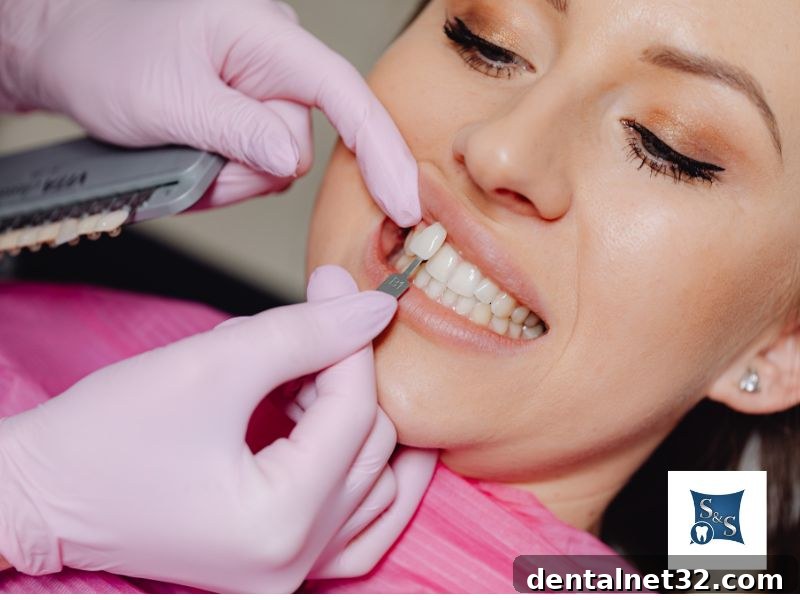
Before determining your candidacy, it’s essential to understand what dental veneers are and how they work. Veneers are ultra-thin, custom-made shells designed to cover the front surface of your teeth. Crafted from either porcelain or composite resin, these shells are bonded to your natural teeth, instantly improving their appearance. They are meticulously designed to match the color, size, and shape of your surrounding teeth, creating a seamless and natural-looking result.
Veneers are a versatile cosmetic solution capable of addressing a wide range of dental concerns simultaneously, including:
- Severe Stains or Discoloration: They can mask deep intrinsic stains that do not respond to professional teeth whitening, such as those caused by medications, trauma, or old fillings.
- Chipped, Broken, or Worn Teeth: Veneers restore the original shape and integrity of damaged teeth, providing a protective layer against further wear.
- Gaps Between Teeth (Diastema): They can effectively close small to moderate gaps, creating a more uniform and even smile without the need for orthodontics.
- Minor Misalignment: For slightly crooked or rotated teeth, veneers can create the appearance of a perfectly straight smile, often referred to as “instant orthodontics.”
- Irregularly Sized or Shaped Teeth: Veneers can correct teeth that are too small, pointed, or have an otherwise undesirable shape, bringing harmony to your smile.
Beyond their aesthetic benefits, veneers also offer a layer of protection to damaged teeth, potentially preventing the need for more invasive procedures down the road. By covering the front surface, they can also reduce the risk of decay in the treated teeth when properly maintained.
The Ideal Candidate Profile: Do You Qualify for Veneers?
While veneers are an excellent option for many, they are not a one-size-fits-all solution. The success and longevity of dental veneers depend heavily on the patient’s oral health and habits. An ideal candidate is someone who has a solid foundation of dental wellness and is looking to correct cosmetic, rather than structural, issues. Here are the key criteria that dentists look for when determining if a patient is a good fit for veneers.
Excellent Oral Health
The most important prerequisite for getting dental veneers is having healthy teeth and gums. Any underlying issues must be addressed before proceeding with a cosmetic treatment. This means you should be free of:
- Gum Disease: Active gingivitis or periodontitis must be treated and under control. Inflamed or receding gums can affect the placement and final look of the veneers.
- Untreated Cavities: Placing a veneer over a tooth with decay will trap the bacteria, allowing the cavity to worsen and potentially lead to more significant problems, like the need for a root canal.
Sufficient Tooth Enamel
The veneer procedure is minimally invasive, but it does require the removal of a very thin layer of tooth enamel (typically about 0.5 millimeters). This step is crucial for two reasons: it makes space for the veneer to sit flush with your other teeth, and it creates a suitable surface for the bonding agent to adhere to. Therefore, a candidate must have an adequate amount of healthy enamel. Patients with severely worn or thin enamel may not be suitable, as the veneer would not have a strong foundation to bond to. In such cases, a dental crown, which covers the entire tooth, may be a better alternative.
Commitment to Great Oral Hygiene
Dental veneers are highly durable, but they require the same diligent care as your natural teeth. To be a good candidate, you must be committed to a consistent oral hygiene routine. This includes:
- Brushing at least twice a day with a non-abrasive toothpaste.
- Flossing daily to clean between the teeth and around the margins of the veneers.
- Attending regular dental check-ups and cleanings every six months.
Proper care prevents decay from forming around the edges of the veneers and keeps your gums healthy, ensuring your beautiful smile lasts for years to come.
Absence of Damaging Habits
Certain habits can put excessive stress on your veneers, leading to chips, cracks, or complete debonding. Ideal candidates do not engage in activities such as:
- Bruxism (Teeth Grinding or Clenching): The immense pressure from grinding can easily damage porcelain veneers. If you have a history of bruxism, your dentist may recommend a custom nightguard to protect your investment. However, severe cases may disqualify you as a candidate.
- Using Teeth as Tools: Avoid opening packages, chewing on pens, biting your nails, or crunching on hard objects like ice or hard candy. These habits can compromise both your natural teeth and your new veneers.
Beyond the Basics: Other Factors to Consider
Even if you meet the primary health criteria, there are other practical considerations to discuss with your dentist before committing to veneers.
Previous Dental Work
Existing dental restorations can impact your eligibility for veneers. For example:
- Fillings: Small dental fillings are generally not an issue. However, if a tooth has a very large filling, especially on the front surface, it may lack the structural integrity to support a veneer, making a crown a more suitable option.
- Crowns and Implants: It is not recommended to place a veneer over an existing dental crown or implant crown. The bond would be unreliable. Instead, your dentist can create a new, perfectly matched crown to complement the veneers on your other teeth.
Financial Investment
Because dental veneers are typically considered an elective cosmetic procedure, they are rarely covered by dental insurance. This means you will likely need to cover the cost out-of-pocket. It is important to view veneers as a long-term investment in your smile and confidence. The price can vary based on the material used (porcelain is generally more expensive than composite), the number of veneers needed, and your geographic location.
Exploring Excellent Alternatives to Dental Veneers
If you discover that you are not an ideal candidate for veneers, don’t be discouraged. Modern dentistry offers several fantastic alternatives that can help you achieve your smile goals.
- Professional Teeth Whitening: For issues related solely to staining and discoloration, professional whitening is a less invasive and more affordable option. While the results are not as long-lasting as veneers, it can significantly brighten your smile.
- Orthodontic Treatment: For moderate to severe crookedness, crowding, or bite issues, treatments like traditional braces or Invisalign are the most appropriate solution. Orthodontics addresses the root cause of the misalignment rather than just masking it.
- Dental Bonding: For minor chips, cracks, or small gaps, dental bonding is a quick and cost-effective alternative. In this one-visit procedure, a tooth-colored composite resin is applied and sculpted directly onto the tooth. While not as durable or stain-resistant as porcelain veneers, bonding can produce beautiful results that last for several years.
- Dental Crowns: When a tooth is severely damaged, decayed, or has insufficient enamel, a dental crown is the preferred solution. A crown encases the entire tooth, providing superior strength, protection, and structural support.
Ready to Transform Your Smile? Let’s Talk
Dental veneers can be a life-changing procedure, offering a durable and stunning solution for a wide array of cosmetic dental concerns. Determining if you are a good candidate involves a careful evaluation of your oral health, cosmetic goals, and lifestyle habits. The best way to know for sure if veneers are right for you is to schedule a consultation with a skilled cosmetic dentist.
If you are considering options to enhance your smile and are wondering if you are a good candidate for veneers, we invite you to contact our professional dental team today. We will gladly discuss your aesthetic goals and provide a personalized recommendation based on your unique situation. Take the first step toward the smile you’ve always dreamed of by scheduling an appointment with us.