

Your Complete Guide to a Dental-Friendly Diet: Foods for Strong Teeth and Healthy Gums
A radiant smile is more than just an aesthetic asset; it’s a window into your overall health. While diligent brushing and flossing are cornerstones of oral hygiene, the foods you consume play an equally crucial role. Think of your diet as the building block for your dental wellness. Just as specific nutrients fortify your bones, a well-chosen diet can create a resilient foundation for strong teeth and healthy gums, potentially saving you from frequent, uncomfortable trips to the dentist. Conversely, a diet high in certain foods can undermine even the best oral care habits.
The connection is simple: harmful bacteria in your mouth thrive on sugars and starches. When you consume these foods, these bacteria produce acids that attack your tooth enamel, initiating a cycle of decay that can lead to cavities, gum inflammation (gingivitis), and more severe periodontal disease. This guide will explore the nutritional heroes that protect your smile and identify the dietary villains that threaten it, empowering you to make choices that promote lifelong oral health.
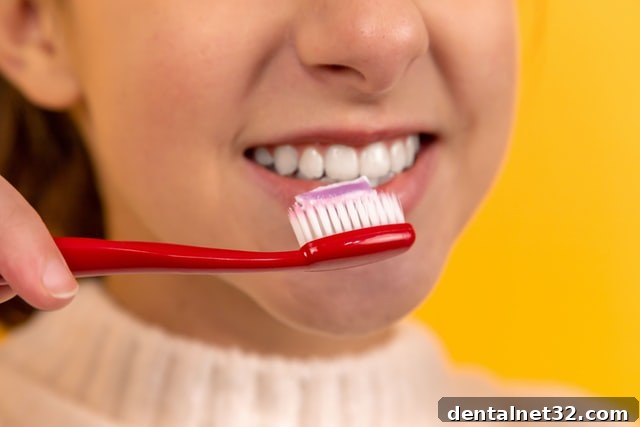
Understanding the impact of your diet is the first step toward proactive dental care. While your daily brushing and flossing routine is non-negotiable, what you eat can either support or sabotage those efforts. Certain foods provide the essential vitamins and minerals needed to remineralize tooth enamel and maintain healthy gum tissue, while others fuel the very bacteria that cause decay. Let’s delve into the best foods to incorporate into your diet for optimal teeth and gum health and which ones to approach with caution.
At Sninski & Schmitt Family Dentistry, we believe in a holistic approach to dental care. Our Holly Springs and Cary dentists are dedicated to educating patients on how simple dietary improvements can significantly enhance oral health. We can help you identify areas for change in your diet, ensuring your nutritional habits are aligned with your goal of achieving and maintaining a strong, healthy, and beautiful smile for years to come.
Fueling Your Smile: The Best Foods for Teeth and Gums
To build a fortress against decay, your diet needs to be rich in specific nutrients that work synergistically to protect your teeth and gums. The power trio for dental health includes calcium, phosphorus, and Vitamin D. These minerals and vitamins are fundamental for developing and maintaining strong tooth enamel and a solid jawbone.
Calcium is the primary mineral that constitutes your teeth and jawbone. It’s essential for maintaining bone density, ensuring your teeth have a strong anchor. A daily intake of 1,000 to 2,000 mg is recommended for most adults. When your body is deficient in calcium, it compensates by leaching it from your bones and teeth, increasing your risk for tooth loss and gum disease. In fact, studies suggest that individuals consuming less than 500 mg of calcium daily are at a significantly higher risk of developing periodontal problems.
Phosphorus works hand-in-hand with calcium. Your body needs adequate phosphorus to effectively absorb and utilize calcium for building strong bones and remineralizing tooth enamel. Vitamin D acts as the crucial regulator, managing the body’s balance of calcium and phosphorus and ensuring these minerals are deposited where they are needed most. Furthermore, Vitamin D possesses powerful anti-inflammatory properties that can help reduce gum inflammation associated with gingivitis and periodontitis.
Calcium-Rich Champions
To fortify your enamel and jawbone, focus on these calcium powerhouses:
- Low-fat milk, cheese, and yogurt
- Fortified tofu and soy milk
- Canned salmon and sardines (with bones)
- Almonds
- Dark green leafy vegetables like spinach and kale
Phosphorus Providers
Find this essential mineral in a variety of protein-rich sources:
- Fish, lean meat, and poultry
- Eggs
- Dairy products
- Nuts and pumpkin seeds
- Beans and lentils
Vitamin D Sources
Help your body absorb calcium with these Vitamin D-rich foods:
- Fatty fish like salmon, mackerel, and tuna
- Egg yolks
- Cod liver oil
- Fortified milk and cereals
Gum Guardians: Vitamin C
Healthy gums are vital. Vitamin C is essential for producing collagen, the connective tissue that holds your gums firmly against your teeth. A deficiency can lead to bleeding and inflamed gums. Boost your intake with:
- Citrus fruits like oranges and kiwi
- Strawberries and bell peppers
- Broccoli and kale
- Potatoes
Antioxidant All-Stars
Antioxidants combat inflammation and help protect gums from bacterial infection. Load up on these foods:
- Berries, grapes, and raisins
- Apples
- Nuts and beans
Probiotic Protectors
Probiotics introduce beneficial bacteria to your oral microbiome, which can help inhibit the growth of plaque-forming bacteria. Include these in your diet:
- Yogurt with live cultures
- Kefir and Kombucha
- Sauerkraut, miso, and other fermented foods
Nature’s Toothbrushes: Crunchy Fruits and Vegetables
Fibrous fruits and vegetables are fantastic for your teeth. The mechanical action of chewing crunchy foods like apples, carrots, and celery helps to scrub plaque from tooth surfaces and stimulate saliva flow. Saliva is your mouth’s natural defense mechanism, washing away food debris and neutralizing harmful acids.

- Apples and Pears: High in water and fiber, they scrub your teeth clean.
- Carrots and Celery: Their crunchy texture massages gums and promotes saliva.
- Leafy Greens: Packed with calcium and folic acid for gum health.
- Broccoli and Shiitake Mushrooms: Contain compounds that fight cavity-causing bacteria.
- Onions and Garlic: Possess powerful antimicrobial properties when eaten raw.
The Power of Dairy and Nuts
Dairy products like cheese, milk, and plain yogurt are exceptional for oral health. They are naturally low in sugar and packed with calcium and phosphorus. Additionally, cheese contains a protein called casein, which forms a protective film on the enamel, helping to prevent demineralization. Nuts are another fantastic choice, offering a wealth of nutrients. Almonds are high in calcium, while walnuts are loaded with fiber, iron, magnesium, and a range of B vitamins that support overall oral wellness.
Understanding the Cycle of Decay
The process of tooth decay is a chemical reaction that begins the moment you consume certain foods. Your mouth is home to a complex ecosystem of bacteria. When you eat foods containing sugars and starches, specific harmful bacteria feed on these carbohydrates and produce acids as a byproduct. These acids attack the mineral structure of your tooth enamel, a process called demineralization. Frequent snacking or sipping on sugary drinks creates a constant acidic environment, overwhelming your saliva’s ability to neutralize the acid and remineralize the enamel. Over time, this relentless acid attack creates a weak spot, which eventually becomes a cavity. This bacterial buildup also forms a sticky film called plaque, which, if not removed, hardens into tartar and irritates the gums, leading to inflammation and gum disease.
Smile Saboteurs: The Worst Foods for Your Teeth
Just as some foods build up your dental defenses, others actively work to tear them down. Limiting your intake of these items is crucial for preventing decay.
Starchy and Refined Carbohydrates
Foods like soft white bread, potato chips, crackers, and french fries may not seem sweet, but they break down into simple sugars right in your mouth. Their soft, sticky texture allows them to become easily trapped in the crevices of your molars and between teeth, providing a prolonged feast for acid-producing bacteria. If you indulge, be sure to floss and brush soon after to remove trapped particles.
Sugary and Carbonated Drinks
Sugar is the primary fuel for cavity-causing bacteria. Soft drinks, sports drinks, sweetened teas, and fruit juices are often loaded with it. But the danger is twofold: most of these beverages also contain phosphoric and citric acids, which directly erode tooth enamel even without the help of bacteria. This combination of high sugar and high acidity makes these drinks one of the biggest threats to dental health, especially for children and teens.
Sticky Candies and Sweets
The longer sugar stays in contact with your teeth, the more damage it can do. Sticky candies like caramels, taffy, and lollipops adhere to tooth surfaces, creating a sustained acid attack that is difficult for saliva to wash away. If you need a sweet treat, chocolate is a relatively better option as it dissolves more quickly. Regardless, it’s always wise to rinse your mouth with water after eating any sweets and brush about 30 minutes later.
Partner with Sninski & Schmitt Family Dentistry for a Healthier Smile
Achieving and maintaining strong teeth and healthy gums is a team effort. For a dedicated dental partner who can guide you on your journey to optimal oral health, contact Sninski & Schmitt Family Dentistry. Our teams in Cary and Holly Springs are committed to providing comprehensive care and personalized advice. We accept a wide range of insurance plans and are always welcoming new patients. Reach us at our Holly Springs dentist office at 919-600-6262 or our Cary dentist office at 919-467-2203. You can also fill out our convenient contact form to schedule an appointment today.