
Understanding Dry Socket: A Comprehensive Guide to Healing After Tooth Extraction
Having a tooth removed is a common dental procedure that most people navigate with minimal discomfort. While the thought of extraction can be daunting, the recovery is typically straightforward. However, a small percentage of patients experience a painful complication known as alveolar osteitis, more commonly called a dry socket. This condition can turn a routine recovery into an intensely painful ordeal. Understanding what a dry socket is, recognizing its symptoms, knowing the risk factors, and learning how to prevent it are crucial for a smooth and comfortable healing process.
This comprehensive guide will walk you through everything you need to know about dry socket, from its underlying causes to effective treatment options, ensuring you are well-prepared for your post-extraction recovery.
What Exactly is a Dry Socket (Alveolar Osteitis)?
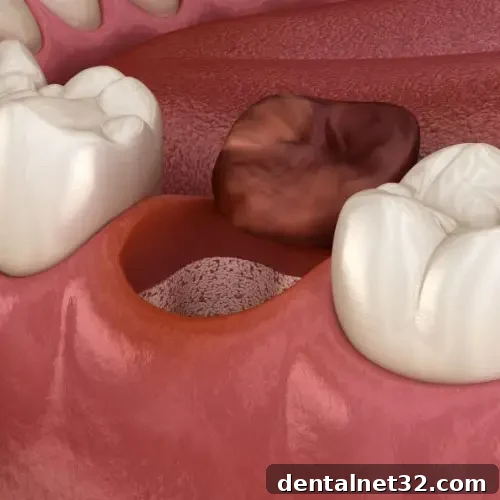
To understand a dry socket, it’s important to first understand the body’s natural healing process after a tooth is extracted. When a tooth is pulled, it leaves an empty socket in your jawbone. Almost immediately, your body forms a blood clot in this socket. This blood clot is not just a simple plug; it serves as a vital protective layer. Think of it as a natural bandage that covers the underlying jawbone and sensitive nerve endings.
This clot creates the foundation for healing, allowing new bone and soft tissue to grow over it. A dry socket occurs when this crucial blood clot is dislodged, dissolves prematurely, or fails to form in the first place. Without this protective barrier, the bone and nerves are left exposed to air, food particles, fluids, and bacteria in the mouth. This exposure leads to intense, throbbing pain, inflammation, and a delayed healing process.
A dry socket typically develops within three to five days following the extraction and is the most common complication associated with tooth removal, particularly the extraction of lower wisdom teeth.
The Telltale Signs: Recognizing Dry Socket Symptoms
The pain following a tooth extraction should gradually decrease with each passing day. If you notice your pain suddenly worsening a few days after the procedure, it could be a sign of a dry socket. The symptoms are distinct and often hard to ignore:
- Severe, Throbbing Pain: This is the hallmark symptom. The pain is not a mild ache but an intense, persistent throbbing that often radiates from the socket to your ear, eye, temple, or neck on the same side of your face. Standard over-the-counter pain relievers may provide little to no relief.
- Visible Empty Socket: Upon looking into the extraction site (with a light and mirror), you might see an empty-looking, “dry” socket. Instead of a dark red blood clot, you may see the whitish color of the exposed jawbone.
- Foul Odor and Bad Taste: An unpleasant taste in your mouth or a noticeable bad breath (halitosis) can develop. This is caused by the accumulation of food debris and bacteria in the unprotected socket, leading to a localized infection or inflammation.
- Slight Fever and Swollen Glands: In some cases, the body’s inflammatory response can cause a low-grade fever or swollen lymph nodes around your jaw or neck.
If you experience any of these symptoms, it is crucial to contact your dentist or oral surgeon immediately for proper diagnosis and treatment.
Who is at Risk? Key Factors for Developing Dry Socket
While anyone can develop a dry socket, certain factors significantly increase your risk. Being aware of these can help you take extra precautions.
Smoking and Tobacco Use
Smokers are at a much higher risk for developing a dry socket. Nicotine constricts blood vessels, which reduces blood supply and oxygen to the healing socket, impairing the healing process. Furthermore, the physical act of inhaling or sucking on a cigarette creates negative pressure (suction) in the mouth, which can easily dislodge the fragile blood clot.
Oral Contraceptives
Hormones play a role in the body’s ability to heal. The high estrogen levels in many birth control pills can interfere with blood clotting mechanisms, potentially leading to the premature dissolution of the clot. It is often recommended to schedule extractions during a time in the menstrual cycle when estrogen levels are lower (typically days 23-28).
Poor Oral Hygiene
Pre-existing infections or a high bacterial load in the mouth can contaminate the extraction site and prevent proper healing. Conditions like gum disease (periodontitis) can increase the risk of complications like dry socket.
The Nature of the Extraction
Difficult or traumatic extractions, such as those involving impacted wisdom teeth, can cause more tissue and bone trauma. This increased inflammation can make it harder for a stable blood clot to form and remain in place.
Personal History
If you have experienced a dry socket in the past, you are statistically more likely to develop one again in the future. Be sure to inform your dentist of your history so they can take additional preventative measures.
Prevention is Key: How to Avoid Dry Socket
The best way to deal with a dry socket is to prevent it from ever happening. Following your dentist’s post-operative instructions meticulously is your best defense. Here are the essential steps to protect your healing socket:
Immediately After Your Tooth Extraction (First 24-48 Hours)
- Protect the Clot: Avoid any activity that could dislodge the clot. This means no vigorous rinsing, no forceful spitting, and absolutely no using straws. The suction created by a straw is a primary cause of dry socket.
- Eat Soft Foods: Stick to a diet of soft foods like yogurt, mashed potatoes, smoothies (eaten with a spoon), and soup. Avoid hard, crunchy, or chewy foods that could get stuck in the socket. Also, avoid hot liquids that can dissolve the clot.
- Avoid Smoking: Refrain from smoking or using any tobacco products for at least 48-72 hours after extraction, though longer is always better.
- Rest and Relax: Avoid strenuous physical activity for the first few days, as it can increase blood pressure and may cause bleeding at the extraction site.
In the Days Following Extraction
- Practice Gentle Oral Hygiene: You can brush your other teeth normally, but be extremely careful around the extraction site. After the first 24 hours, you can begin gently rinsing your mouth with a warm salt water solution (half a teaspoon of salt in a cup of warm water) a few times a day, especially after meals, to keep the area clean. Let the water fall out of your mouth rather than spitting forcefully.
- Follow All Instructions: Your dentist will provide specific aftercare instructions. Follow them to the letter, including taking any prescribed medications like antibiotics or pain relievers.
Treating Dry Socket: Finding Relief from the Pain
If you do develop a dry socket, self-care is not enough. You must see your dentist for professional treatment to relieve the pain and promote healing. Treatment is typically straightforward and provides significant relief.
First, your dentist will gently clean the socket. They will irrigate it to flush out any trapped food particles or debris that may be causing irritation and contributing to the pain. This step alone can provide some immediate comfort.
Next, the dentist will pack the socket with a medicated dressing. This dressing is usually a paste or a strip of gauze infused with medication like eugenol (clove oil), which has anesthetic and antiseptic properties. This dressing soothes the exposed nerves, provides immediate and substantial pain relief, and protects the socket from further irritation. This dressing may need to be removed and replaced every day or two until your symptoms subside and healing is underway.
Your dentist may also prescribe stronger pain medication than over-the-counter options can provide. Following your dentist’s instructions for at-home care, such as continuing gentle salt water rinses, is essential to support the healing process.
Conclusion: Your Path to a Smooth Recovery
While the prospect of a dry socket can be concerning, it’s important to remember that it is a preventable and highly treatable condition. By understanding the critical role of the blood clot and diligently following your dentist’s aftercare instructions, you can significantly reduce your risk. Pay close attention to your body during the recovery period. Don’t dismiss worsening pain as a normal part of healing. If you suspect you have a dry socket, contacting your dentist promptly is the most important step you can take. With proper care and attention, you can ensure your recovery from a tooth extraction is as quick and comfortable as possible.