
The Oral Microbiome: Unlocking the Secret to Whole-Body Health
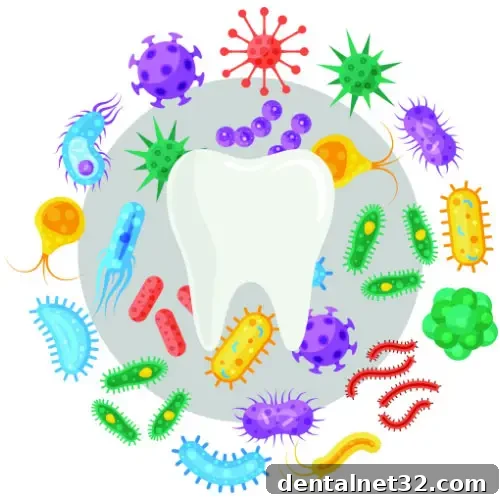
Have you ever considered that your mouth is a complex, thriving ecosystem? It is home to a bustling community of over 700 species of bacteria, fungi, and viruses, collectively known as the oral microbiome. This might sound alarming, but this microscopic world is fundamental to your health. A balanced oral microbiome is a cornerstone of strong teeth and healthy gums. However, its influence extends far beyond your smile, playing a critical role in your overall well-being. Understanding and nurturing this delicate ecosystem is one of the most proactive steps you can take for a long and healthy life.
For decades, we viewed all bacteria as harmful invaders. The goal was to eliminate them entirely. Today, we understand that this approach is flawed. The oral microbiome exists in a delicate balance. Beneficial microorganisms help digest food, produce essential vitamins, and form a protective barrier against harmful pathogens. They actively compete with and suppress the “bad” bacteria that cause tooth decay, inflammation, and periodontal (gum) disease. When this balance is disrupted—a state known as dysbiosis—harmful strains can proliferate, leading not only to oral problems but to systemic health issues throughout the body.
The Mouth-Body Connection: More Than Just a Gateway
Emerging scientific research is shedding light on a profound truth: the mouth is the primary gateway to the rest of the body, and its health is intrinsically linked to our systemic health. The rich blood supply in our gums can act as a direct pathway for bacteria to enter the bloodstream. When chronic inflammation from gum disease is present, this pathway becomes a superhighway for harmful microbes and inflammatory molecules.
This connection is not just a theory; it’s backed by a growing body of evidence linking poor oral health to a range of serious conditions. Studies have shown that the same bacteria responsible for periodontitis, such as Porphyromonas gingivalis, have been found in the brains of Alzheimer’s patients and can contribute to inflammation in the cardiovascular system, increasing the risk of heart disease and stroke. The chronic inflammation triggered by an imbalanced oral microbiome has also been linked to complications in diabetes, respiratory infections, and even certain types of cancer. This underscores a crucial message: caring for your mouth is a fundamental aspect of caring for your entire body.
A Practical Guide to Nurturing Your Oral Microbiome
Taking control of your oral health and fostering a balanced microbiome doesn’t require drastic measures. It involves integrating simple, effective, and consistent habits into your daily life. Here is a comprehensive guide to cultivating a healthy oral ecosystem for a lifetime of smiles and well-being.
1. Prioritize Professional Dental Care and Cleanings
Your daily hygiene routine is essential, but it cannot replace the expertise and tools of a dental professional. Scheduling regular dental appointments for check-ups and cleanings is a non-negotiable part of maintaining oral wellness. During a professional cleaning, a hygienist removes hardened plaque (tartar) that you can’t eliminate with a toothbrush or floss. This tartar buildup is a primary breeding ground for harmful bacteria. Regular visits, typically recommended at least twice a year, allow your dental team to monitor the health of your gums, catch potential issues like early-stage gum disease or cavities, and provide personalized guidance tailored to the specific needs of your oral microbiome.
2. Master Your Daily Oral Hygiene Routine
Consistency is key when it comes to daily care. A robust hygiene regimen physically removes food debris and disrupts the formation of harmful bacterial colonies.
- Effective Brushing: Brush your teeth at least twice a day for a full two minutes each time. Use a soft-bristled toothbrush and a fluoride toothpaste, which helps to remineralize enamel and make it more resistant to acid attacks from bacteria. Ensure you clean all surfaces of your teeth: the outer, inner, and chewing surfaces.
- Don’t Skip Flossing: Flossing is crucial for cleaning the tight spaces between your teeth and under the gumline, areas your toothbrush cannot reach. These spaces are where plaque and bacteria accumulate, leading to cavities and gum inflammation. Daily flossing is one of the most effective ways to prevent periodontal disease.
- Clean Your Tongue: Many people overlook the tongue, but its rough surface is a haven for bacteria that contribute to bad breath and an imbalanced microbiome. Spending a few moments each day gently scraping your tongue can significantly reduce the bacterial load, improve your sense of taste, and promote a fresher, healthier mouth.
3. Rethink Your Mouthwash: Avoid the “Scorched Earth” Approach
The marketing for many conventional mouthwashes promises to kill “99.9% of germs.” While this sounds beneficial, it can be counterproductive. Harsh, alcohol-based antiseptic mouthwashes don’t discriminate; they wipe out both the beneficial and harmful bacteria in your mouth. This can disrupt the delicate ecosystem, potentially allowing more resilient, harmful bacteria to repopulate unchecked. Furthermore, alcohol can dry out the mouth, reducing the production of saliva, which is your body’s natural defense mechanism for washing away food particles and neutralizing acids. Instead of daily use of harsh antiseptics, consider using a mouthwash only as directed by your dentist for a specific condition, or opt for a natural, alcohol-free brand designed to support a balanced oral microbiome.
4. Fuel Your Microbiome with a Nutrient-Rich Diet
What you eat directly feeds the microorganisms in your mouth. A diet high in sugar and refined carbohydrates (like white bread, pasta, and sugary drinks) is the perfect fuel for acid-producing bacteria that cause cavities and gum disease. To nurture your beneficial bacteria, focus on a diet rich in whole foods.
- Eat More Plants: Fruits, vegetables, and whole grains are rich in fiber and prebiotics, which are compounds that feed your good bacteria.
- Choose Lean Proteins: Foods like fish, chicken, and beans provide essential nutrients for strong teeth and healthy gum tissue.
- Limit Sugar and Acids: Minimize your intake of sugary snacks, sodas, and acidic foods and drinks that can erode tooth enamel and promote an unhealthy microbial balance.
5. Make Lifestyle Choices That Support Oral Health
Certain lifestyle habits can have a profoundly negative impact on your oral microbiome and overall oral health.
- Avoid Tobacco Products: Smoking and tobacco use are among the biggest risk factors for gum disease. They impair blood flow to the gums, reduce your mouth’s ability to heal, and create an environment where dangerous anaerobic bacteria can thrive.
- Limit Alcohol Consumption: Excessive alcohol consumption contributes to dehydration and a dry mouth, reducing saliva flow. Many alcoholic beverages are also high in sugar and acidity, further disrupting the microbial balance and increasing the risk of tooth decay.
Conclusion: A Proactive Approach to Lifelong Wellness
Caring for your oral microbiome is a powerful and proactive strategy for achieving optimal overall health. It shifts the focus from merely treating problems as they arise to cultivating an environment of balance and wellness. By implementing these simple yet effective habits—committing to regular dental visits, maintaining a diligent daily hygiene routine, being mindful of your diet, and making healthy lifestyle choices—you are not just protecting your teeth. You are nurturing a complex ecosystem that is vital to your long-term health. Take the first step today by scheduling an appointment with your dental professional to gain a deeper understanding of your unique oral health and unlock the secret to a lifetime of vibrant smiles.