
Your Child’s First Dentist Visit: A Parent’s Guide to a Lifetime of Healthy Smiles
As a parent, you navigate a world of “firsts” with your child: their first step, first word, and first day of school. Amidst these milestones, one crucial first often raises questions: the first dental visit. Many parents wonder if it’s truly necessary to take a baby or toddler to the dentist, especially when they only have a few tiny teeth. The answer from pediatric and family dental professionals is a resounding yes. Early dental care is not just a formality; it’s a foundational step in ensuring your child’s long-term oral and overall health. This guide will explore the ideal timing for that first appointment, what to expect during the visit, and the profound benefits of starting dental care early.
When Should a Child Have Their First Dentist Appointment?
The recommendation from the American Academy of Pediatric Dentistry (AAPD) and the American Dental Association (ADA) is clear and easy to remember: “First visit by first birthday.” This means a child should see a dentist when their first tooth appears, or no later than their first birthday, whichever comes first. This timeline often surprises parents, who might assume dental care can wait until all the baby teeth are in or even until the child starts school. However, this early window is critical for several reasons.
Dental decay can begin the moment a tooth erupts. Early childhood caries (ECC), sometimes known as baby bottle tooth decay, is a significant concern. It can be caused by prolonged exposure of a baby’s teeth to liquids containing sugars, such as milk, formula, or fruit juice, especially when given at night. A dentist can spot the very early signs of decay, which often look like white spots or lines on the teeth, and provide parents with the guidance needed to prevent it from progressing. Starting early establishes a “dental home” for your child—a comfortable, familiar place they can go for all their dental needs, from routine checkups to emergencies. This early relationship helps prevent dental anxiety from developing later in life.
What Happens During Your Child’s First Dental Visit?
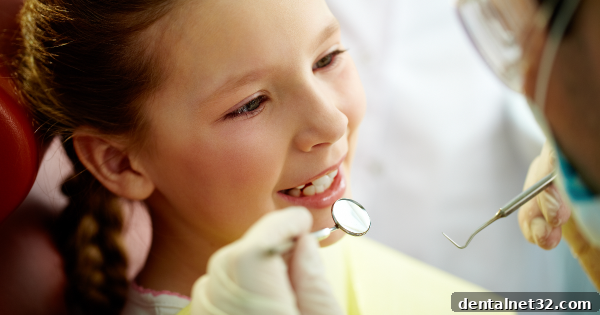
The primary goal of the first dental appointment is not invasive treatment but rather education, examination, and acclimatization. It’s designed to be a positive and gentle introduction to the dental environment. A welcoming dental office will have a friendly atmosphere, often with toys and a team experienced in working with children, to make your child feel as comfortable as possible.
The Meet and Greet
The visit will likely begin with a warm welcome from the dental team. The dentist and hygienist will spend time talking to both you and your child, using simple, non-threatening language. This helps build rapport and trust.
The Examination
The exam itself is quick and gentle. For infants and toddlers, it is often performed with the child sitting on the parent’s lap, in what is known as a “lap-to-lap” examination. You and the dentist will sit facing each other, knees touching, with your child’s head resting in the dentist’s lap. This position allows the child to maintain physical contact with you, which is reassuring, while giving the dentist a clear view. During the exam, the dentist will:
- Check the development of the teeth and jaw.
- Look for any signs of tooth decay or other potential issues.
- Examine your child’s gums, tongue, and other soft tissues.
- Assess their bite and look for any orthodontic concerns.
- Gently clean the teeth and apply a topical fluoride treatment if necessary.
Education and Guidance for Parents
A significant portion of the visit is dedicated to you, the parent. This is your opportunity to ask questions and receive personalized advice on caring for your child’s teeth. The dentist will discuss a range of important topics, including:
- Proper Oral Hygiene: Demonstrating how to effectively brush your child’s teeth and gums, and advising on when to start using fluoride toothpaste.
- Diet and Nutrition: Counseling on how a healthy, low-sugar diet impacts oral health and identifying hidden sugars in common foods and drinks.
- Teething: Offering advice on how to soothe a teething baby comfortably and safely.
- Oral Habits: Discussing the effects of thumb-sucking, pacifier use, and tongue-thrusting on dental development.
- Injury Prevention: Providing guidance on how to prevent and handle dental emergencies.
The Long-Term Benefits of Early Dental Care for Children
Investing in early dental care provides benefits that extend far beyond simply preventing cavities in baby teeth. It sets the stage for a lifetime of positive oral health habits and outcomes.
Prevention is Better Than Cure
The most immediate benefit is prevention. By identifying risks early, a dentist can recommend proactive solutions. For example, dental sealants are a thin, protective coating applied to the chewing surfaces of the back teeth (molars) to prevent decay. Research from the Centers for Disease Control and Prevention (CDC) shows that sealants can prevent over 80% of cavities in these vulnerable areas. Early visits allow for timely application of such preventative measures, saving your child from discomfort and you from the expense of more complex treatments down the road.
Protecting the Importance of Baby Teeth
A common misconception is that baby (primary) teeth are not important because they will eventually fall out. This couldn’t be further from the truth. Primary teeth play several crucial roles:
- Holding Space: They act as placeholders for the permanent teeth that are developing beneath the gums. Losing a baby tooth too early due to decay or injury can cause adjacent teeth to drift, potentially blocking the path of the permanent tooth and leading to crooked teeth and bite problems.
- Proper Nutrition: Healthy teeth are essential for chewing, allowing a child to eat a varied and nutritious diet.
- Speech Development: The front teeth are vital for the proper pronunciation of certain sounds.
- Self-Esteem: A healthy smile contributes to a child’s confidence.
Fostering a Positive Attitude Towards Dental Health
When children begin visiting the dentist at a young age for simple, pleasant checkups, they learn that the dental office is a safe and helpful place. This positive conditioning helps prevent the development of dental fear or anxiety, which can be a significant barrier to receiving necessary care in adulthood. Children who are comfortable with their dentist are more likely to maintain regular checkups throughout their lives.
Schedule Your Child’s First Visit with Sninski & Schmitt Family Dentistry
In summary, early and regular dental care is a cornerstone of your child’s overall health and well-being. It helps prevent common childhood dental diseases, provides parents with essential knowledge, and builds a foundation for a lifetime of healthy smiles. At Sninski & Schmitt Family Dentistry, we are committed to providing a positive, comfortable, and educational dental experience for our youngest patients and their families.
If you are looking for a trusted family dentist in Cary or Holly Springs, we invite you to join our practice. We welcome new patients and accept a wide variety of insurance plans to make dental care accessible for your family. To schedule an appointment and give your child the gift of a healthy start, please contact us at our Holly Springs dentist office at (919) 600-6262 or our Cary, NC dentist office at (919) 467-2203. You can also easily schedule an appointment by filling out our online contact form. We look forward to meeting you and your little one!