
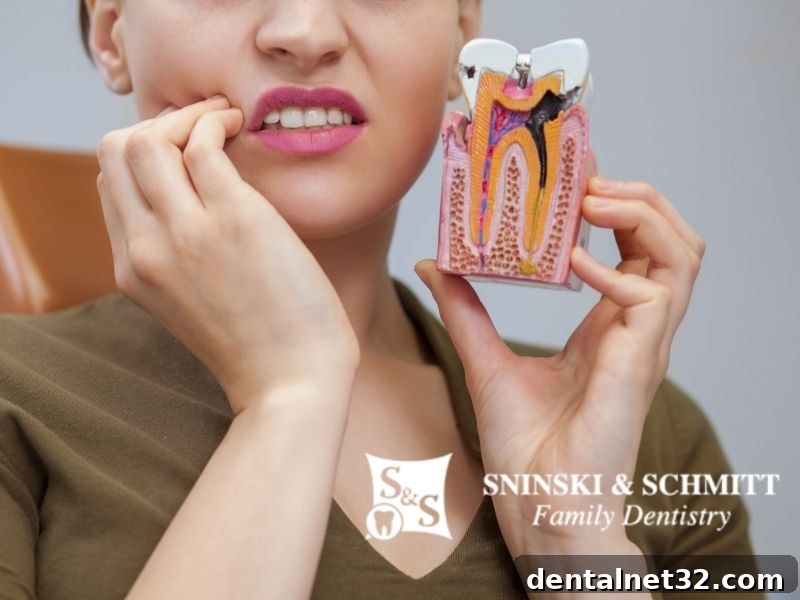
Dental cavities, technically known as dental caries, can appear on any tooth surface. However, as we age, we often become more susceptible to a specific type—cavities along the gumline. This increased risk is closely linked to gum recession, a common age-related change. When you combine the natural aging process with lifestyle habits and individual oral biology, the conditions become ripe for gumline cavities to develop and pose a threat to your long-term dental health.
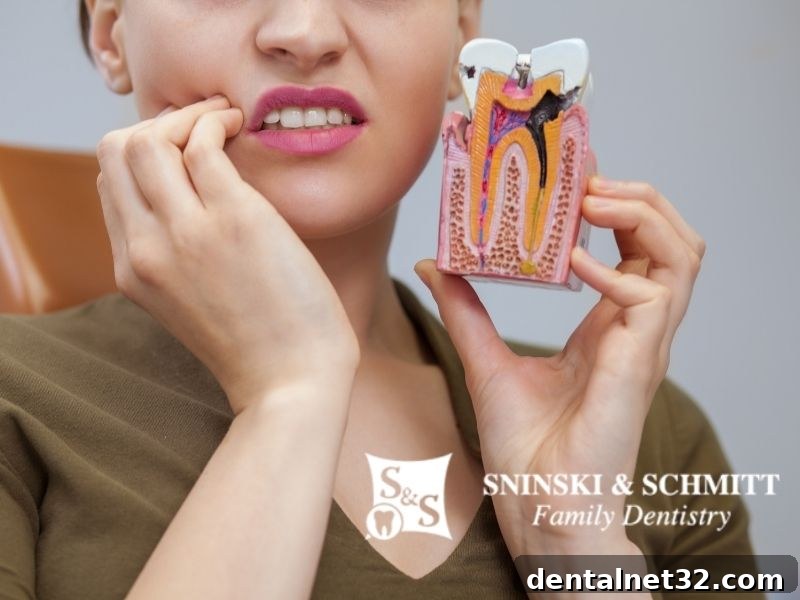
You might be wondering if a cavity at the gumline is more serious than one on the chewing surface of a molar. All cavities stem from the same root cause: the buildup of acidic plaque and tartar. While the treatment for gumline cavities is similar to that of other cavities, there can be added complexities, especially if the decay extends beneath the gum tissue. The best news, however, is that these cavities are highly preventable with a commitment to excellent oral hygiene and consistent, routine dental examinations.
Understanding the fundamental causes of gumline cavities is the most powerful tool for preventing them and ensuring a lifetime of healthy smiles. At our practice, the dental professionals are experts in identifying and treating every type of tooth decay. In this comprehensive guide, we will delve into the reasons why cavities along the gumline are a particular concern for adults and what you can do to protect yourself.
What Exactly Are Gumline Cavities?
Gumline cavities are a form of decay classified as “smooth surface cavities” because they form on the flat, smooth exterior sides of your teeth rather than in the pits and fissures of your chewing surfaces. This type of decay specifically targets the area where the tooth crown meets the gum tissue. As we get older, our gums may begin to recede, or pull away from the teeth. This process uncovers the roots of the teeth, which are not protected by the hard, durable enamel that covers the visible crown.
Instead, the tooth roots are covered by a substance called cementum. Cementum is significantly softer and more porous than enamel, making it far more vulnerable to the acid attacks produced by plaque bacteria. A cavity can form on an exposed root surface much more quickly than it can on enamel. Because this cervical area (the “neck” of the tooth) can be challenging to clean perfectly, it often becomes a prime location for bacteria to accumulate, accelerating the decay process.
Why Gumline Cavities Are a Common Concern for Adults
The primary reason gumline cavities become more prevalent in adulthood is directly tied to gum recession, which exposes the vulnerable, softer root surfaces of the teeth. While a slight degree of recession can be a natural part of aging, several other factors common in adults can create a perfect storm for this type of decay. Oral health issues like chronic dry mouth, often a side effect of common medications, and the presence of gum disease (periodontitis) significantly elevate the risk. These conditions, which are more common as we age, disrupt the mouth’s natural defenses and allow decay-causing bacteria to thrive right at the gumline.
The Primary Causes and Risk Factors for Gumline Cavities
The journey to any cavity begins with bacteria, plaque, and tartar. Bacteria in your mouth feed on sugars and starches from your diet, producing acids as a byproduct. These acids, combined with bacteria and food debris, form a sticky film called plaque. If not removed, plaque hardens into tartar, which can only be removed by a dental professional. When this plaque and tartar accumulate along the gumline, especially on an exposed root, the acids erode the tooth structure, leading to a cavity.
Several key factors significantly increase your risk:
- Gum Recession: This is the most critical factor. Gums can pull back due to aging, aggressive brushing habits, or, most commonly, gum disease, leaving the tooth roots exposed and defenseless against decay.
- Exposed Tooth Roots: As mentioned, the root’s surface, or cementum, is much softer than enamel. It demineralizes at a higher pH, meaning it can begin to decay under less acidic conditions than enamel requires.
- Dry Mouth (Xerostomia): Saliva is your mouth’s natural cleaning and neutralizing agent. It washes away food particles and buffers acid. Many medications prescribed for adults—such as those for high blood pressure, allergies, and depression—can cause dry mouth, reducing this vital protection and allowing bacteria to flourish.
- Gum Disease: Plaque buildup irritates the gums, leading to gingivitis (inflammation) and, if untreated, periodontitis. Periodontitis causes the gums to pull away from the teeth, creating “pockets” that trap bacteria and plaque, directly contributing to root decay.
- Challenging Oral Hygiene: Physical limitations, such as arthritis or a loss of dexterity, can make it difficult for some adults to brush and floss effectively. This can lead to inadequate plaque removal in hard-to-reach areas like the gumline.
- Dietary Habits: A diet high in sugars and acidic foods and beverages (like sodas, sports drinks, and citrus fruits) constantly fuels the bacteria that cause cavities. Frequent snacking can also keep your mouth in an acidic state for longer periods.
Recognizing the Symptoms of a Gumline Cavity
Early detection is crucial for simpler treatment. Be aware of these common signs and symptoms that may indicate a cavity is forming near your gums:
- Heightened Tooth Sensitivity: A sharp or aching pain when consuming hot, cold, sweet, or acidic foods and drinks is a classic sign. This occurs because the decay is closer to the nerve endings within the tooth.
- Persistent Toothache: A dull, constant ache or a sharp, spontaneous pain in a specific tooth can signal that the decay has progressed and is irritating the tooth’s nerve.
- Visible Signs of Damage: Look closely at your gumline. You might notice a small notch, a pit, or a chalky white, brown, or black spot right where the tooth meets the gum.
- Gum Inflammation or Bleeding: The plaque and bacteria causing the cavity can also irritate the surrounding gum tissue, leading to redness, swelling, tenderness, or bleeding when you brush.
- Chronic Bad Breath or a Bad Taste: A large accumulation of bacteria associated with a cavity can produce foul odors, leading to persistent bad breath (halitosis) or an unpleasant taste in your mouth.
- Food Getting Trapped: If you consistently find food getting stuck in the same spot between your tooth and gum, it could be lodging in a cavity that has formed.
Effective Strategies for Preventing Gumline Cavities
Prevention is always the best approach. By adopting a proactive and thorough oral care routine, you can dramatically reduce your risk of developing cavities at the gumline and elsewhere.
- Master Gentle and Thorough Brushing: Use a soft-bristled toothbrush to avoid damaging your gums and causing further recession. Angle the bristles at a 45-degree angle toward the gumline and use gentle, circular motions to clean the tooth surface and the area just beneath the gum.
- Make Daily Flossing a Non-Negotiable Habit: Flossing is essential for removing plaque and food debris from between your teeth and under the gumline, areas your toothbrush cannot reach. Curve the floss into a “C” shape against each tooth to ensure you clean effectively.
- Harness the Power of Fluoride: Use a toothpaste containing fluoride, which strengthens tooth enamel and can even help remineralize areas of early decay. A fluoride mouthwash can provide an extra layer of protection, especially for those with a higher risk.
- Be Mindful of Your Diet: Limit your intake of sugary snacks, sodas, and acidic drinks. When you do indulge, try to consume them with a meal rather than snacking throughout the day. Rinse your mouth with water afterward.
- Stay Well-Hydrated: Drinking plenty of water throughout the day helps wash away food particles and bacteria, stimulates saliva production, and keeps your oral environment healthy.
- Schedule Regular Dental Checkups and Cleanings: Visiting your dentist every six months is critical. Professional cleanings remove hardened tartar that you can’t eliminate at home, and regular exams allow for the early detection and treatment of problems like gum disease and cavities.
- Proactively Address Dry Mouth: If you suffer from dry mouth, speak with your dentist. They may recommend saliva substitutes, sugar-free gum to stimulate saliva flow, or other specialized products to protect your teeth.
Professional Treatment for Gumline Cavities
If a gumline cavity does develop, your dentist has several effective treatment options depending on the extent of the decay. The location can sometimes make treatment more complex, but a skilled dentist can restore the tooth to full health and function.
For very early-stage decay that hasn’t yet formed a physical hole (a process called demineralization), a professional fluoride treatment or varnish can sometimes be used to remineralize and strengthen the area. For a developed cavity, the most common treatment is a tooth-colored filling. The dentist will remove the decayed portion of the tooth and restore it with a composite resin material. In cases of more extensive decay, where the tooth structure is significantly weakened, a dental crown may be necessary to cover and protect the entire tooth. If the decay has reached the tooth’s nerve, a root canal may be required to save the tooth. Your dentist will carefully evaluate your situation and recommend the most appropriate and conservative treatment to restore your oral health.
Contact Sninski & Schmitt Family Dentistry to Schedule Your Dental Check-Up
While cavities at the gumline are a common challenge for adults, they are not an inevitable part of aging. Through awareness and diligent care, you can maintain a healthy, cavity-free smile. If you are experiencing tooth sensitivity, gum irritation, or have noticed any potential signs of decay, it’s important to schedule a dental evaluation promptly. Our dedicated team at Sninski & Schmitt Family Dentistry is here to help. Our practice is welcoming new patients at both of our convenient locations. Please contact us to book your appointment by calling our Holly Springs office at 919-600-6262 or our Cary dentist office at 919-467-2203 today.