
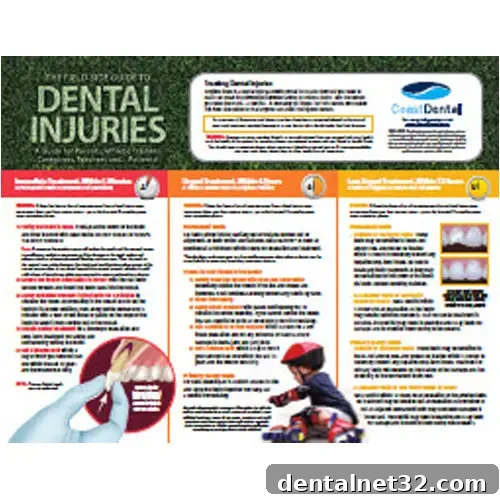
A Complete Guide to Dental Emergencies: What to Do for a Chipped, Loose, or Knocked-Out Tooth
It can happen in a flash. One moment, your child is joyfully playing on the field or at the park; the next, an unexpected collision results in a broken tooth. Dental injuries aren’t limited to children, either. An adult can trip during a run, take a spill from a bicycle, or even bite down on something hard, leading to a sudden and painful dental emergency. These moments are often filled with panic, but knowing the right steps to take can make all the difference in saving a tooth and preventing long-term complications.
Whether you’re dealing with a minor chip or a completely knocked-out tooth, your immediate actions are crucial. This comprehensive guide will walk you through the essential steps for handling common dental injuries, explaining why time is of the essence and how you can protect your family’s smiles from future harm.
Understanding the Most Common Dental Injuries
Dental trauma can manifest in several ways, from cosmetic issues to severe injuries requiring immediate professional care. Recognizing the type of injury is the first step toward providing the correct first aid.
1. Chipped or Fractured Teeth
This is one of the most frequent dental injuries. A chip can be a small piece of enamel breaking off, which may not cause pain. A larger fracture, however, can expose the sensitive inner layers of the tooth (dentin) or even the nerve (pulp), leading to significant pain and sensitivity. The number one cause of broken teeth in adults, aside from trauma, is advanced decay. A cavity can weaken the tooth structure from the inside out, making it vulnerable to fracturing under normal biting pressure.
2. Dislodged (Luxated) Teeth
A dislodged tooth is one that has been pushed out of its normal position but remains in the socket. It might be pushed sideways, forward, or backward, or it might seem longer (extruded) or shorter (intruded) than the surrounding teeth. This type of injury always requires urgent dental care to reposition and stabilize the tooth, giving it the best chance to heal and re-integrate with the jawbone.
3. Knocked-Out (Avulsed) Teeth
This is the most serious type of dental emergency. An avulsed tooth has been completely knocked out of its socket. While alarming, it is often possible to save the tooth if you act quickly and correctly. The period immediately following the injury is critical, often referred to as the “golden hour,” where the chances of successful replantation are highest.
Your Immediate Action Plan: A Step-by-Step Guide for Dental Emergencies
When a dental injury occurs, staying calm and acting decisively is key. Follow these steps based on the type of injury sustained. According to dental experts, the first and most crucial step in any of these scenarios is to call your dentist immediately. Many dental offices have an emergency contact number for after-hours incidents.
What to Do for a Chipped or Broken Tooth:
- Rinse Gently: Immediately rinse the mouth with warm salt water to clean the area.
- Control Bleeding: If there is bleeding, apply gentle pressure to the area with a clean piece of gauze for about 10 minutes or until the bleeding stops.
- Reduce Swelling: Apply a cold compress or an ice pack wrapped in a towel to the outside of the mouth, cheek, or lip to minimize swelling and alleviate pain.
- Save the Fragment: If you can find the broken piece of the tooth, save it. Rinse it and bring it with you to the dentist, as it can sometimes be re-bonded to the tooth.
- See a Dentist: Even if the chip is small and doesn’t hurt, it’s important to have it examined. A sharp edge can cut your tongue or cheek, and the weakened tooth may be susceptible to further damage or decay.
What to Do for a Dislodged or Loosened Tooth:
- Contact Your Dentist Immediately: This is an urgent situation. A dislodged tooth needs to be repositioned and stabilized as soon as possible.
- Do Not Force It: You can try to gently push the tooth back into its proper position with your finger, but do not force it.
- Stabilize Your Bite: Bite down very gently to help keep the tooth from moving.
- Manage Pain: Use a cold compress on the outside of the mouth to help with pain and swelling.
A dentist will need to assess the damage to the surrounding ligaments and bone. “If you don’t do anything, you’ll most likely end up losing the tooth,” warn dental professionals. Prompt treatment, which may involve bonding or applying a splint to stabilize the tooth, is essential for saving it.
What to Do for a Knocked-Out Tooth:
You have a very narrow window, typically 30 to 60 minutes, to give a knocked-out tooth the best chance of survival. Follow these steps with extreme care:
- Find the Tooth: Locate the tooth immediately.
- Handle with Care: Pick up the tooth by the crown (the white, visible part), not by the root. Touching the root can damage the delicate cells necessary for reattachment.
- Rinse, Don’t Scrub: If the tooth is dirty, gently rinse it with milk or a saline solution for a few seconds. Do not use soap, do not scrub it, and do not wrap it in a tissue or cloth.
- Try to Reinsert It: If possible, gently push the tooth back into its socket. Hold it in place by biting down on a clean piece of gauze or a handkerchief.
- Keep It Moist: If you cannot reinsert the tooth, it is crucial to keep it moist. The best way is to place it in a small container of milk. Alternatively, you can hold it in your mouth between your cheek and gum (for adults and older children who won’t swallow it). Do not use plain water, as this can damage the root cells.
- Get to a Dentist Immediately: This is a time-sensitive emergency. The sooner the tooth is professionally replanted and splinted, the higher the chance it will successfully reintegrate into the jaw.
The Cost of Waiting: Why Immediate Action Saves More Than Just Your Tooth
Ignoring a dental injury or delaying treatment can lead to more severe problems and significantly higher costs down the line. What begins as a relatively simple fix can escalate into a complex and expensive issue.
- Minor Fix vs. Major Restoration: A small chip can often be repaired with dental bonding, an affordable and quick procedure. If left untreated, that chip can worsen, leading to a crack that requires a more expensive dental crown. If the crack reaches the pulp, a root canal becomes necessary to save the tooth from extraction.
- Saving a Tooth vs. Replacing It: The cost of stabilizing a dislodged tooth is far less than the cost of replacing it. If you wait too long and the tooth cannot be saved, you will need an extraction followed by a replacement like a dental bridge or a dental implant. These procedures are far more invasive, time-consuming, and costly than emergency care to save the natural tooth.
Prompt action not only improves the outcome for your oral health but also protects your wallet from the financial strain of extensive dental work.
Prevention Is Better Than a Cure: How to Protect Your Smile
While accidents are sometimes unavoidable, you can take several proactive steps to reduce the risk of dental injuries for you and your family.
- Wear a Mouthguard: If you or your children participate in sports—including contact sports like football and hockey, as well as activities like basketball, soccer, and skateboarding—a custom-fitted mouthguard is an essential piece of equipment. It can protect teeth from impact and reduce the severity of jaw injuries.
- Childproof Your Home: For families with young children, take precautions to prevent falls. Use safety gates near stairs, secure rugs, and pad sharp corners on furniture.
- Avoid Bad Habits: Do not use your teeth as tools to open packages, cut tape, or crack nuts. Avoid chewing on hard objects like ice, pens, or hard candy, which can cause teeth to fracture.
- Maintain Excellent Oral Hygiene: Regular brushing, flossing, and dental check-ups are crucial. Strong, healthy teeth are less likely to break from decay. A dentist can identify and treat cavities before they weaken the tooth structure significantly.
Be Prepared for a Dental Emergency
Dental injuries can be frightening, but being prepared can help you navigate the situation with confidence. The most important takeaways are to act quickly, handle any injured or avulsed teeth correctly, and contact your dentist without delay. We recommend saving your dentist’s emergency phone number in your contacts so you can access it quickly when you need it most. By taking the right steps, you can greatly increase the chances of a positive outcome and preserve a healthy smile for years to come.