
The Surprising Link: How Poor Oral Health Dramatically Increases COVID-19 Risks
In the global fight against COVID-19, we’ve focused on masks, vaccines, and social distancing. However, emerging research points to a powerful yet often overlooked ally in this battle: your toothbrush. A groundbreaking study reveals a startling connection between gum disease and severe COVID-19 outcomes, suggesting that maintaining proper oral hygiene is more critical than ever for your overall health and resilience.
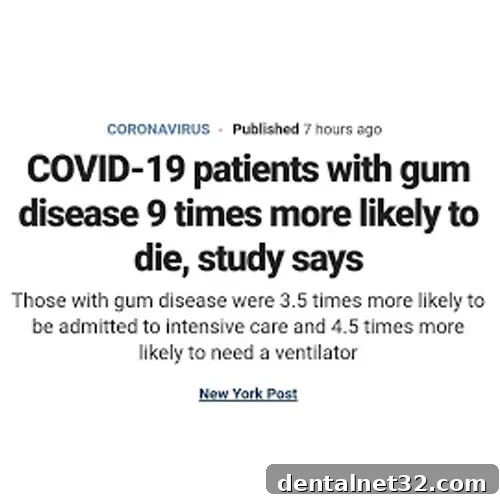
The comprehensive study, published in the esteemed Journal of Clinical Periodontology, has sent waves through both the medical and dental communities. The findings are stark: COVID-19 patients with pre-existing gum disease are a staggering nine times more likely to die from the virus compared to those with healthy gums. This isn’t just a minor correlation; it’s a significant risk factor that demands immediate attention.
Unpacking the Alarming Statistics: A Deeper Look at the Study
The research, conducted in Qatar with a cohort of 568 COVID-19 patients, meticulously analyzed how oral health impacted the progression of the viral infection. The results paint a clear and concerning picture. Beyond the dramatic increase in mortality, the study highlighted several other critical complications.
A Higher Likelihood of Severe Complications
According to the data, individuals with gum disease were not only more likely to succumb to the virus but also to experience a more severe form of the illness. The specific numbers are sobering:
- 3.5 times more likely to be admitted to an intensive care unit (ICU).
- 4.5 times more likely to require a ventilator to breathe.
- At least three times more likely to experience any major COVID-19 complication.
These statistics remained significant even after researchers accounted for other known risk factors such as age, body mass index (BMI), smoking status, and other underlying conditions like diabetes and heart disease. This indicates that poor oral health is an independent and powerful contributor to COVID-19 severity.
The Science Behind the Connection: Inflammation is the Culprit
How can an issue in your mouth have such a devastating impact on a respiratory virus? The answer lies in a single, powerful biological process: inflammation. To understand this link, it’s essential to first understand gum disease itself.
What is Periodontitis?
Periodontitis, the clinical term for severe gum disease, is not just about bleeding gums. It’s a chronic inflammatory condition caused by a bacterial infection in the tissue surrounding your teeth. If left untreated, this infection doesn’t stay confined to your mouth. The bacteria and the inflammatory proteins they trigger can enter the bloodstream, traveling throughout your body and causing low-grade, systemic inflammation. This means your body’s immune system is constantly in a state of low-level alert, fighting a battle it can’t win without professional intervention.
When Two Storms Collide
Severe COVID-19 is also characterized by an extreme inflammatory response, often called a “cytokine storm.” This is when the immune system goes into overdrive, releasing a flood of inflammatory signals (cytokines) that, instead of helping, cause widespread damage to the body’s own organs, particularly the lungs.
When a person with pre-existing systemic inflammation from periodontitis contracts COVID-19, their body is already primed for an overreaction. The immune system is already on high alert. The introduction of the coronavirus acts like throwing gasoline on a smoldering fire. The result is a magnified, more violent inflammatory response that overwhelms the body, leading directly to the higher rates of ICU admission, ventilator use, and death observed in the study.
Study co-author Professor Lior Shapira of the Hebrew University in Israel explained it succinctly: “The results of the study suggest that the inflammation in the oral cavity may open the door to the coronavirus becoming more violent. Oral care should be part of the health recommendations to reduce the risk for severe COVID-19 outcomes.”
Expert Insights: The Dangers of Inhaled Oral Bacteria
The connection isn’t limited to just systemic inflammation. Professor Mariano Sanz of the Complutense University of Madrid, another author of the study, highlighted a more direct route of infection. He noted that the harmful bacteria thriving in the mouths of patients with periodontitis can be easily inhaled, traveling directly into the lungs.
Once in the lungs, these bacteria can cause secondary infections, complicating the primary viral pneumonia caused by COVID-19. This creates a two-front war in the lungs, significantly worsening a patient’s condition and increasing their risk of respiratory failure. “Hospital staff should identify COVID-19 patients with periodontitis and use oral antiseptics to reduce transmission of bacteria,” Sanz advised, emphasizing the need for proactive oral care in clinical settings.
The Bigger Picture: Gum Disease’s Link to Other Systemic Health Issues
The link between oral health and overall health is not a new discovery, although the COVID-19 connection has brought it into sharp focus. For decades, researchers have established strong ties between periodontitis and a host of other serious chronic conditions, all rooted in the same mechanism of systemic inflammation.
- Heart Disease and Stroke: The inflammation caused by gum disease can contribute to the hardening of arteries (atherosclerosis) and increase the risk of blood clots, leading to heart attacks and strokes.
- Diabetes: The relationship is a two-way street. Diabetes makes individuals more susceptible to gum disease, while active gum disease can make it more difficult to control blood sugar levels.
- Respiratory Diseases: As Professor Shapira noted, the link between periodontitis and lung conditions like asthma, pneumonia, and chronic obstructive pulmonary disease (COPD) is well-established.
- Rheumatoid Arthritis: Both are chronic inflammatory diseases, and research suggests that the bacteria responsible for periodontitis may worsen the severity of autoimmune arthritis.
Protect Yourself: Practical Steps for a Healthier Mouth and Body
The evidence is clear: taking care of your mouth is a fundamental part of taking care of your entire body. A proactive approach to oral hygiene can lower your baseline inflammation, strengthen your body’s ability to fight infections, and potentially reduce your risk of severe complications from illnesses like COVID-19. Here are the essential steps everyone should take:
- Master the Basics of Brushing: Brush your teeth for two full minutes, twice a day, using a soft-bristled brush and fluoride toothpaste. Pay special attention to the gumline, where plaque and bacteria accumulate.
- Don’t Skip Flossing: Flossing is not optional. It’s the only way to remove bacteria and food particles from between your teeth and under the gumline, areas your toothbrush can’t reach. Aim for once a day.
- Consider an Antiseptic Mouthwash: Using an antimicrobial or antiseptic mouthwash can help reduce the bacterial load in your mouth, providing an extra layer of protection.
- Schedule Regular Dental Visits: Professional cleanings and check-ups are crucial. A dental hygienist can remove hardened plaque (tartar) that you can’t remove at home, and a dentist can spot the early signs of gum disease before it becomes a serious problem.
- Know the Warning Signs: Be aware of the symptoms of gum disease, which include red, swollen, or tender gums; bleeding when you brush or floss; persistent bad breath; gums that are pulling away from your teeth; and loose teeth. If you notice any of these, see your dentist immediately.
- Maintain a Healthy Lifestyle: A balanced diet low in sugar and processed foods, along with avoiding tobacco products, can significantly improve your oral health and reduce inflammation.
A Final Word on Oral Health as a Pillar of Wellness
The COVID-19 pandemic has taught us invaluable lessons about interconnectedness and vulnerability. This research adds a crucial dimension to our understanding of health, demonstrating that the state of our oral cavity is not an isolated issue but a vital indicator of our systemic well-being. Brushing and flossing are not just about preventing cavities or achieving a bright smile; they are simple yet powerful acts of self-care that fortify your body’s defenses. By embracing excellent oral hygiene, you are investing in your overall health and building a more resilient foundation to face whatever health challenges may come your way.