
A Dentist’s Survival Guide to Halloween: 5 Tips for Cavity-Free Fun
Here’s a little secret from the world of dentistry: dentists enjoy a sweet treat just as much as anyone else. That’s right, even your trusted oral health professional might have a favorite candy. However, they also know the secrets to enjoying festive seasons like Halloween without compromising a healthy smile. With a mountain of candy on the horizon, it’s the perfect time to arm yourself with the knowledge to protect your family’s teeth from the spooky threat of cavities.
Halloween is a time for fun, costumes, and, of course, treats. The goal isn’t to eliminate candy entirely but to manage it wisely. By making smart choices and following a few simple guidelines, you and your children can indulge in the festivities and keep your teeth in fantastic shape. Here are five essential tips to ensure your Halloween is full of treats, not tricks on your dental health.
1. Choose Your Candy Wisely: The Good, The Bad, and The Spooky
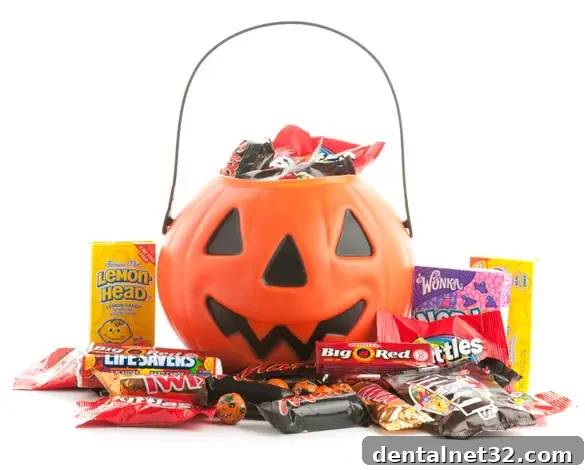
Not all Halloween treats are created equal when it comes to their effect on your teeth. Some candies pose a much greater risk for tooth decay than others. The scariest culprits are those that are sticky, chewy, hard, or highly acidic. Understanding why these candies are so problematic is the first step toward making better choices for your trick-or-treat bag.
The Worst Offenders for Your Teeth
Sticky and Chewy Candies: Treats like caramels, taffy, gummy bears, and even candy corn are notorious for causing dental problems. Their sticky, chewy texture allows them to cling to the surfaces of your teeth, especially in the tiny grooves and crevices of your molars. This prolonged contact means sugar is constantly feeding the harmful bacteria in your mouth, which in turn produce acid that erodes tooth enamel and leads to cavities. These candies are also notoriously difficult to remove completely, even with thorough brushing.
Sour Candies: Sour treats like Sour Patch Kids might seem fun, but they deliver a double blow to your dental health. First, they are often chewy and sticky, sharing the same risks mentioned above. Second, and more importantly, they are extremely acidic. This high acid content can directly weaken and erode your tooth enamel, which is the hard, protective outer layer of your teeth. Once the enamel is compromised, your teeth become far more vulnerable to decay from the sugar in the candy.
Hard Candies: Lollipops, jawbreakers, and other hard candies present a two-fold danger. Because they are designed to be dissolved slowly in the mouth, they bathe your teeth in sugar for an extended period. This gives oral bacteria a long-lasting fuel source to produce damaging acids. Furthermore, many people are tempted to bite down on hard candy, which can easily lead to a dental emergency like a chipped, cracked, or broken tooth. A fractured tooth is a sure way to end your Halloween fun with an unplanned trip to the dentist.
Healthier Halloween Treat Alternatives
So, what’s a safe bet for your candy stash? Chocolate is generally considered one of the better options. It dissolves relatively quickly and washes off the teeth more easily than its sticky counterparts. Dark chocolate is an even better choice, as it contains less sugar and has several health benefits. Some studies suggest that compounds in dark chocolate can have antioxidant effects and may even help inhibit the growth of plaque. Sugar-free gum and candies containing xylitol are also excellent choices, as xylitol is a natural sweetener that can actually help prevent cavities by starving harmful mouth bacteria.
2. Master the Timing: When You Eat Matters
When it comes to sugar consumption and dental health, frequency is often more harmful than quantity. According to the American Dental Association (ADA), snacking on sugary treats throughout the day creates a constant acid attack on your teeth, giving them no time to recover. A much better strategy is to be strategic about when you or your children enjoy Halloween candy.
The ideal time to eat candy is with a meal or shortly after as a dessert. During a meal, your mouth’s saliva production increases significantly. Saliva is your body’s natural defense mechanism against cavities. It helps to neutralize the acids produced by bacteria, wash away food particles and sugar, and contains minerals like calcium and phosphate that help remineralize and repair your tooth enamel. By eating candy when saliva flow is already high, you help mitigate its harmful effects.
To reduce the temptation of constant snacking, avoid leaving a large, open bowl of candy on the counter. Out of sight, out of mind can be a powerful tool. Consider storing the candy away and portioning it out as a special treat at specific times, rather than allowing free-range grazing all day long.
3. Hydration is Your Hero: Drink Plenty of Water
What you drink is just as important as what you eat, especially after indulging in sugary treats. The absolute best beverage for your teeth is plain water. It’s completely sugar-free and acts as a natural cleanser for your mouth, rinsing away leftover candy particles and cavity-causing bacteria.
If your tap water is fluoridated, you get an extra layer of protection. The Centers for Disease Control and Prevention (CDC) has long recognized fluoride as a safe and effective way to prevent tooth decay. Fluoride is a mineral that integrates into the tooth enamel, making it stronger and more resistant to acid attacks. Swishing with water after eating candy is a simple yet highly effective way to protect your smile.
Be sure to avoid sugary drinks like sodas, sports drinks, and even many fruit juices, as these just add more sugar and acid to the equation. Pairing a sugary treat with a sugary drink is a recipe for dental disaster, significantly increasing your risk of developing cavities.
4. The “One-and-Done” Strategy and Leftover Candy Solutions
While it might sound counterintuitive, it’s better for your teeth to eat a few pieces of candy in one sitting than to eat a single piece every hour. Remember, it’s the frequency of sugar exposure that does the most damage. One significant “sugar attack” allows your mouth’s saliva several hours to neutralize acids and remineralize enamel. Multiple, smaller attacks throughout the day keep your teeth in a constant state of demineralization, preventing them from ever fully recovering.
Once the main Halloween excitement has passed, consider getting the excess candy out of the house. If you’re faced with a mountain of leftovers, here are some creative and healthier options:
- Donate It: Many dental offices participate in Halloween Candy Buyback programs, where they “buy” candy from kids and send it to troops overseas through organizations like Operation Gratitude. Local shelters or food pantries may also accept donations of unopened candy.
- Freeze It: Save some of the candy for later use in baking. Chopped-up chocolate bars can be a great addition to a batch of cookies or brownies for a special occasion.
- Use It for Crafts or Science: Get creative with candy-based art projects or fun science experiments, like dissolving different candies in various liquids.
5. A Strong Defense: Maintain Excellent Oral Hygiene
The most effective way to prevent Halloween candy from haunting your teeth is to maintain a consistent and thorough oral hygiene routine all year round. A few days of extra sugar are far less likely to cause problems if your teeth are already strong and well-cared-for. Reinforce these essential habits with your family:
- Brush Thoroughly: Brush your teeth at least twice a day for two full minutes each time, using a soft-bristled toothbrush and an ADA-accepted fluoride toothpaste. Pay special attention to brushing after eating sweets.
- Wait Before You Brush: After consuming acidic or sugary foods, wait about 30 to 60 minutes before brushing. This gives your saliva time to neutralize the acids and reharden your enamel, preventing you from scrubbing away a temporarily softened surface.
- Don’t Skip Flossing: Flossing daily is non-negotiable. It removes plaque and food particles, especially sticky candy, from between your teeth and under the gumline where your toothbrush can’t reach.
- Visit Your Dentist: Schedule and keep regular dental check-ups and cleanings every six months. Professional cleanings remove tartar buildup, and your dentist can spot and address any potential issues before they become major problems.
Enjoy a Healthy and Happy Halloween
This Halloween, embrace the fun, create lasting memories, and enjoy your favorite treats. By being mindful of which candies you choose, when you eat them, and how you care for your teeth afterward, you can prevent sugar from turning into a dental nightmare. Follow these tips to keep your family’s smiles bright and healthy long after the last jack-o’-lantern has faded.