
How Long Do Dental Crowns Last? A Complete Guide
When you invest in a dental crown, you’re investing in the health, function, and appearance of your smile. A common question patients have is, “How long will my new crown last?” While no dental restoration is permanent, a well-made and properly cared-for crown can serve you for many years. A dental crown acts as a protective, tooth-shaped cap designed to restore a tooth that is decayed, broken, weak, or severely worn down. It’s also a crucial component for covering dental implants and teeth that have undergone root canal therapy.
On average, the typical lifespan of a dental crown ranges from 10 to 15 years. However, this is just a general guideline. With diligent care, excellent oral hygiene habits, and consistent dental check-ups, it’s not uncommon for a crown to last for 20, 25 years, or even a lifetime. The longevity of your crown depends on a variety of factors, from the material it’s made from to your personal habits. In this comprehensive guide, we’ll explore the purpose of dental crowns, the different types available, key factors that influence their lifespan, and what you can do to get the most out of your dental restoration.
The Fundamental Purpose of a Dental Crown
A dental crown is a versatile restorative solution that encases the entire visible portion of a tooth above the gumline. To prepare for a crown, a dentist carefully reshapes the natural tooth, removing any decay and creating space for the new restoration. The crown is then custom-fabricated to fit precisely over the prepared tooth and is bonded securely in place. This process effectively restores the tooth’s original shape, size, strength, and appearance.
You might need a dental crown for several important reasons:
- To Strengthen a Weak Tooth: A tooth with a large filling or significant decay can become structurally compromised. A crown holds the tooth together, preventing it from fracturing under the pressure of chewing.
- To Protect and Support a Cracked Tooth: A crack in a tooth can spread, leading to pain and eventual tooth loss. A crown covers the tooth, distributing biting forces evenly and preventing the crack from worsening.
- To Restore a Worn-Down or Broken Tooth: Severe wear from grinding (bruxism) or a traumatic injury can leave a tooth short or broken. A crown rebuilds its structure, restoring its function and aesthetics.
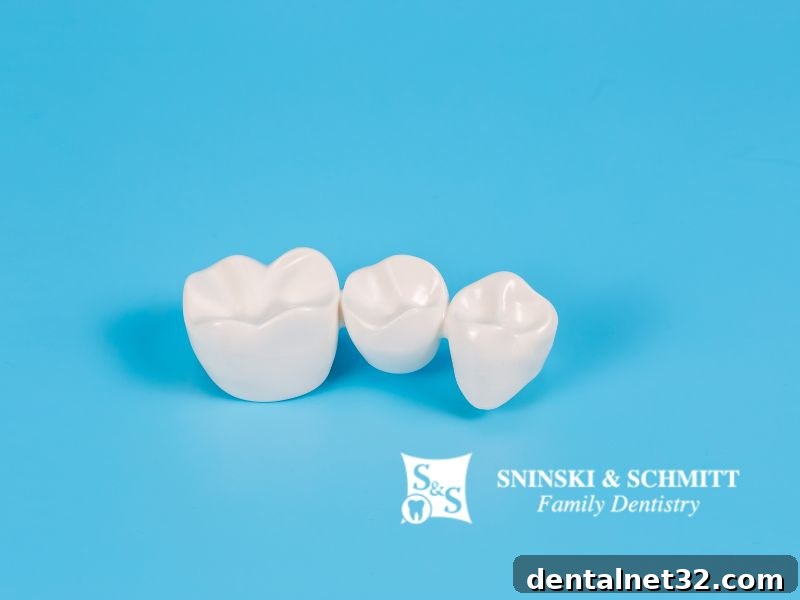
- To Secure a Dental Bridge: A dental bridge, used to replace one or more missing teeth, is anchored in place by crowns placed on the healthy teeth on either side of the gap.
- To Enhance Cosmetic Appearance: For a tooth that is severely stained, discolored, or misshapen, a crown can provide a dramatic cosmetic improvement, creating a natural and beautiful appearance.
- To Complete a Dental Implant: A dental implant is a titanium post that replaces a tooth’s root. A crown is the final component, attached to the implant to serve as the new, functional tooth.
Factors That Influence a Dental Crown’s Lifespan
The durability of a dental crown isn’t determined by a single factor but by a combination of influences. Understanding these can help you and your dentist make the best choices for your oral health. While the average lifespan is 5 to 15 years, many last much longer when conditions are optimal.
Key factors affecting crown longevity include:
- The Crown Material: Different materials have varying levels of strength and durability. Metals like gold are incredibly robust, while certain ceramics offer a blend of strength and aesthetics. The choice of material is one of the most significant factors.
- Your Oral Hygiene Routine: This is paramount. While the crown itself cannot decay, the natural tooth underneath it can. Poor brushing and flossing can lead to plaque buildup at the gumline, causing decay or gum disease that compromises the crown’s foundation.
- Personal Habits (Bruxism): Unconscious teeth grinding or clenching, known as bruxism, places immense pressure on your teeth and crowns. This can cause porcelain or ceramic crowns to chip, crack, or wear down prematurely. Wearing a custom-fitted nightguard is essential for protecting your restorations if you grind your teeth.
- Diet and Chewing Habits: Regularly chewing on hard items like ice, hard candy, or even pen caps can damage a crown just as it can a natural tooth. A diet high in sugar and acid can also contribute to decay around the crown’s margin.
- Location of the Tooth: Crowns on molars at the back of the mouth endure far more chewing force than crowns on front teeth. Molars are more likely to require stronger materials to withstand this pressure over time.
- The Dentist’s Skill and Fit: The success of a crown begins with the dentist. A precise preparation of the tooth and an accurate impression or digital scan lead to a perfectly fitting crown. A crown that fits poorly can leave gaps where bacteria can enter, or it can create bite problems, leading to premature failure.
- The Health of the Underlying Tooth: A crown placed on a strong, healthy tooth with good bone support will naturally last longer than one placed on a tooth that is already severely compromised.
A Closer Look at Crown Materials and Their Durability
The material used to create your crown has a direct impact on its strength, appearance, and lifespan. Your dentist will recommend the best option based on the tooth’s location, your aesthetic preferences, and your budget.
Lifespan of Gold and Metal Alloy Crowns
Gold and other metal alloys are the gold standard for durability. Because metal is strong and malleable, these crowns require less removal of the natural tooth structure. They are highly resistant to chipping, breaking, and wear. With proper care, a gold crown can easily last for 20 years, 30 years, or even a lifetime. Their only drawback is their metallic appearance, which is why they are typically used for less visible back molars.
Lifespan of Porcelain-Fused-to-Metal (PFM) Crowns
PFM crowns offer a compromise between the strength of metal and the aesthetics of porcelain. They have a metal substructure for durability, which is then covered with a layer of tooth-colored porcelain. PFM crowns have a solid track record and typically last between 10 to 15 years. They are a good choice for both front and back teeth. A potential downside is that the metal base can sometimes show as a dark line at the gumline, especially if the gums recede.
Lifespan of All-Porcelain and All-Ceramic Crowns
These crowns provide the most natural and aesthetically pleasing results, making them an excellent choice for front teeth. Modern ceramics are much stronger than they used to be, but they are still more brittle than metal. Their lifespan is generally between 5 and 15 years. They can be prone to chipping under heavy biting forces, so they may not be the ideal choice for molars in patients who grind their teeth.
Lifespan of Zirconia Crowns
Zirconia is a type of ceramic that is exceptionally strong, often described as “ceramic steel.” It offers superior durability, rivaling that of metal crowns, while also providing excellent, tooth-colored aesthetics. Zirconia crowns are highly resistant to chipping and wear, making them suitable for any tooth in the mouth, including molars. With proper maintenance, a zirconia crown can easily last 15 to 20 years or a lifetime.
Lifespan of Composite Resin Crowns
Composite resin crowns are the least expensive option. However, they are also the least durable. They are more susceptible to wear, fractures, and staining compared to other materials. Their average lifespan is shorter, typically around 5 to 7 years. They are often considered a more temporary solution before a permanent crown can be placed.
When Does a Dental Crown Need to Be Replaced?
Even the best crown will eventually need replacement. It’s important to recognize the signs of failure to prevent further damage to the underlying tooth.
- Visible Damage: Obvious chips or large cracks in the crown are a clear sign it needs replacement. A damaged crown can have sharp edges that irritate your tongue or cheek and can create openings for bacteria to invade the tooth underneath.
- Excessive Wear: If you grind your teeth, the chewing surface of the crown can wear down over time, affecting your bite alignment.
- Pain or Sensitivity: New or worsening pain, discomfort, or sensitivity around a crowned tooth can indicate a problem. It might mean the crown is loose, there is new decay underneath, or the nerve of the tooth is irritated.
- A Loose Crown: If your crown feels wobbly or loose, the cement holding it in place has likely washed out. This requires immediate attention to prevent bacteria from causing significant decay in the unprotected tooth.
- Receding Gum Line: If the gums recede around the crown, it can expose the margin where the crown meets the tooth. This can be aesthetically unpleasing and create an area where plaque can accumulate.
How to Extend the Life of Your Dental Crown
The longevity of your dental crown is largely in your hands. By adopting a few simple habits, you can significantly extend its lifespan and protect your investment.
- Practice Impeccable Oral Hygiene: Brush your teeth thoroughly twice a day for two minutes, and pay special attention to the area where the gum meets the crown. Floss at least once a day to remove plaque from between the teeth and under the gumline.
- Attend Regular Dental Check-ups: Visit your dentist every six months for a professional cleaning and examination. Your dentist can spot potential issues with your crown, such as small cracks or signs of leakage, before they become major problems.
- Protect Against Grinding: If you clench or grind your teeth (bruxism), ask your dentist about a custom-made nightguard. This appliance creates a protective barrier between your upper and lower teeth, absorbing the pressure and preventing damage to your crowns and natural teeth.
- Be Mindful of Your Diet: Avoid chewing on extremely hard substances like ice, popcorn kernels, and hard candies. Also, be careful with very sticky foods like caramels, which can potentially pull a crown loose.
- Don’t Use Your Teeth as Tools: Refrain from using your teeth to open packages, cut tape, or bite your nails. These habits can easily chip or break a crown.
By understanding these factors and committing to excellent oral care, you can ensure your dental crown remains a healthy, functional, and beautiful part of your smile for years to come.