
Understanding Oral Inflammation: The Hidden Link to Your Dental Health
You might be surprised to learn that a wide range of common oral health problems, from tender gums to persistent cavities, can be traced back to a single root cause: inflammation. While often associated with systemic conditions affecting the body and gut, inflammation inside your mouth is a powerful force that can lead to issues like gum disease, canker sores, and even accelerate tooth decay. Inflammation is your body’s essential defense mechanism—an immune response to injury, infection, or irritation. However, when this natural response becomes prolonged or chronic, it can turn against you, damaging healthy cells and tissues instead of protecting them.
Understanding the dual nature of inflammation is key to maintaining excellent oral and overall health. It helps explain why you might face recurring dental issues despite a diligent oral hygiene routine. In this comprehensive guide, we will explore the science behind inflammation, how it transitions from a helpful healing process to a destructive force in your mouth, and the specific oral health problems it can cause. More importantly, we will outline effective strategies to prevent and manage its negative effects, empowering you to take control of your dental well-being.
What Exactly Is Inflammation? A Closer Look
At its core, inflammation is your body’s first responder. When you experience an injury or infection, your immune system dispatches white blood cells to the affected area. This rapid response is designed to fight off harmful invaders like bacteria and begin the healing process. This initial, short-term reaction is known as acute inflammation, and it produces the classic signs we all recognize: redness, heat, swelling, and pain. A sprained ankle or a paper cut are perfect examples of beneficial, acute inflammation at work.
The problem arises when the inflammatory response doesn’t turn off. This persistent, low-grade state is called chronic inflammation. Instead of healing, the body remains in a constant state of alert, and the same chemicals and cells meant to protect you begin to damage healthy tissues. This chronic state is a major contributing factor to many serious diseases, including heart disease, arthritis, and diabetes, and it plays a significant role in oral health decline.
From Protective Response to Persistent Problem in the Mouth
Your mouth is a dynamic ecosystem, home to a complex microbiome of hundreds of different bacterial species. In a healthy, balanced state, most of these microorganisms are harmless or even beneficial. However, when oral hygiene falters, bacteria can accumulate to form a sticky biofilm known as plaque, particularly along the gumline. This buildup triggers the immune system to launch an inflammatory attack.
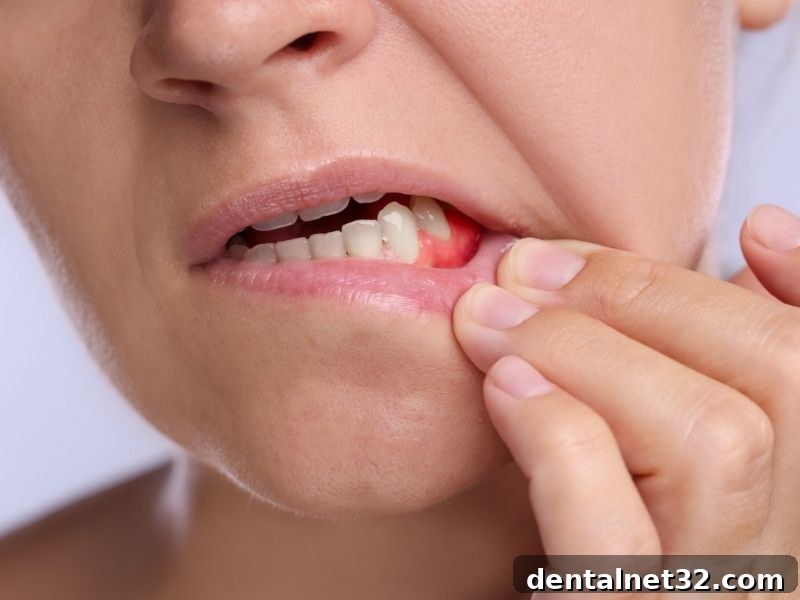
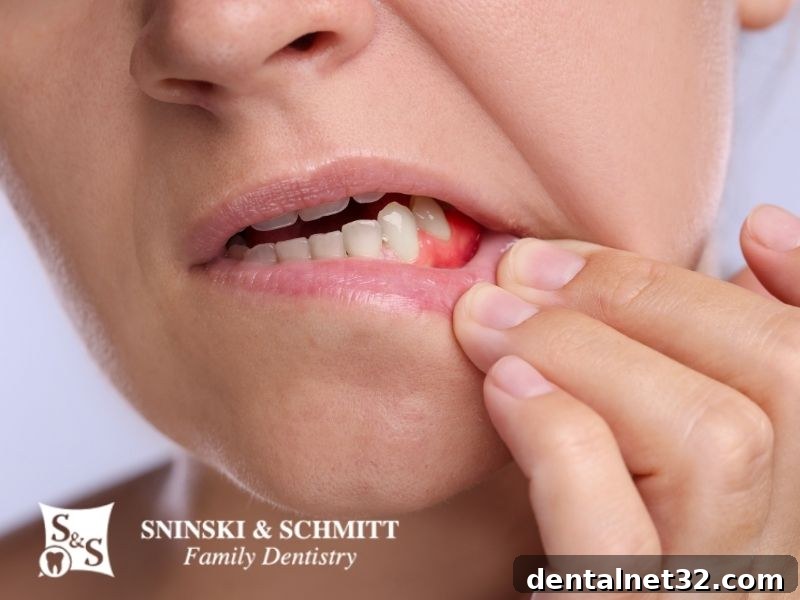
Initially, this response is protective. If you accidentally bite your cheek or burn the roof of your mouth, inflammation helps heal the damaged tissue. This general inflammation of the mouth’s soft tissues is known as stomatitis. It can manifest as canker sores, redness, and pain that makes eating or speaking difficult. When it’s localized to the gums, it’s called gingivitis, and on the tongue, it’s glossitis. The initial signs of this protective response include:
- Swelling in the affected area
- Redness or a darker coloration of the tissue
- Minor bleeding, especially when brushing
- Tenderness or soreness to the touch
- An increase in fluid that makes tissues appear puffy
This acute inflammation is meant to be temporary. Once the irritant is removed—for example, through thorough brushing and flossing—the inflammation should subside, and the tissues should heal. However, if the bacterial plaque is not consistently removed, the immune system remains activated, leading to a state of chronic, harmful inflammation that can cause irreversible damage.
How Chronic Inflammation Leads to Gum Disease
Gum disease is a primary example of inflammation’s destructive potential. It doesn’t appear overnight but progresses through distinct stages, beginning with a reversible condition and advancing to a severe one if left untreated.
Stage 1: Gingivitis
Gingivitis is the earliest and mildest form of gum disease. It occurs when plaque buildup at the gumline irritates the surrounding tissues, causing chronic low-level inflammation. At this stage, the damage is not permanent. The bone and connective tissues holding the teeth in place are still intact. With a professional dental cleaning and a commitment to improved daily oral hygiene, gingivitis is completely reversible. Common signs of gingivitis include:
- Gums that bleed easily when you brush or floss
- Red, swollen, or puffy gums
- Persistent bad breath (halitosis)
- Gums that feel tender or sore
Stage 2: Periodontitis
When gingivitis is not addressed, the persistent inflammation triggers a more aggressive immune response. The body’s inflammatory chemicals, intended to fight the infection, begin to break down the very structures that support your teeth. This condition is known as periodontitis. The transition from gingivitis to periodontitis marks the point where the damage becomes irreversible. The gums start to pull away from the teeth, creating deep pockets where more bacteria can hide and thrive, safe from your toothbrush and floss. As the condition worsens through its five stages, the following occurs:
- Gums recede and form deep pockets around the teeth.
- The ligaments and bone that support the teeth are progressively destroyed.
- Teeth may become loose, shift, and eventually fall out or require extraction.
The progression from reversible gingivitis to destructive periodontitis can take months or even years, depending on factors like genetics, lifestyle, and overall health. However, the underlying mechanism is the same: an unchecked inflammatory response to bacterial plaque.
The Surprising Role of Inflammation in Cavities and Tooth Decay
We typically associate cavities with sugar and acid-producing bacteria. While this is accurate, inflammation plays a crucial, often overlooked role in accelerating the process. The inflammatory response triggered by gum disease releases destructive enzymes and chemicals that don’t just target bacteria—they can also weaken and break down the mineral structure of your teeth. This makes your teeth more vulnerable to the acid produced by plaque bacteria. Furthermore, inflammation can reduce the production of saliva, which is your mouth’s primary natural defense against decay. Saliva neutralizes acids and helps wash away food particles. A dry, inflamed mouth creates the perfect environment for cavities to form and progress rapidly.
Inflammation, Bad Breath, and Oral Pain
Persistent bad breath, or halitosis, is another common consequence of oral inflammation. The deep pockets formed during periodontitis become breeding grounds for anaerobic bacteria, which release foul-smelling volatile sulfur compounds as they break down trapped food particles and cellular debris. The inflammation itself also leads to bleeding and increased fluid, providing more fuel for these odor-causing microbes.
Many forms of oral pain are also directly linked to inflammation. When the inner nerve of a tooth (the pulp) becomes inflamed due to deep decay or trauma, it results in a painful condition called pulpitis. A dental abscess is a severe infection characterized by intense inflammatory pressure, causing significant pain. Even canker sores are essentially small, inflamed ulcers. Inflammation amplifies pain signals by increasing blood flow and sensitizing nerve endings, which is why even a small area of irritation can feel intensely uncomfortable.
The Mouth-Body Connection: Oral Inflammation and Systemic Health
Perhaps the most critical reason to manage oral inflammation is that its effects are not confined to the mouth. Chronic gum disease creates an entry point for harmful bacteria and inflammatory chemicals to enter your bloodstream. Once circulating throughout your body, these agents can trigger widespread, systemic inflammation, contributing to a host of serious health conditions. This established link between oral and overall health, known as the oral-systemic connection, is a major area of medical research. Strong associations have been found between periodontal disease and:
- Cardiovascular Disease: Inflammation can damage blood vessels and contribute to the formation of arterial plaques, increasing the risk of heart attack and stroke.
- Diabetes: The relationship is a two-way street. Diabetes makes individuals more susceptible to gum disease, and the inflammation from gum disease can make it harder to control blood sugar levels.
- Respiratory Infections: Bacteria from the mouth can be inhaled into the lungs, potentially causing pneumonia and other respiratory conditions.
- Adverse Pregnancy Outcomes: Severe gum disease has been linked to premature birth and low birth weight.
How Dentists Diagnose and Treat Oral Inflammation
Treating oral inflammation effectively requires addressing its root cause. A dental professional is trained to identify the source of the inflammation and create a tailored treatment plan. The primary goal is to remove the bacterial irritants and allow the gum tissues to heal.
Professional Dental Treatments
- Professional Cleanings: Regular cleanings are essential for removing plaque and hardened tartar (calculus) that cannot be removed at home.
- Deep Cleaning (Scaling & Root Planing): For patients with periodontitis, this procedure involves cleaning deep below the gumline to remove bacteria and tartar from the tooth roots, allowing the gums to reattach.
- Laser Therapy: Advanced laser technology can be used to remove infected tissue, reduce bacteria, and promote faster, more comfortable healing.
- Medicated Rinses: In some cases, an antimicrobial mouthwash like chlorhexidine may be prescribed to control bacterial levels during the healing process.
Essential Home Care and Lifestyle Adjustments
Professional treatment is only one part of the solution. Your dentist will also provide guidance on home care to prevent inflammation from recurring:
- Impeccable Oral Hygiene: A consistent routine of brushing twice a day and flossing daily is non-negotiable for controlling plaque.
- Anti-Inflammatory Diet: Consuming a diet rich in antioxidants, vitamins, and Omega-3 fatty acids can help combat inflammation. This includes fruits, vegetables, fatty fish, and whole grains, while limiting sugar and processed foods.
- Proper Hydration: Drinking plenty of water helps maintain saliva flow, which naturally cleanses the mouth.
- Stress Management: Chronic stress can weaken the immune system and exacerbate inflammation, so finding healthy ways to manage stress is beneficial.
Take Control of Your Oral Health Today
Inflammation is a key player in your oral and overall health. By recognizing its early warning signs—such as red, swollen, or bleeding gums—you can take proactive steps to address it before it leads to more serious problems. Regular dental checkups are your first line of defense, allowing professionals to detect and treat inflammation in its earliest stages. If you are experiencing any signs of oral inflammation or are due for a checkup, don’t wait for the issue to worsen.