
A radiant smile is often associated with bright, white teeth, but the true foundation of oral health lies in the gums. Healthy gums are crucial for securing your teeth, protecting the sensitive roots from bacteria, and supporting the overall structure of your mouth. While we frequently discuss sugary snacks and staining foods, our Cary dentists believe it’s essential to spotlight the direct impact of diet on gum health. The same daily practices—brushing, flossing, and regular dental checkups—that protect your teeth are also your gums’ first line of defense.
Certain foods and drinks, however, can undermine these efforts by promoting harmful bacteria, causing irritation, and leading to inflammation. This can escalate into painful conditions and increase your risk of gum disease, such as gingivitis or periodontitis. Understanding which foods pose the greatest threat is a powerful step toward preserving your oral health. To guide you, we’ve created a comprehensive list of the worst foods for your gums and why you should consider reducing or eliminating them from your diet.
Top Foods to Eliminate for Optimal Gum Health
Some items in your diet offer minimal nutritional value while posing a significant threat to your gum tissue. For the sake of your long-term oral wellness, these are the foods and drinks you should actively avoid or significantly reduce.
Sugary Sodas & Sports Drinks
It’s no secret that sodas and sports drinks are laden with sugar, a primary culprit in dental decay. But their negative effects extend deep into your gum health. The bacteria thriving in dental plaque consume these sugars and, as a byproduct, release acids. This process, known as an “acid attack,” directly damages tooth enamel and severely irritates the delicate gum tissue. Compounding the problem, these beverages are already highly acidic, creating an environment where harmful bacteria can flourish and cause inflammation.
You might think that switching to diet soda is a safe alternative, but that’s a common misconception. While they lack sugar, diet sodas are often just as acidic, containing substances like phosphoric acid and citric acid that can erode gum tissue and enamel over time. When you feel thirsty, the best choice for your entire body, especially your gums, is always water. It helps rinse away food particles and neutralizes harmful acids.
Sticky, Gummy, and Hard Candies
Candy, in its many forms, is essentially concentrated sugar. However, certain types are particularly destructive to your gums. Gummy bears, caramels, taffy, and other sticky candies are notorious for getting lodged in the tiny crevices between your teeth and along the gumline. This prolonged contact essentially coats your teeth and gums in sugar, providing a continuous feast for acid-producing bacteria. This sustained bacterial activity can quickly lead to gum inflammation, receding gums, and the onset of gingivitis.
Hard candies like lollipops or peppermints present a different but equally serious problem. They dissolve slowly in the mouth, bathing your teeth and gums in a sugary, acidic solution for an extended period. This constant exposure weakens your gums and makes them more susceptible to infection. If you crave a sweet treat, consider chewing a piece of sugar-free gum containing xylitol, which can help reduce bacteria. A small piece of dark chocolate is also a better option, as it melts quickly and can be easily rinsed away with water.
Refined Breads and Simple Starches
Many are surprised to learn that foods made from refined white flour—such as white bread, crackers, and potato chips—can be just as damaging to gum health as candy. During the refining process, complex carbohydrates are stripped away, leaving simple starches that your saliva quickly breaks down into simple sugars. As you chew these foods, they form a soft, sticky paste that clings to the gumline and gets trapped between teeth. This starchy residue becomes a readily available food source for the same bacteria that feed on sugar, leading to plaque buildup and gum irritation.
To protect your gums, opt for whole-grain alternatives. Whole wheat bread, brown rice, and oatmeal are made of more complex carbohydrates that break down slowly. Their fibrous texture also helps to gently scrub away plaque from tooth surfaces as you chew, actively contributing to a cleaner, healthier mouth.
Foods to Consume with Caution for Gum Protection
Not all problematic foods need to be eliminated entirely. Some offer significant health benefits but can cause irritation if consumed improperly or in excess. For these items, moderation and post-consumption care are key.
Acidic Tomatoes and Tomato-Based Sauces
Tomatoes are a fantastic source of vitamins and the powerful antioxidant lycopene. However, they are also highly acidic. This acidity can irritate sensitive gum tissue, and in some cases, contribute to the formation of canker sores. For individuals with already sensitive gums, frequent consumption of raw tomatoes or concentrated tomato sauces can lead to discomfort and inflammation. You don’t have to give them up completely. A simple strategy is to pair acidic foods with neutral or alkaline foods. Enjoying tomatoes with mozzarella cheese, chicken, or whole-wheat pasta can help neutralize the acid and minimize its impact on your gums.
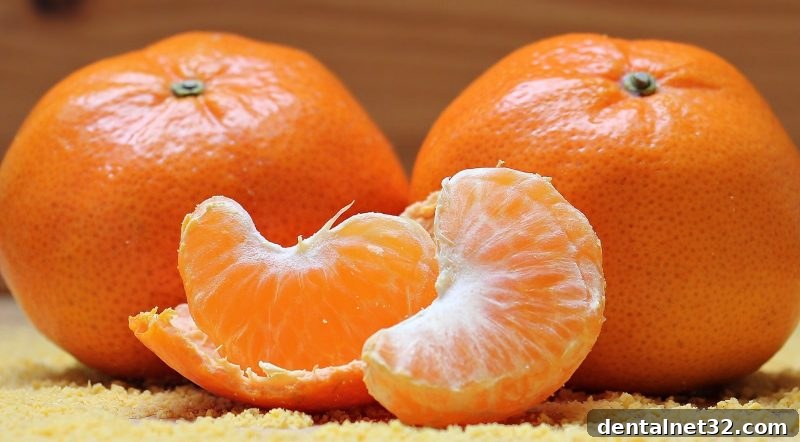
Oranges and Other Citrus Fruits
Like tomatoes, citrus fruits such as oranges, grapefruits, lemons, and limes are celebrated for their high vitamin C content, which is vital for collagen production and gum tissue repair. Despite this benefit, their potent combination of high acidity and natural sugars can be harsh on your gums and tooth enamel. The acid can soften enamel, making the area near the gumline more vulnerable to decay and recession. Instead of eliminating them, consume citrus fruits in moderation. After eating an orange or drinking lemon water, rinse your mouth thoroughly with plain water to wash away residual acids and sugars. It’s also wise to wait at least 30 minutes before brushing to allow your enamel to reharden.
Popcorn and Foods with Hard Husks
Popcorn can be a double-edged sword for oral health. The fluffy, popped kernels can have a mildly abrasive quality that helps scrub plaque from teeth. The danger, however, lies in the unpopped kernels and, more frequently, the thin, hard husks. These small, sharp pieces can easily become lodged between a tooth and the gumline. When a husk gets stuck, it can cause significant irritation, inflammation, and even lead to a painful localized infection known as a gingival abscess. If you choose to enjoy popcorn, be diligent about your oral hygiene afterward. Floss carefully and rinse your mouth vigorously with water to ensure no fragments are left behind. Steer clear of varieties coated in sugar or caramel, which add another layer of risk.
Take Proactive Steps for Your Gum Health with Our Cary Dentists
Your gums are the bedrock of your oral health, and protecting them requires a proactive approach that combines a mindful diet with excellent hygiene. By being aware of the foods that can cause harm and prioritizing those that support tissue health, you can significantly reduce your risk of gum disease. Remember that consistent brushing, daily flossing, and regular professional cleanings are non-negotiable for removing plaque and tartar that you can’t manage at home. We want to be your partner in achieving and maintaining a healthy, vibrant smile.
To learn more or to schedule a comprehensive dental examination, please contact our team. Give our dentists in Cary a call at (919) 467-2203 or reach out to our Holly Springs dentist office at (919) 600-6262. You can also use our convenient online contact form to request an appointment today.