
Oral Thrush: A Comprehensive Guide to Causes, Symptoms, and Treatment
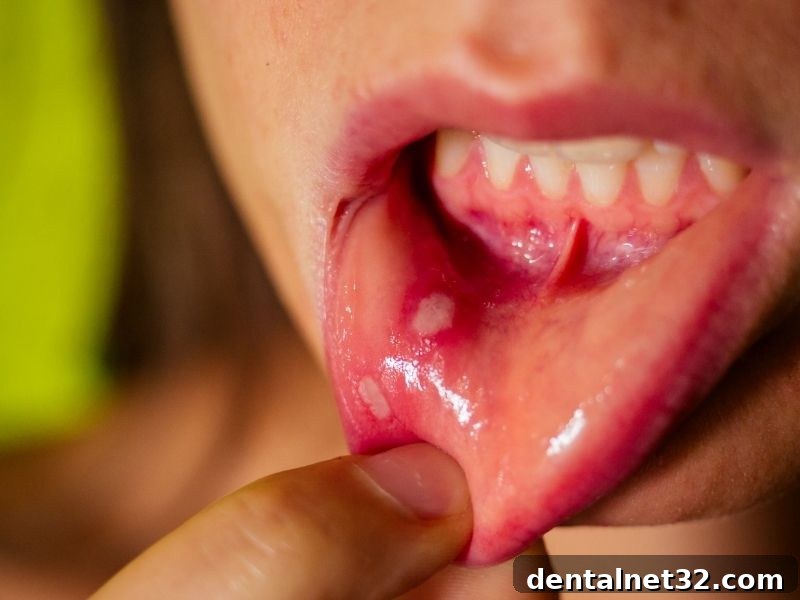
Have you ever noticed creamy white patches on your tongue, inner cheeks, or the roof of your mouth that resemble cottage cheese? If so, you might be experiencing a common condition known as oral thrush. While discovering these symptoms can be alarming, it’s important to understand that oral thrush is typically a manageable and treatable condition. This guide provides a detailed look into what oral thrush is, its underlying causes, how to identify its symptoms, and the most effective ways to treat and prevent it.
Oral thrush, medically termed oral candidiasis or oropharyngeal candidiasis, is a fungal infection that develops in the mouth. It is caused by an overgrowth of a yeast-like fungus called Candida albicans. While it might sound unsettling, small amounts of the Candida fungus are naturally present in the mouths and digestive systems of most healthy individuals. Usually, the body’s immune system and beneficial bacteria keep this yeast in check. However, when this delicate balance is disrupted, Candida can multiply uncontrollably, leading to the telltale signs of an infection.
This condition can affect anyone, but it is most frequently seen in babies, toddlers, and older adults, particularly those who wear dentures or have compromised immune systems. Certain health conditions and medications can also significantly increase your risk. Understanding the factors that contribute to this fungal overgrowth is the first step toward effective prevention and treatment.
Recognizing the Symptoms of Oral Thrush
Oral thrush often develops suddenly, and its symptoms can range from mild to severe. The most classic sign is the appearance of creamy white, slightly raised lesions in the mouth. These patches can be found on the tongue, inner cheeks, gums, tonsils, or even the roof of your mouth. Trying to wipe them away may reveal red, inflamed tissue that can sometimes bleed slightly.
Beyond the visible white patches, individuals with oral thrush may experience a variety of other symptoms. A comprehensive list includes:
- Redness and Soreness: The mouth and throat can feel sore, leading to a burning sensation that makes eating and swallowing difficult or painful.
- A Cotton-Like Sensation: Many people describe a feeling of having cotton balls in their mouth.
- Loss of Taste: The infection can interfere with your taste buds, leading to a partial or complete loss of taste.
- Cracking at the Corners of the Mouth: Redness and cracking at the corners of your lips, a condition known as angular cheilitis, can also be a symptom.
- Pain Under Dentures: For denture wearers, the area beneath the dentures can become particularly red, irritated, and painful.
- Difficulty Swallowing: In more severe cases, the infection can spread down into the esophagus, the tube leading from your throat to your stomach. This condition, called Candida esophagitis, can cause significant pain and a sensation that food is getting stuck in your throat.
In infants, oral thrush may present as unusual fussiness, difficulty feeding, or a refusal to nurse or take a bottle due to mouth discomfort. They can also pass the infection to their mothers during breastfeeding, resulting in a painful yeast infection on the nipples.
What Causes the Candida Overgrowth? Key Risk Factors
The development of oral thrush is fundamentally about a disruption of the natural balance of microorganisms in your body. Several factors can trigger this imbalance, allowing the Candida fungus to flourish. Understanding these risk factors is crucial for prevention.
- Weakened Immune System: A healthy immune system is your body’s primary defense against infections. Conditions that weaken immunity, such as HIV/AIDS, cancer, or receiving an organ transplant, make you more susceptible to oral thrush. Treatments like chemotherapy and radiation therapy also suppress the immune system, creating an opportunity for Candida to overgrow.
- Medications: Certain medications are common culprits. Broad-spectrum antibiotics, for instance, can kill off the “good” bacteria that normally keep Candida levels in check. Corticosteroids, especially inhaled ones used for asthma, can also lead to oral thrush if proper mouth-rinsing procedures are not followed after use.
- Diabetes Mellitus: Uncontrolled or poorly managed diabetes often results in high blood sugar levels. Since yeast feeds on sugar, excess glucose in your saliva can create a perfect breeding ground for Candida.
- Dentures: Wearing dentures, especially if they are not cleaned properly or do not fit well, can increase the risk of oral thrush. Dentures can create warm, moist environments where yeast can thrive, and constant rubbing can irritate the mouth’s tissues, making them more vulnerable to infection.
- Dry Mouth (Xerostomia): Saliva plays a vital role in oral health by washing away food particles and inhibiting microbial growth. A lack of saliva, whether due to a medical condition like Sjögren’s syndrome or as a side effect of certain medications, can contribute to the development of thrush.
- Smoking: Smoking damages the lining of the mouth and can compromise your local immune response, making it easier for infections like oral thrush to take hold.
- Age Extremes: Infants have underdeveloped immune systems, and older adults may have a naturally declining immune function, putting both groups at a higher risk.
Effective Treatment Options for Oral Thrush
The good news is that oral thrush is usually straightforward to treat. The primary goal of treatment is to stop the rapid spread of the fungus and restore the natural balance within your mouth. Treatment plans are typically tailored to your age, overall health, and the severity of the infection.
The standard treatment involves antifungal medications, which come in several forms:
- Topical Antifungals: For mild to moderate cases, your dentist or doctor will likely prescribe a topical medication. These are applied directly to the affected areas in the mouth and include lozenges (clotrimazole), gels, or liquid rinses (nystatin). You typically use these several times a day for 7 to 14 days.
- Oral Antifungal Medications: If the infection is more severe, has spread to the esophagus, or if you have a compromised immune system, a systemic antifungal medication may be necessary. These come in tablet or capsule form (such as fluconazole) and are usually taken once a day. These medications work throughout your entire body to fight the infection.
While effective, some antifungal medications can have side effects, including nausea, vomiting, or abdominal pain. It is essential to complete the full course of medication as prescribed, even if your symptoms improve quickly, to ensure the infection is completely eradicated.
Proactive Prevention: How to Keep Oral Thrush at Bay
Prevention is always better than cure. By adopting some simple yet effective oral hygiene and lifestyle habits, you can significantly reduce your risk of developing oral thrush. The following strategies are key to maintaining a healthy oral environment:
- Practice Excellent Oral Hygiene: Brush your teeth at least twice a day with a fluoride toothpaste and floss daily. This helps remove plaque and food debris that can feed yeast.
- Maintain Your Dentures: If you wear dentures, remove them every night. Clean them thoroughly with a non-abrasive denture cleaner, then soak them overnight in a proper solution. This prevents fungal buildup. Also, ensure your dentures fit correctly to avoid irritation.
- Rinse Your Mouth Regularly: After meals, rinse your mouth with water. If you use a corticosteroid inhaler, be sure to rinse your mouth with water and spit it out immediately after each use to wash away any residual medication.
- Manage Underlying Health Conditions: If you have diabetes, work with your doctor to keep your blood sugar levels under control. Proper management is one of the most effective ways to prevent thrush.
- Stay Hydrated: Drink plenty of water to combat dry mouth. If dry mouth persists, talk to your dentist about saliva substitutes or other remedies.
- Limit Sugar and Yeast-Containing Foods: A diet high in sugar can encourage Candida growth. Reducing your intake of sugary foods and drinks can help maintain a healthy oral balance.
- Quit Smoking: If you smoke, quitting is one of the best things you can do for your oral and overall health, including reducing your risk of infections.
- Schedule Regular Dental Checkups: Visit your dentist regularly for cleanings and checkups. Professional cleanings help maintain oral health, and your dentist can spot the early signs of issues like oral thrush before they become more serious.
When to Seek Professional Medical Care
While many cases of oral thrush are mild, it’s crucial not to ignore the symptoms. You should schedule an appointment with your dentist or doctor if you suspect you have oral thrush, especially if:
- Your symptoms are severe, painful, or interfere with your ability to eat.
- The symptoms persist for more than two weeks despite home care.
- The infection frequently returns after treatment.
- You have a weakened immune system due to a medical condition or medication.
A dental professional can provide an accurate diagnosis, often just by a visual examination, and prescribe the appropriate antifungal treatment to resolve the infection quickly and effectively. Prompt treatment not only alleviates discomfort but also prevents the infection from spreading and causing more serious complications. If you believe you are experiencing symptoms of oral thrush, seeking a professional evaluation is the most reliable path to relief and recovery.