
Cavity vs. Stain: How to Tell the Difference and Protect Your Smile
When you look in the mirror and notice a dark spot on your tooth, it’s natural to feel a wave of concern. Is it a harmless stain from your morning coffee, or is it the beginning of a cavity? This is one of the most common questions dentists hear, and for a good reason. While they can look similar at first glance, a tooth stain and a cavity are fundamentally different issues with very different implications for your oral health.
Understanding the distinction is crucial. A stain is primarily a cosmetic issue, affecting the color of your tooth’s surface. A cavity, on the other hand, is a sign of tooth decay—a disease process that creates structural damage and can lead to serious complications if left untreated. This comprehensive guide will walk you through everything you need to know about cavities and stains, helping you identify the likely culprit and take the right steps to maintain a healthy, beautiful smile.
Understanding Tooth Stains: A Cosmetic Concern
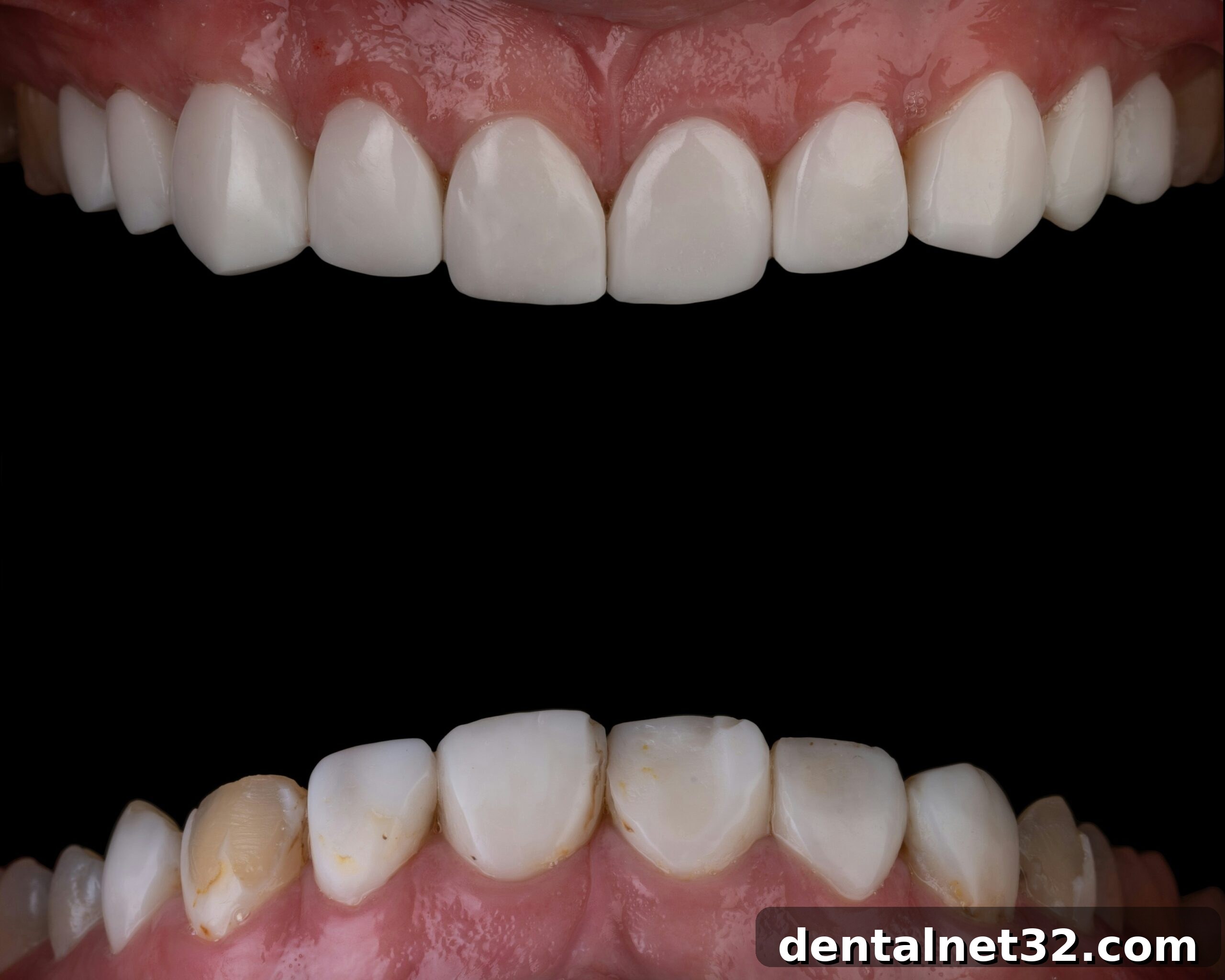
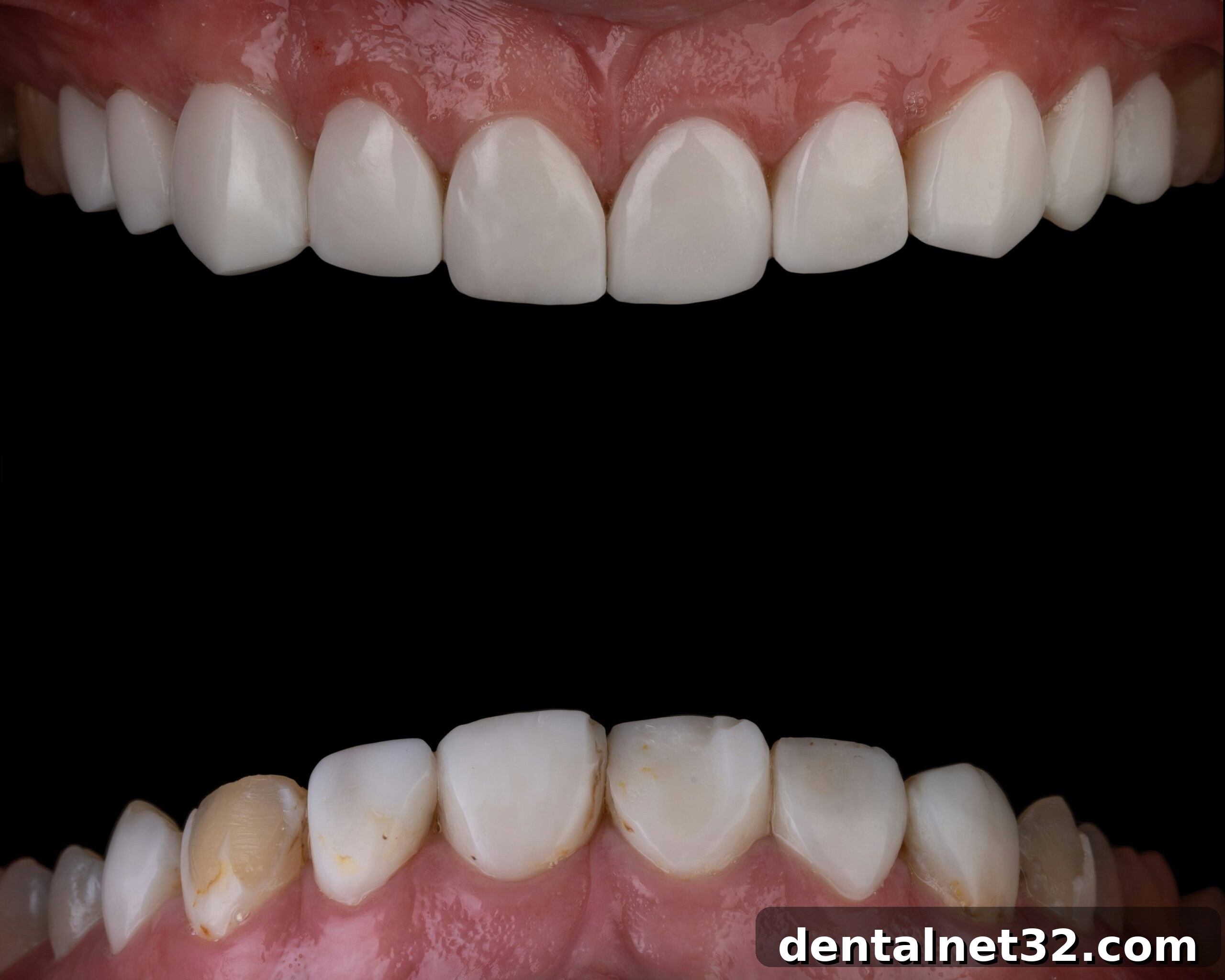
A tooth stain, also known as tooth discoloration, is any change in the natural shade of your teeth. It doesn’t compromise the integrity or structure of the tooth itself; it simply alters its appearance. Stains can make teeth appear yellow, brown, gray, or even have small black spots, which is why they are often confused with cavities.
What Causes Tooth Stains?
Tooth stains are not all the same. They are generally categorized into three main types based on their origin. Understanding these categories can help you identify the source of your discoloration.
- Extrinsic Stains: These are the most common type of stains and affect the outer layer of the tooth, the enamel. They are caused by chromogens—pigmented molecules found in certain foods and drinks—that attach to the tooth’s surface. Common culprits include coffee, tea, red wine, dark sodas, berries, and tomato sauce. Tobacco use, whether smoking or chewing, is also a major cause of stubborn extrinsic staining.
- Intrinsic Stains: These stains occur from within the tooth, affecting the dentin, which is the sensitive layer beneath the enamel. Because they are internal, they are much more difficult to remove. Intrinsic stains can be caused by various factors, including trauma to a tooth that damages the nerve, overexposure to fluoride during childhood (fluorosis), or the use of certain medications, such as tetracycline antibiotics, during tooth development.
- Age-Related Stains: As we age, our teeth naturally change color due to a combination of factors. First, the outer layer of enamel thins over time, revealing more of the naturally yellowish dentin underneath. Second, a lifetime of consuming staining foods and drinks leads to an accumulation of extrinsic stains. This combination often results in a gradual yellowing or darkening of the smile.
Understanding Cavities: A Sign of Tooth Decay
A cavity, medically known as dental caries, is not just a spot—it is a permanently damaged area in the hard surface of your tooth that develops into a tiny opening or hole. It’s the result of tooth decay, a process that occurs over time and actively destroys the structure of your tooth. Unlike a stain, a cavity is a health issue that requires professional dental treatment.
How Does a Cavity Form?
The formation of a cavity is a multi-step process driven by bacteria in your mouth. Here’s how it happens:
- Plaque Formation: Your mouth is full of bacteria, most of which are harmless. However, when you consume sugary and starchy foods or drinks, the harmful bacteria feed on these sugars and form a sticky, colorless film called plaque. If not removed, plaque hardens into tartar, which is much more difficult to clean.
- Acid Attack: The bacteria within the plaque produce acids. These acids attack the minerals in your tooth’s hard outer enamel. This initial stage of mineral loss is called demineralization.
- Enamel Breakdown: Over time, the repeated cycles of acid attacks cause the enamel to erode. You may notice a small white spot on your tooth at this stage, which is an early sign of decay.
- Cavity Creation: As the decay process continues, the acid eats through the enamel and creates a hole—a cavity. If left untreated, the decay can progress deeper into the tooth, reaching the dentin and eventually the pulp, which contains nerves and blood vessels, leading to significant pain and infection.
How to Tell the Difference: Key Distinctions Between a Cavity and a Stain
While only a dentist can give you a definitive diagnosis, there are several key indicators you can look for to help differentiate between a harmless stain and a potentially harmful cavity.
1. Appearance and Color
Stains often appear as a uniform discoloration across the tooth’s surface. They can be yellowish or brownish and typically cover a broader area. A cavity, in its early stages, might look like a chalky white spot. As it progresses, it can turn light brown, dark brown, or black. Crucially, a cavity often looks more like a distinct spot or a small pit rather than a widespread discoloration.
2. Surface Texture
This is a major difference. Run your tongue over the suspicious area. A tooth stain will feel smooth, just like the rest of your tooth surface. A cavity, however, involves the physical breakdown of enamel. The area might feel rough, jagged, or you might even be able to feel a small hole or indentation with your tongue.
3. Pain and Sensitivity
A tooth stain is purely cosmetic and will not cause any physical sensation. It is completely painless. A cavity, on the other hand, often leads to symptoms as it progresses. You may experience tooth sensitivity to hot, cold, or sweet foods and drinks. As the decay nears the nerve, you might feel a dull ache or sharp, spontaneous pain, especially when biting down.
4. Progression Over Time
A stain might darken slightly over time, but its size and shape will generally remain stable. A cavity is an active disease process; it will get larger and deeper if not treated. A small dark spot that grows over several months is a strong indication that you’re dealing with decay, not just a stain.
Prevention: A Proactive Approach for a Healthy Smile
The good news is that the best practices for oral hygiene help prevent both stains and cavities. A consistent routine is your best defense against most common dental problems.
- Brush and Floss Daily: Brush your teeth for two minutes, twice a day, with a fluoride toothpaste. Floss at least once daily to remove plaque and food particles from between your teeth and under the gumline, where a toothbrush can’t reach.
- Limit Sugary and Staining Foods: Reduce your intake of sugary snacks, sodas, and acidic drinks. When you do consume staining foods and beverages like coffee or berries, try to rinse your mouth with water afterward to wash away pigments and sugars.
- Stay Hydrated with Water: Drinking plenty of water helps neutralize acids and wash away food debris. Saliva is your mouth’s natural defense, and staying hydrated ensures healthy saliva production.
- Schedule Regular Dental Checkups: Visit your dentist every six months for a professional cleaning and examination. Cleanings remove stubborn plaque and tartar and can polish away many surface stains. Exams allow your dentist to spot cavities in their earliest, most treatable stages.
Treatment Options for Stains and Cavities
Because stains and cavities are different problems, they require different solutions. It’s essential to get a professional diagnosis to ensure you receive the correct treatment.
Treating Tooth Stains
If your discoloration is a stain, your dentist may recommend one of several cosmetic treatments:
- Professional Teeth Cleaning: A routine dental cleaning can remove many extrinsic stains caused by food and plaque.
- Teeth Whitening: For more persistent stains, professional teeth whitening (bleaching) can lighten the shade of your teeth significantly.
- Dental Bonding or Veneers: For deep, intrinsic stains that don’t respond to whitening, your dentist might suggest cosmetic solutions like dental bonding (applying a tooth-colored resin) or porcelain veneers to cover the discolored tooth.
Treating Cavities
Treating a cavity involves removing the decayed portion of the tooth and restoring its structure:
- Fillings: This is the most common treatment for cavities. The dentist drills out the decay and fills the space with a material like composite resin or amalgam.
- Crowns: If the decay is extensive and a large portion of the tooth has been lost, a dental crown (or cap) may be needed to cover and protect the remaining tooth structure.
- Root Canal Therapy: When the decay has reached the inner pulp of the tooth, a root canal may be necessary to remove the infected pulp, clean the canal, and save the tooth from extraction.
- Extraction: In cases of severe decay where the tooth cannot be saved, it may need to be removed completely.
When in Doubt, See Your Dentist
While understanding these differences is helpful, it is never a substitute for a professional evaluation. Self-diagnosing can be risky; what you assume is a simple stain could be an early-stage cavity that needs immediate attention. The sooner a cavity is treated, the simpler, less invasive, and less expensive the treatment will be.
If you notice any dark spot, discoloration, or sensitivity in your mouth, don’t wait. Schedule an appointment with your dentist. A quick examination can provide a clear diagnosis and a personalized treatment plan to ensure your smile remains healthy and strong for years to come.