
More Than Just a Cleaning: 6 Surprising Health Problems Your Dentist Can Detect
When you schedule a visit with your dentist, you are likely thinking about cavities, plaque, and getting a professional cleaning. While these are essential components of oral hygiene, your dental check-up is much more than a simple tooth service. Your mouth is a critical window into your overall health, and a trained dentist can identify early warning signs of serious systemic diseases long before other symptoms become apparent. Think of your dentist not just as a tooth doctor, but as a key partner in your comprehensive healthcare team. During a routine examination, they can perform vital health screenings that could save your life. Let’s explore the crucial health conditions your dentist can help detect.
1. Comprehensive Oral Cancer Screening
One of the most critical screenings performed during every dental exam is the check for oral cancer. This is a standard part of the procedure, even if you don’t specifically request it. Early detection is paramount when it comes to oral cancers, as it dramatically improves the prognosis and treatment success rates. According to the Oral Cancer Foundation, the risk increases significantly for adults over 55, particularly those who use tobacco products or consume alcohol heavily. However, it can affect anyone, making regular screenings essential for all adults.
During this screening, your dentist conducts a thorough visual and tactile examination. They will carefully inspect all soft tissues in your mouth, including your lips, the inside of your cheeks, the roof and floor of your mouth, your gums, and both the top and underside of your tongue. They are looking for subtle abnormalities that you might not notice yourself, such as:
- Persistent sores or ulcers that do not heal within two weeks.
- Unusual bumps, lumps, or thickened areas.
- Velvety white, red, or speckled patches (leukoplakia or erythroplakia).
- Unexplained bleeding or numbness in the mouth.
- Difficulty chewing, swallowing, or moving the jaw or tongue.
Your dentist will also gently feel the lymph nodes in your neck and jaw area for any swelling or hardness. If any suspicious area is found, they will discuss the next steps, which may include a follow-up visit to monitor the area or a referral to a specialist for a biopsy.
2. Uncovering Signs of Diabetes
The link between oral health and diabetes is a well-documented two-way street. Uncontrolled diabetes impairs the body’s ability to fight off bacteria, which can lead to severe gum disease (periodontitis). Conversely, serious gum disease can make it more difficult for your body to control blood sugar levels. Your dentist is often one of the first healthcare professionals to spot the signs of undiagnosed or poorly managed diabetes.
If your dentist observes persistent or advanced gum disease that isn’t responding well to treatment, they may suspect an underlying issue like diabetes. Key oral indicators include:
- Advanced Periodontitis: Gums that are swollen, red, and bleed easily.
- Receding Gums: The gums pulling away from the teeth, making them appear longer.
- Loose Teeth: A sign that the infection is affecting the bone that supports your teeth.
- Dry Mouth (Xerostomia): A lack of saliva, which increases the risk of cavities and infections.
- Frequent Infections: Such as oral thrush (a fungal infection).
A distinctive, fruity or acetone-like smell on your breath can also be a sign of high ketone levels, a complication of diabetes. If your dentist notes these symptoms, they will strongly recommend you see your primary care physician for blood glucose testing.
3. Identifying Sleep Apnea and Sleep-Related Breathing Disorders
Do you wake up with a sore jaw, headaches, or sensitive teeth? You might be grinding your teeth at night (a condition called bruxism), and this is a major red flag for obstructive sleep apnea (OSA). Sleep apnea is a serious condition where your breathing repeatedly stops and starts during sleep. This happens when the airway becomes blocked, often by soft tissues in the back of the throat.
Your body’s natural response to a blocked airway is to jolt itself partially awake to resume breathing. This process can trigger intense clenching and grinding of the teeth. Your dentist can spot the tell-tale signs of bruxism, such as:
- Excessive and unusual wear patterns on your teeth.
- Chipped or fractured teeth or fillings.
- An enlarged jaw muscle from constant clenching.
- A scalloped appearance on the sides of your tongue from pressing against teeth.
During the exam, your dentist might also notice a narrow airway, a large tongue, or redness in your throat from heavy snoring. If sleep apnea is suspected, your dentist can refer you to a sleep specialist for a formal diagnosis. Furthermore, dentists can be part of the treatment plan by creating custom-fitted oral appliances that help keep your airway open while you sleep.
4. Recognizing the Impact of Eating Disorders
Eating disorders like bulimia and anorexia wreak havoc on the entire body, and the signs are often starkly evident in the mouth. A dentist can be a crucial, non-judgmental professional who identifies these signs and helps guide a patient toward seeking help. The oral health consequences stem from both direct chemical damage and severe nutritional deficiencies.
For individuals with bulimia, which involves cycles of binging and purging, the frequent exposure to powerful stomach acid causes a specific pattern of tooth erosion. The enamel on the inside surfaces of the front teeth becomes severely worn down and translucent. Other signs include sensitive teeth, dry mouth, and enlarged salivary glands, which can cause puffiness in the cheeks. For those with anorexia, malnutrition can lead to a host of oral problems, including bleeding gums, poor healing, and an increased risk of infections due to a weakened immune system. By identifying these patterns, a dentist can play a vital role in a patient’s interdisciplinary care team.
5. Detecting Osteoporosis and Bone Loss
Osteoporosis is a disease that weakens bones, making them fragile and more likely to break. While it’s commonly associated with the hips and spine, it affects all the bones in your body, including your jawbone. The jawbone (alveolar bone) provides the crucial foundation that anchors your teeth. When it loses density, it can lead to significant dental problems.
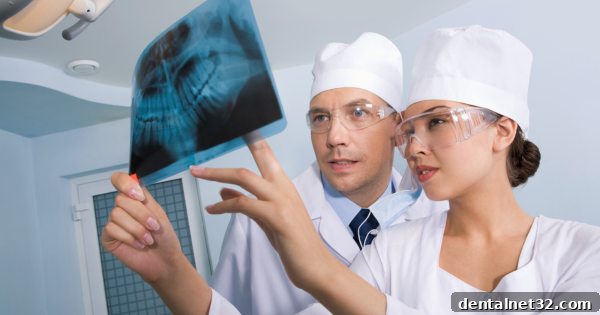
A routine dental X-ray can be an incredibly effective tool for screening for bone loss. Your dentist can compare your X-rays over time to detect a decrease in jawbone density. The signs they look for include:
- Loose Teeth: This can indicate that the supporting bone structure is weakening.
- Ill-Fitting Dentures: As the jawbone shrinks and changes shape, dentures that once fit perfectly may become loose and uncomfortable.
- Receding Gums: While often a sign of gum disease, significant gum recession can also be linked to underlying bone loss.
If your dentist observes significant bone loss in your jaw, it may be an early indicator of osteoporosis throughout your body. They will advise you to consult with your medical doctor for further bone density screening and management.
Schedule Your Comprehensive Dental Exam Today
These are just a few of the critical health screenings your dentist can perform during a routine check-up. Prioritizing your dental appointments is an investment not only in your smile but in your overall health and well-being. A dental exam provides a valuable opportunity to catch potential health issues at their earliest, most treatable stages.
If you’re ready to learn more or want to schedule a comprehensive health screening with a trained and qualified dental team, don’t hesitate to contact Sninski & Schmitt Family Dentistry. We are committed to providing thorough, patient-centered care. With two convenient locations, we’re here to serve you. You can reach our Holly Springs dentist office at (919) 600-6262 or our Cary, NC dentist office at (919) 467-2203. Alternatively, feel free to use our online contact form to schedule an appointment and take a proactive step toward protecting your total health.