
Understanding Root Canal Therapy: A Complete Guide to Saving Your Tooth
The term “root canal” often brings a sense of dread, but modern dentistry has transformed this procedure into a routine, pain-relieving treatment. Root canal therapy is a highly effective dental procedure designed to repair and save a tooth that is badly decayed or has become infected. Instead of losing a valuable tooth, this treatment allows you to keep your natural smile, maintain proper chewing function, and prevent the need for more complex dental work down the line. This guide will walk you through everything you need to know about root canal therapy, from the warning signs to the step-by-step process and aftercare.
What Exactly Is a Root Canal?
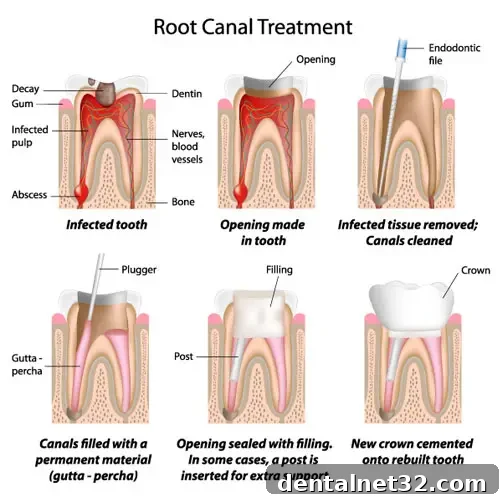
To understand a root canal, you first need to understand the anatomy of a tooth. The outermost layer is the hard, white enamel. Beneath that is a layer called dentin. At the very center of the tooth is a soft tissue chamber called the pulp. This pulp contains blood vessels, nerves, and connective tissue, which are vital for the tooth’s growth and development. The pulp extends from the crown (the visible part of the tooth) down to the tip of the roots through a thin channel—the “root canal.”
When decay, a deep cavity, a crack, or an injury compromises the outer layers of the tooth, bacteria can invade the pulp. This bacterial invasion leads to inflammation and infection. If left untreated, the infection can cause significant pain, lead to an abscess, and eventually destroy the tooth and surrounding bone. Root canal therapy, also known as endodontic treatment, involves removing the infected or inflamed pulp, carefully cleaning and disinfecting the inside of the tooth, and then filling and sealing it to prevent future infection.
Key Signs You Might Need a Root Canal
An infected tooth pulp can’t heal on its own and requires professional intervention. Ignoring the symptoms can lead to more severe complications. If you experience any of the following, it’s crucial to consult your dentist immediately:
- Persistent and Severe Tooth Pain: One of the most common signs is a deep, throbbing pain in the tooth. The pain might be constant or intermittent, and it can intensify when you bite down or apply pressure.
- Prolonged Sensitivity to Hot and Cold: While minor sensitivity is common, a lingering pain that lasts for more than a few seconds after exposure to hot or cold foods and drinks can indicate nerve damage within the pulp.
- Swelling and Tenderness in the Gums: An infection can cause the gums around the affected tooth to become swollen, tender, or discolored. In some cases, a small, recurring pimple-like bump (known as a fistula or abscess) may appear on the gums, which can drain pus from the infection.
- Tooth Discoloration: An infection in the pulp can disrupt the blood supply to the tooth, causing it to darken and take on a grayish or blackish hue. This is a clear sign that the internal tissue is dying or dead.
- Pain When Touching the Tooth: Even a light touch or tap on the tooth can cause sharp pain if the underlying nerves and tissues are inflamed.
- A Chipped or Cracked Tooth: A traumatic injury can expose the pulp to bacteria, leading to infection even if there’s no visible decay.
In some cases, an infected tooth may show no symptoms at all. This is why regular dental check-ups, including x-rays, are essential for catching problems early before they become painful or severe.
The Root Canal Procedure: A Step-by-Step Guide
Contrary to popular belief, the root canal procedure itself is not the source of pain—the infection is. The treatment is designed to relieve that pain. Thanks to modern techniques and effective anesthesia, the process is typically no more uncomfortable than getting a standard filling. The procedure is usually completed in one or two appointments.
Step 1: Diagnosis and Preparation
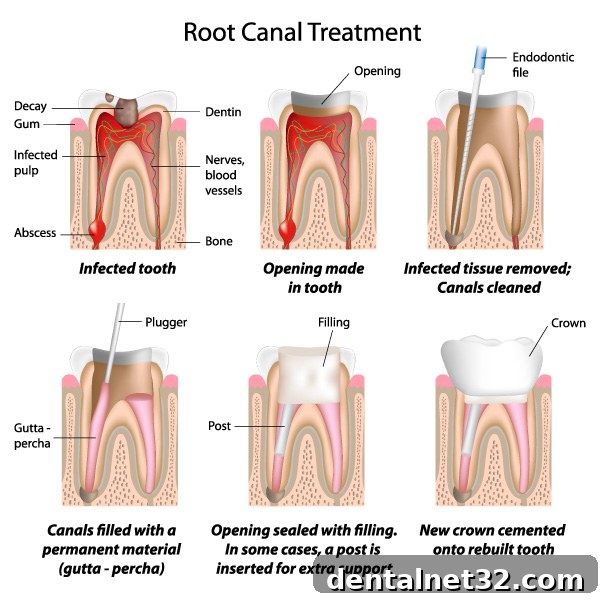
Your dentist or endodontist (a specialist in root canals) will begin by taking digital X-rays of the affected tooth. This allows them to see the shape and length of the root canals and determine the extent of the infection in the surrounding bone. Before starting the treatment, a local anesthetic will be administered to completely numb the tooth and the surrounding area, ensuring you remain comfortable throughout the procedure.
Step 2: Accessing and Cleaning the Pulp Chamber
To keep the area dry and free of saliva, the dentist will place a small protective sheet called a “dental dam” around the tooth. Next, a small opening is carefully drilled into the crown of the tooth to access the pulp chamber. Using a series of tiny, specialized instruments known as root canal files, the dentist will meticulously remove the damaged and infected pulp tissue from both the pulp chamber and the root canals.
Step 3: Disinfecting and Shaping the Canals
Once the pulp has been removed, the inside of the tooth is thoroughly cleaned and disinfected. The dentist will use irrigating solutions, such as sodium hypochlorite, to flush out any remaining bacteria and debris. The canals are then shaped and prepared to be filled.
Step 4: Filling and Sealing the Canals
After the canals are completely clean and dry, they are filled with a biocompatible, rubber-like material called gutta-percha. This material is placed with an adhesive cement to ensure the canals are completely sealed off from any future bacterial invasion. Sealing the canals is a critical step in preventing the infection from returning.
Step 5: Temporary Filling and Restoration
To close the opening in your tooth, a temporary filling is placed. This protects the tooth from food particles and contaminants until a permanent restoration can be made. After a root canal, the tooth is more brittle and susceptible to fracture. Therefore, a permanent restoration, typically a dental crown, is almost always necessary to protect the tooth, restore its strength, and ensure its long-term function and survival. The crown is custom-made to match the color and shape of your other teeth and will be placed at a subsequent appointment.
What to Expect After a Root Canal
After your procedure, it’s normal to experience some mild discomfort and sensitivity for a few days, especially as the anesthetic wears off. This can usually be managed with over-the-counter pain relievers like ibuprofen or acetaminophen. It’s best to avoid chewing on the treated tooth until the permanent restoration is in place. With proper care, a tooth treated with a root canal and restored with a crown can last a lifetime. Good oral hygiene, including brushing, flossing, and regular dental check-ups, is essential for maintaining the health of the restored tooth and your overall smile.
The Benefits of Choosing Root Canal Therapy
While extraction might seem like a simpler option, saving your natural tooth is always the best course of action. The benefits of root canal therapy are significant:
- Pain Relief: It eliminates the source of the infection, providing immediate and lasting relief from severe toothache.
- Preserves Your Natural Tooth: It allows you to keep your tooth, which is better for biting, chewing, and maintaining the natural appearance of your smile.
- Prevents Further Complications: It stops the infection from spreading to other teeth or causing bone loss in the jaw.
- Cost-Effective Solution: It is generally more affordable than the cost of extracting a tooth and replacing it with a bridge, implant, or partial denture.
In conclusion, root canal therapy is a safe, effective, and common dental procedure that saves millions of teeth each year. It is a vital treatment for relieving dental pain and preserving the health and integrity of your natural smile. If you are experiencing symptoms of a tooth infection, don’t hesitate to contact your dentist to see if a root canal is the right solution for you.