
The Surprising Link Between Oral Health and Your Heart: A Deep Dive
Could your daily oral hygiene routine of brushing and flossing do more than just prevent cavities? Could it actually be a life-saving habit? A growing body of scientific research is exploring this very question, uncovering a profound and significant connection between the health of your gums and the health of your heart. What happens in your mouth doesn’t stay in your mouth; it can have far-reaching consequences for your entire body’s well-being, particularly your cardiovascular system.
This article explores the critical relationship between periodontal (gum) disease and heart disease. We will delve into what gum disease is, how the bacteria in your mouth can impact your arteries, and what the latest research reveals about this connection. Most importantly, we will provide actionable steps you can take to protect both your smile and your heart for years to come.
Understanding Periodontal Disease: More Than Just Gums
Before we can understand the link to heart health, it’s essential to grasp what periodontal disease is. It’s not just a minor irritation; it’s a chronic inflammatory condition caused by a buildup of harmful bacteria in your mouth. The process begins with something we all have: plaque.
Plaque is a sticky, colorless film of bacteria that constantly forms on your teeth. When you eat and drink, especially foods high in sugars and starches, the bacteria in plaque produce acids that can attack tooth enamel and irritate the gums. This is where a consistent oral hygiene routine comes into play. By brushing your teeth at least twice a day and flossing once daily, you effectively remove this plaque before it can cause significant damage.
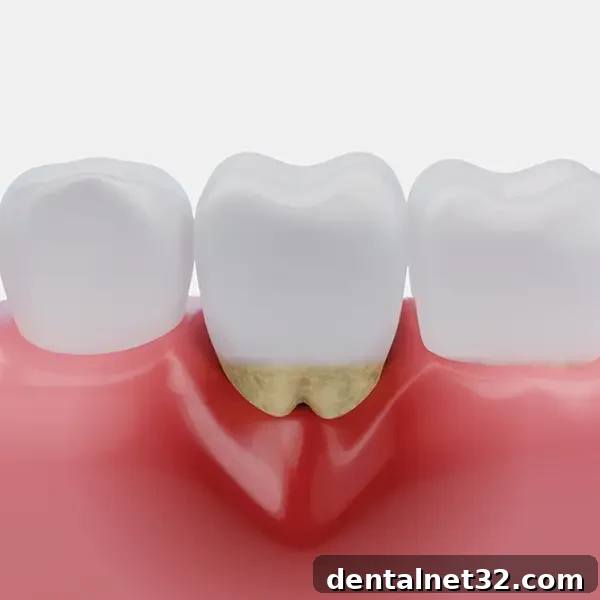
However, if plaque is not removed, it hardens into a substance called tartar (or calculus) in as little as 24 to 48 hours. Tartar cannot be removed by simple brushing and flossing; it requires a professional cleaning by a dentist or dental hygienist. This hardened tartar provides more surface area for plaque to grow and continues to irritate the gum tissue.
From Gingivitis to Periodontitis: The Stages of Gum Disease
Gum disease progresses in stages, and catching it early is key to preventing irreversible damage.
- Gingivitis: This is the earliest and most common stage of gum disease. It is characterized by inflammation of the gums, making them red, swollen, and prone to bleeding, especially when you brush. The good news is that at this stage, the disease is completely reversible with proper oral hygiene and professional dental care. There is no bone or tissue loss yet.
- Periodontitis: If gingivitis is left untreated, it can advance to periodontitis. At this stage, the inflammation becomes more severe. The inner layer of the gum and bone pulls away from the teeth, forming pockets. These small spaces collect debris and can become infected. As your body’s immune system fights the bacteria, the toxins produced by the plaque—along with the body’s own “good” enzymes involved in fighting infections—start to break down the bone and connective tissue that hold teeth in place. If not treated, the pockets deepen, and more gum tissue and bone are destroyed. This can lead to loose teeth and, eventually, tooth loss. In fact, periodontitis is the leading cause of tooth loss in adults.
The Critical Connection: How Oral Bacteria Impact Heart Health
So, how does an infection in your gums lead to problems with your heart? The connection lies in two primary mechanisms: inflammation and the direct spread of bacteria.
The human body is an interconnected system. When your gums are chronically inflamed due to periodontitis, your body is in a constant state of fighting an infection. This triggers an inflammatory response that isn’t just localized to your mouth.
The Role of Systemic Inflammation
The bacterial byproducts from infected gums can enter the bloodstream through the tiny blood vessels in the gum tissue. When these toxins travel throughout your body, they can trigger a systemic inflammatory response. Your liver, for instance, may respond by producing high levels of a substance called C-reactive protein (CRP). CRP is a well-known marker for inflammation throughout the body, and elevated levels of CRP are strongly associated with an increased risk of heart disease.
Chronic inflammation is a primary driver of atherosclerosis, the process where arteries become hardened and narrowed due to the buildup of fatty plaques. This inflammation can damage the lining of the arteries, making it easier for cholesterol and other substances to accumulate, leading to blockages that can cause a heart attack or stroke.
Direct Bacterial Invasion
Beyond just triggering inflammation, the actual bacteria from your mouth can travel through your bloodstream and attach to other parts of your body. Researchers have found oral bacteria, such as Porphyromonas gingivalis, directly within the atherosclerotic plaques in arteries of the heart. These bacteria may contribute directly to the formation of blood clots. A clot can break away, travel to the heart or brain, and trigger a heart attack or stroke.
According to the American Academy of Periodontology, scientific studies have shown that people with periodontal disease are almost twice as likely to suffer from coronary artery disease compared to those with healthy gums. This highlights a clear and statistically significant risk.
Protecting Your Heart Starts with Your Smile: A Proactive Guide
The link between gum disease and heart disease might sound alarming, but the takeaway is empowering. By taking proactive steps to maintain your oral health, you are also taking a crucial step toward protecting your cardiovascular health. A healthy mouth contributes to a healthy body.
Master Your Daily Oral Hygiene Routine
- Brush Properly, Not Powerfully: Brush your teeth for at least two minutes, twice a day. Use a soft-bristled toothbrush and fluoride toothpaste. Angle the brush at 45 degrees to the gum line and use gentle, short, circular strokes. Aggressive brushing can damage your gums. Don’t forget to brush the chewing surfaces, inner surfaces, and your tongue, where bacteria can accumulate.
- Don’t Skip the Floss: Flossing is not optional. It is the only way to remove plaque and food particles from between your teeth and under the gum line, areas your toothbrush cannot reach. Make a “C” shape with the floss around each tooth to ensure you are cleaning the surface effectively.
- Consider a Mouthwash: Using an antimicrobial or antiseptic mouthwash can help reduce bacteria in your mouth, fight plaque, and prevent or reduce gingivitis. Look for a mouthwash with the American Dental Association (ADA) Seal of Acceptance.
The Importance of Professional Dental Care
No matter how diligent you are with your home care, regular visits to your dentist are non-negotiable. It is recommended to have a professional cleaning and check-up at least every six months, or more frequently if advised by your dentist.
During a professional cleaning, the hygienist will remove the hardened tartar that you cannot remove at home. The dentist will perform a thorough examination to detect early signs of gum disease, cavities, and other oral health issues before they become serious problems. If you have risk factors for heart disease, it’s crucial to inform your dentist, as they are a key partner in your overall healthcare team.
Lifestyle Choices for a Healthy Mouth and Heart
- Eat a Balanced Diet: A diet low in sugar and processed foods and rich in vitamins and minerals from fruits, vegetables, and lean proteins is beneficial for both your gums and your heart.
- Avoid Tobacco: Smoking is one of the most significant risk factors for developing gum disease. It also heavily contributes to heart disease. Quitting smoking is one of the best things you can do for your entire body.
- Manage Systemic Conditions: Conditions like diabetes can increase your risk for both gum disease and heart disease. Managing your blood sugar levels is vital for your oral and overall health.
Conclusion: A Shared Responsibility for a Healthier Future
The evidence is clear: your oral health is a window into your overall health. The inflammation and bacteria from untreated gum disease don’t just threaten your teeth; they pose a real and measurable risk to your cardiovascular system. By understanding this connection, you can take control of your health in a new and powerful way.
A consistent routine of brushing, flossing, and regular dental visits is more than just an investment in a beautiful smile. It is a fundamental practice for reducing harmful inflammation, preventing the spread of dangerous bacteria, and supporting a strong, healthy heart. Take your oral health seriously—your life may just depend on it.