
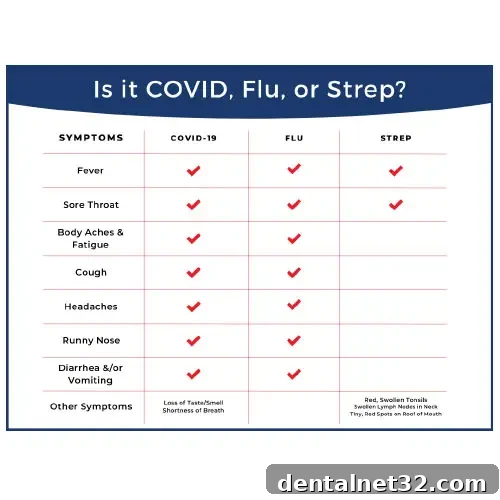
COVID vs. Flu vs. Cold vs. Strep: A Comprehensive Symptom Guide for 2024
As the seasons change and we spend more time indoors, the familiar threat of respiratory illnesses returns. That first tickle in your throat or sudden onset of fatigue can trigger a wave of questions: Is this just a common cold? Could it be the flu? Or is it COVID-19? With overlapping symptoms, distinguishing between these common ailments can be confusing and stressful. This comprehensive guide is designed to help you navigate the nuances of COVID-19, the flu, the common cold, and strep throat, empowering you to understand your symptoms, know when to seek medical advice, and take the right steps toward recovery.
Accurate identification is more than just a matter of curiosity. It’s crucial for effective treatment and for protecting those around you, especially the elderly, infants, and individuals with compromised immune systems who are at a higher risk of severe complications. Let’s break down each illness to provide clarity and peace of mind.
Understanding Each Illness: Causes and Characteristics
Before diving into a side-by-side comparison, it’s helpful to understand the nature of each condition. Three of these are caused by viruses, while one is bacterial, a critical distinction that dictates the appropriate course of treatment.
The Common Cold: A Mild Viral Annoyance
The common cold is a mild viral infection of your nose and throat (the upper respiratory tract). It’s incredibly common and can be caused by more than 200 different viruses, with the rhinovirus being the most frequent culprit. Colds are generally harmless, though they can certainly make you feel unwell for a few days. Symptoms tend to develop gradually over a day or two and are typically less severe than the flu.
- Primary Symptoms: The most classic signs are a runny or stuffy nose (congestion), sneezing, and a sore throat. A mild cough may also be present.
- Fever: Fever is rare in adults with a common cold but can sometimes occur in young children.
- Duration: Most people recover from a common cold in 7 to 10 days.
The Flu (Influenza): The Sudden and Severe Viral Knockout
Influenza, commonly known as the flu, is a contagious respiratory illness caused by influenza viruses. It affects the nose, throat, and sometimes the lungs. The flu can cause mild to severe illness, and at times can lead to serious complications like pneumonia. A key characteristic of the flu is its sudden and intense onset. One moment you might feel fine, and the next you feel like you’ve been hit by a truck.
- Primary Symptoms: High fever, significant body aches and muscle pains, chills, headache, and profound fatigue are hallmark symptoms of the flu. A dry cough and sore throat are also common.
- Stomach Symptoms: While sometimes called the “stomach flu,” influenza is a respiratory disease. However, some people, especially children, may experience vomiting and diarrhea.
- Duration: The flu typically lasts 5 to 7 days, but the feeling of fatigue can linger for weeks.
Strep Throat: The Bacterial Intruder
Unlike the other illnesses on this list, strep throat is a bacterial infection caused by the Streptococcus pyogenes bacteria. It primarily affects the throat and tonsils, causing significant inflammation and pain. Because it’s bacterial, it requires antibiotics for treatment to prevent more serious complications like rheumatic fever. A major clue for strep throat is the presence of a severe sore throat without the typical cold or flu symptoms like a cough or runny nose.
- Primary Symptoms: A very painful sore throat that comes on quickly, pain when swallowing, red and swollen tonsils, sometimes with white patches or streaks of pus. Tiny red spots on the roof of the mouth (petechiae) are also a classic sign.
- Other Symptoms: Fever, headache, and swollen lymph nodes in the neck are common. A cough is notably absent.
- Diagnosis: A doctor can confirm strep throat with a rapid strep test or a throat culture.
COVID-19: The Evolving Viral Pandemic
Caused by the SARS-CoV-2 virus, COVID-19 is a respiratory disease with a remarkably wide range of symptoms, from completely asymptomatic to severe and life-threatening. Its symptoms overlap significantly with both the cold and the flu, which has made self-diagnosis challenging throughout the pandemic. While variants have changed the typical symptom profile over time, some key signs remain.
- Primary Symptoms: Common symptoms include fever or chills, a dry cough, shortness of breath, fatigue, muscle or body aches, and headache. A sore throat and congestion are also very common with recent variants.
- The Telltale Sign: The most unique and defining symptom, particularly with earlier strains, is the new loss of taste or smell (ageusia/anosmia). While less common with newer variants, its presence is a strong indicator of COVID-19.
- Symptom Range: COVID-19 can also present with gastrointestinal symptoms like nausea, vomiting, or diarrhea.
Symptom Comparison Chart: A Quick Reference Guide
To make differentiation easier, here is a side-by-side look at the most common symptoms across all four illnesses.
| Symptom | Common Cold | Influenza (Flu) | Strep Throat | COVID-19 |
|---|---|---|---|---|
| Fever | Rare | Common, often high (100-104°F) | Common | Common |
| Cough | Mild to moderate | Common, usually dry | Rarely present | Common, usually dry |
| Sore Throat | Common, usually mild | Common | Very common, severe pain | Common |
| Runny/Stuffy Nose | Very common | Sometimes | Rare | Common |
| Body Aches | Slight | Common, often severe | Sometimes, mild | Common |
| Headache | Uncommon | Common | Common | Common |
| Fatigue/Weakness | Sometimes, mild | Very common, can be extreme | Sometimes | Very common |
| Loss of Taste/Smell | Rare, due to congestion | Rare | No | Possible, was a key indicator |
| Onset of Symptoms | Gradual | Sudden | Sudden | Gradual |
When to See a Doctor: Diagnosis and Testing
While a symptom chart is helpful, the only way to be certain of your diagnosis is through testing. Self-diagnosing can be risky, especially if you are in a high-risk group. It’s important to contact a healthcare provider if:
- You experience difficulty breathing or shortness of breath.
- You have a persistent high fever that doesn’t respond to fever-reducers.
- You feel chest pain or pressure.
- You experience confusion or severe lightheadedness.
- Your symptoms are severe or are not improving after a week.
Doctors have specific tests to confirm a diagnosis. A throat swab can be used for a rapid strep test, while a nasal swab can test for both influenza and COVID-19, sometimes with a single combined test. An accurate diagnosis ensures you receive the correct treatment and advice on how to prevent spreading the illness.
Treatment and Recovery Strategies
Treatment varies significantly depending on whether the infection is viral or bacterial.
Treating Viral Infections (Cold, Flu, COVID-19)
Antibiotics are completely ineffective against viruses. The treatment for most viral respiratory illnesses focuses on managing symptoms and supporting your body’s immune system as it fights off the infection. Key strategies include:
- Rest: Getting plenty of sleep is crucial for your immune system to function optimally.
- Hydration: Drink lots of fluids like water, broth, or herbal tea to prevent dehydration and help thin mucus.
- Over-the-Counter (OTC) Medications: Pain relievers like acetaminophen or ibuprofen can reduce fever, headaches, and body aches. Decongestants can help with a stuffy nose, and cough suppressants can provide relief.
- Antiviral Medications: For the flu and COVID-19, a doctor may prescribe antiviral drugs (like Tamiflu for the flu or Paxlovid for COVID-19). These medications are most effective when started within the first 48 hours of symptoms and can help reduce the severity and duration of the illness, particularly for high-risk individuals.
Treating Bacterial Infections (Strep Throat)
Because strep throat is caused by bacteria, it is treated with antibiotics, such as penicillin or amoxicillin. It is vital to complete the entire course of antibiotics as prescribed by your doctor, even if you start to feel better. Stopping early can lead to a relapse or cause the bacteria to become resistant.
Prevention: Your Best Defense
The best strategy is to avoid getting sick in the first place. You can significantly reduce your risk of contracting and spreading these illnesses by adopting a few simple habits:
- Get Vaccinated: Annual flu shots and up-to-date COVID-19 vaccines are the most effective ways to prevent severe illness, hospitalization, and death.
- Wash Your Hands: Wash your hands frequently with soap and water for at least 20 seconds, especially after coughing, sneezing, or being in public places.
- Avoid Touching Your Face: Keep your hands away from your eyes, nose, and mouth to prevent germs from entering your body.
- Stay Home When Sick: If you feel unwell, stay home to rest and avoid infecting others.
- Practice Good Respiratory Hygiene: Cover your mouth and nose with a tissue or your elbow when you cough or sneeze.
Conclusion: Navigating Illness with Confidence
Distinguishing between a cold, the flu, strep throat, and COVID-19 can feel daunting, but understanding the key differences in their symptoms, onset, and nature provides a solid foundation for making informed decisions. While the common cold is often a mild inconvenience, the flu, strep, and COVID-19 can have more serious implications. Pay close attention to your body, use this guide as a reference, and never hesitate to consult a healthcare professional for an accurate diagnosis and personalized treatment plan. By staying informed and proactive, you can protect your health and the well-being of those around you.