
A Comprehensive Guide to Improving Your Oral Health: Benefits and Best Practices
Your oral health is a critical component of your overall well-being, yet it’s often overlooked until a problem arises. Making a conscious decision to improve your oral hygiene is not a temporary trend; it’s a lifelong commitment that pays significant dividends. Whether you’re renewing your dedication to excellent dental care or starting fresh after a period of neglect, understanding the profound benefits is the first step toward a healthier, more confident you. A radiant smile is just the beginning.
Taking proactive steps to care for your teeth and gums can prevent a cascade of health issues, save you money on extensive dental procedures, and significantly boost your self-esteem. This comprehensive guide will explore the importance of oral health and detail the remarkable benefits of embracing a better dental care routine this year.
Beyond the Smile: Why Good Oral Health is Non-Negotiable
Maintaining healthy teeth and gums extends far beyond achieving a beautiful smile. Your mouth is the gateway to the rest of your body, and its condition has a direct impact on your systemic health. Let’s delve into the fundamental reasons why oral health is so crucial.
Essential Functions for Daily Life: Your teeth play indispensable roles in everyday functions. They are the primary tools for chewing, initiating the digestive process by mechanically breaking down food. This makes it easier for your stomach and intestines to absorb nutrients. Furthermore, your teeth, tongue, and lips work in concert to form words, making clear speech possible. They also provide vital structural support for your facial muscles, helping to maintain your facial contours and prevent a sunken appearance that can make you look older.
The Mouth-Body Connection: Perhaps the most critical aspect of oral health is its intricate connection to your overall physical health. The mouth is teeming with bacteria, most of which are harmless. However, without proper oral hygiene, harmful bacteria can multiply unchecked. This can lead to oral infections, such as tooth decay and gum disease. The inflammation and bacteria associated with severe gum disease (periodontitis) can enter your bloodstream and travel to other parts of your body, potentially contributing to a range of serious health conditions.
The Top Benefits of Committing to Excellent Oral Hygiene
Embracing a robust oral hygiene routine offers a wealth of advantages with absolutely no downsides. From preventing common dental ailments to safeguarding your long-term health, the rewards are both immediate and enduring. Here are some of the most significant benefits you can expect.
Fortify Your Defenses: Preventing Tooth Decay and Gum Disease
One of the most direct benefits of excellent oral hygiene is the prevention of tooth decay (cavities) and periodontal (gum) disease. These conditions are primarily caused by plaque, a sticky, colorless biofilm of bacteria that constantly forms on your teeth.
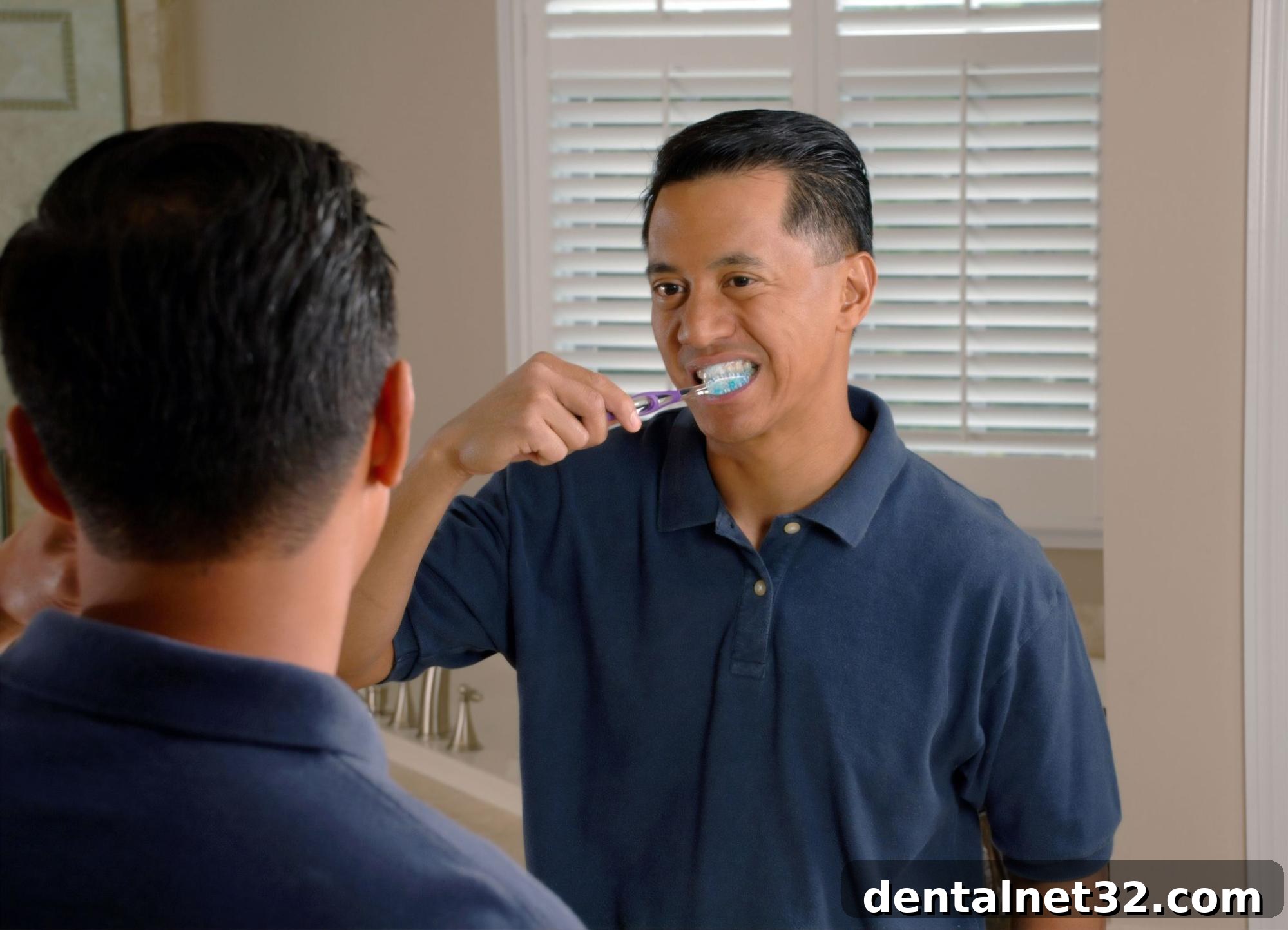
When you consume sugary or starchy foods, the bacteria in plaque produce acids that attack and erode your tooth enamel, the hard outer layer of your teeth. If this process continues, it creates a hole in the tooth, known as a cavity. Regularly brushing with fluoride toothpaste and flossing are your primary weapons against plaque. Brushing physically removes plaque from the surfaces of your teeth, while flossing targets the plaque and food particles trapped between your teeth and under the gumline—areas a toothbrush can’t reach.
If plaque is not removed, it can harden into tartar (or calculus), which can only be removed by a dental professional. Tartar buildup along the gumline can lead to inflammation and irritation, a condition known as gingivitis. This is the earliest, reversible stage of gum disease. If left untreated, gingivitis can progress to periodontitis, a more severe form of gum disease where the gums pull away from the teeth, creating pockets that become infected. This can lead to bone loss, loose teeth, and eventually, tooth extraction.
Achieve Lasting Freshness: Eliminating Bad Breath (Halitosis)
Chronic bad breath, clinically known as halitosis, can be embarrassing and is often a sign of underlying oral health issues. In most cases, it’s caused by the accumulation of food particles and bacteria in the mouth. These bacteria release volatile sulfur compounds, which are responsible for the unpleasant odor.
A consistent routine of brushing and flossing is essential for removing the source of these odors. However, don’t forget your tongue. The tongue’s surface is covered in tiny papillae that can trap bacteria and food debris. Using a tongue scraper or brushing your tongue daily can make a significant difference in freshening your breath.
Another common culprit is dry mouth (xerostomia). Saliva is crucial for oral health; it helps neutralize acids and wash away food particles. When saliva production is low, bacteria can thrive, leading to both bad breath and an increased risk of tooth decay. To combat dry mouth, stay well-hydrated by drinking plenty of water, chew sugar-free gum to stimulate saliva flow, and avoid tobacco and excessive alcohol consumption, which can exacerbate the condition.
The Mouth-Body Connection: Safeguarding Your Overall Health
Without diligent oral habits and routine dental check-ups, minor issues can escalate into major health problems. The inflammation and bacteria from untreated gum disease don’t just stay in your mouth. Research has established compelling links between poor oral health and several serious systemic diseases.
- Heart Disease: Chronic inflammation from periodontitis is linked to an increased risk of cardiovascular problems, including heart disease and stroke. Bacteria from the mouth can enter the bloodstream and contribute to the inflammation and narrowing of arteries.
- Diabetes: The relationship between diabetes and gum disease is a two-way street. People with diabetes are more susceptible to infections, including gum disease. Conversely, severe gum disease can make it more difficult to control blood sugar levels, potentially worsening diabetic complications.
- Respiratory Infections: Bacteria from the oral cavity can be inhaled into the lungs, leading to respiratory infections like pneumonia. This is a particular concern for older adults and individuals with compromised immune systems.
- Pregnancy Complications: Studies have suggested a link between periodontitis in pregnant women and an increased risk of premature birth and low birth weight babies.
Regular dental visits are not just about cleaning teeth; they are a vital part of your preventative healthcare. Your dentist can spot the early signs of disease, not just in your mouth but potentially elsewhere in your body, and address them before they become severe.
Boost Your Confidence: Achieving a Brighter, Whiter Smile
A bright, healthy smile can dramatically improve your confidence and how you interact with the world. Your daily oral care routine is the first step toward maintaining a radiant smile. Brushing helps remove surface stains from common culprits like coffee, tea, red wine, and tobacco.
Professional dental cleanings take this a step further. A dental hygienist uses specialized tools to remove hardened tartar, which often has a yellow or brown appearance, instantly making your teeth look cleaner and brighter. They also polish your teeth to a smooth finish, which helps prevent new plaque from adhering.
For those seeking a more dramatic transformation, a safe, professional teeth whitening procedure can be an excellent option. Unlike over-the-counter products, professional treatments offered by your dentist are more effective and are administered under safe, controlled conditions to protect your gums and minimize sensitivity. Maintaining your bright smile involves continuing good oral hygiene, reducing consumption of staining foods and drinks, and seeing your dentist regularly.
Take Control of Your Dental Health Today
Prioritizing your oral hygiene is one of the best investments you can make in your long-term health and happiness. The benefits—from preventing disease and discomfort to boosting your confidence with a brilliant smile—are undeniable. It begins with simple, consistent daily habits and is supported by regular professional care.
Comprehensive dental care encompasses everything from routine exams and cleanings to more advanced cosmetic and restorative treatments. By partnering with a dedicated dental team, you can create a personalized plan to achieve and maintain optimal oral health for years to come. Don’t wait for a problem to arise. Take the first step toward a healthier you by scheduling a comprehensive dental examination and cleaning with your local dental provider today.