
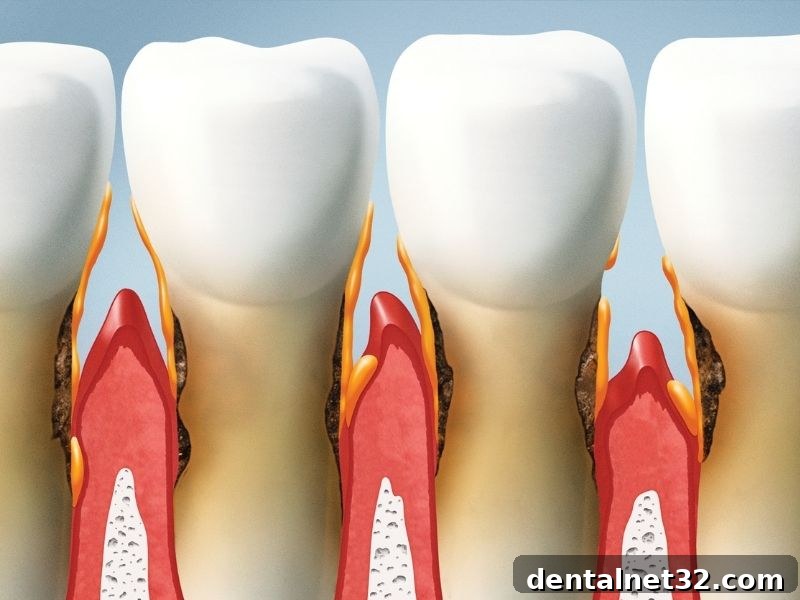
Gum recession is a common dental issue where the gum tissue surrounding the teeth pulls back or wears away, exposing more of the tooth or its root. This can create small pockets between the teeth and gum line, making it easy for disease-causing bacteria to build up. If left untreated, the supporting tissue and bone structures of the teeth can be severely damaged, which may ultimately result in tooth loss. Understanding the signs, causes, and treatments for receding gums is the first step toward protecting your smile and overall oral health.
Because gum recession occurs gradually, many people don’t realize they have it until it becomes more severe. Regular dental checkups are crucial for early detection. A dentist can identify the initial signs and recommend a course of action to prevent further damage. In this comprehensive guide, we will explore the tell-tale signs of gum recession, delve into its numerous causes, and outline the effective prevention strategies and treatment options available to restore your gum health.
Key Signs and Symptoms of Gum Recession
Recognizing the symptoms of gum recession is vital for seeking timely treatment. While some signs are visually apparent, others are felt as sensations of pain or sensitivity. The process is often slow and painless in its early stages, making it easy to overlook. If you notice any of the following symptoms, it is highly recommended to schedule an evaluation with your dentist to determine the cause and the best course of action.
- Visibly Exposed Tooth Roots: This is the most definitive sign of gum recession. You may notice that your teeth appear longer than they used to. The portion of the tooth that becomes visible is the root, which is typically a bit yellower than the white enamel of the crown.
- Increased Tooth Sensitivity: The roots of your teeth are not covered by hard enamel. Instead, they are covered by a layer called cementum, which is much softer. When roots are exposed, they are highly sensitive to hot, cold, sweet, or acidic foods and drinks. You might also feel a sharp pain during brushing or a dental cleaning.
- Pain or Discomfort Along the Gum Line: The affected gum area may feel tender, sore, or painful, particularly when you eat or brush your teeth. This discomfort is often a sign of inflammation in the gum tissues.
- Red, Swollen, or Bleeding Gums: Healthy gums are firm, pink, and do not bleed. If your gums are red, puffy, or bleed easily when you brush or floss, it could be a sign of gingivitis, the earliest stage of gum disease, which is a primary cause of gum recession.
- Persistent Bad Breath (Halitosis): The pockets that form due to gum recession can harbor bacteria that produce unpleasant odors. Even with regular brushing, you might find that you have persistent bad breath, which is a common indicator of underlying gum issues.
- Loose Teeth: In advanced stages, gum recession can be accompanied by the destruction of the underlying bone that supports the teeth. As this support structure weakens, you may feel that one or more of your teeth are loose or shifting.
- Changes in Your Bite: As teeth become loose or shift their position due to the loss of gum and bone support, you might notice that your teeth don’t fit together the way they used to when you bite down.
- A Notch Near the Gum Line: You may be able to feel a small dent or “notch” with your fingernail or tongue right where the gum line meets the tooth. This is where the enamel ends and the exposed root begins.
What Causes Gums to Recede?
Gum recession can be caused by a variety of factors, ranging from poor oral habits to genetic predisposition. Identifying the root cause is essential for effective treatment and prevention of future issues. While inadequate oral hygiene is a frequent culprit, it’s not the only reason gums may pull away. Prompt diagnosis can help you and your dentist create a targeted plan to stop the progression and protect your oral health for the long term.
Periodontal Disease
The leading cause of gum recession is periodontal (gum) disease. This bacterial infection destroys gum tissue and the supporting bone that holds your teeth in place. It begins as gingivitis, characterized by inflamed gums, and if left untreated, it progresses to periodontitis. In this advanced stage, the gums pull away from the teeth, creating deep pockets where more bacteria can thrive, accelerating tissue and bone loss.
Aggressive Brushing Habits
While brushing is essential, doing it too hard or with a hard-bristled toothbrush can do more harm than good. Aggressive brushing can physically wear away the enamel on your teeth and cause the delicate gum tissue to recede over time. It’s a mechanical trauma that can affect even those with excellent oral hygiene.
Genetics and Inadequate Dental Care
Some people are simply more susceptible to gum disease due to their genetics. Studies show that a significant portion of the population may be predisposed to gum recession, regardless of how well they care for their teeth. On the other hand, insufficient brushing, flossing, and rinsing with an antibacterial mouthwash allow plaque to build up and harden into tartar, a substance that can only be removed with a professional cleaning and which leads directly to gum recession.
Lifestyle and Other Contributing Factors
- Tobacco Use: Smokers and users of chewing tobacco are far more likely to have sticky plaque that is hard to remove, which can lead to gum recession. Tobacco use also compromises the blood supply to the gums, hindering their ability to heal.
- Teeth Grinding (Bruxism): Clenching or grinding your teeth, especially during sleep, puts excessive force on your teeth. This pressure can cause the gum tissue to recede over time.
- Misaligned Teeth or Bite: When teeth do not come together evenly, too much force can be placed on the gums and bone in certain areas, leading to recession. Orthodontic treatment can sometimes contribute to this as well.
- Lip or Tongue Piercings: Jewelry in the mouth can constantly rub against the gums, irritating the tissue and causing it to wear away over time.
How Dentists Diagnose and Treat Gum Recession
A diagnosis of gum recession is typically made during a routine dental examination. Your dentist will use a small measuring instrument called a periodontal probe to check the depth of the pockets around each tooth. In a healthy mouth, the pockets measure between 1 and 3 millimeters. Pockets of 4 millimeters may indicate gingivitis, while depths of 5 millimeters or more often signify periodontitis and significant recession. While gum tissue does not grow back, modern dental treatments can successfully stop the progression and restore the health and appearance of your gums.
Effective Nonsurgical Treatments
For mild cases of gum recession, less invasive treatments are often sufficient. The primary goal is to address the underlying cause and thoroughly clean the affected area.
- Deep Cleaning (Scaling and Root Planing): This two-part procedure is the cornerstone of treating early-stage gum disease. Scaling involves carefully removing all the plaque and tartar from above and below the gum line. Root planing smooths out the tooth roots, which helps the gums reattach to the teeth and makes it more difficult for bacteria to accumulate.
- Improved Oral Hygiene Instruction: Your dentist or hygienist can demonstrate proper, gentle brushing techniques and effective flossing to prevent further damage. Switching to a soft-bristled toothbrush is often recommended.
- Dental Bonding: To cover an exposed root, your dentist can apply a tooth-colored composite resin. This can reduce sensitivity and improve the tooth’s appearance, protecting the root from decay.
- Topical Antibiotics: Following a deep cleaning, your dentist may apply an antibiotic gel directly into the pockets between your teeth and gums to eliminate any remaining harmful bacteria.
Surgical Solutions: Gum Graft Surgery
For more advanced cases of gum recession, surgery may be necessary to restore the lost tissue. A gum graft is the most common and predictable procedure for this purpose, typically performed by a periodontist (a gum specialist).
In this procedure, the periodontist takes a small piece of tissue, either from the roof of your mouth or from a sterilized donor source, and carefully stitches it over the area of recession. This graft covers the exposed root, reduces sensitivity, and helps prevent further bone loss and recession. The procedure is minimally invasive and has a very high success rate in restoring a healthy and aesthetically pleasing gum line.
Preventing Gum Recession: A Proactive Approach
While some factors like genetics are beyond your control, you can take many steps to significantly reduce your risk of developing or worsening gum recession. Prevention is always the best strategy for maintaining excellent oral health.
- Practice Gentle and Thorough Oral Hygiene: Brush your teeth twice a day for two minutes with a soft-bristled toothbrush and fluoride toothpaste. Use gentle, circular motions instead of aggressive back-and-forth scrubbing.
- Floss Daily: Flossing removes plaque and food particles from between your teeth and under the gum line, where your toothbrush cannot reach.
- Attend Regular Dental Checkups: Visit your dentist at least twice a year, or as recommended. Professional cleanings remove tartar buildup, and regular exams allow for early detection of any issues.
- Quit Tobacco Products: Avoiding smoking and chewing tobacco is one of the best things you can do for your gum health and overall health.
- Wear a Mouthguard: If you grind or clench your teeth, ask your dentist about a custom-fitted nightguard to protect your teeth and gums from excessive force.
- Eat a Balanced Diet: A healthy diet rich in vitamins and minerals supports your immune system and helps maintain healthy gum tissue.
Take Action for Your Gum Health Today
If you have noticed that your teeth look longer, feel sensitive, or if you are experiencing any other symptoms discussed in this article, it is important not to ignore them. Receding gums can be a sign of underlying health issues that require professional attention. By scheduling an appointment with your dentist, you can receive a thorough assessment and a personalized treatment plan to address any dental or gum problems. Early intervention is key to halting the progression of gum recession and preserving your natural smile for years to come.