
Beyond Sugar: How Acidic Foods and Drinks Silently Damage Your Teeth
For years, we’ve understood the link between sugar and cavities. It’s a fundamental lesson in dental health. However, another, more subtle culprit is often overlooked: acid. Many common foods and beverages contain high levels of acid that can lead to significant dental problems. This process, known as tooth erosion, involves the gradual wearing away of your tooth’s protective outer layer, the enamel. Unlike cavities, erosion isn’t caused by bacteria; it’s a direct chemical attack on your smile.
Understanding the risks and taking preventive measures is crucial for long-term oral health. Regular dental checkups and cleanings are your first line of defense, allowing your dentist to spot the early signs of erosion before they become severe. In this comprehensive guide, we’ll explore the science behind acid’s effect on your teeth, identify the common dietary sources of acid, and provide actionable strategies to protect your enamel and preserve your healthy smile.
Understanding Acidity: The pH Scale and Your Mouth’s Natural Balance
To grasp how acid damages teeth, it’s helpful to understand the pH scale. This scale, ranging from 0 to 14, measures how acidic or alkaline a substance is. A pH of 7 is considered neutral—pure water is a perfect example. Anything below 7 is acidic, while anything above 7 is alkaline. The lower the pH number, the stronger the acid.
Your mouth has its own delicate pH balance. A healthy, resting mouth maintains a saliva pH between 6.5 and 7.5, which is in the neutral range. In this state, your teeth are safe and stable. However, every time you consume something acidic, the pH level in your mouth plummets. When the pH drops below a critical point, approximately 5.5, the environment becomes hostile to your teeth. This acidic state triggers a process called demineralization, where essential minerals like calcium and phosphate are leached directly from your tooth enamel, leaving it softer and weaker.
The Science of an Acid Attack: How Enamel Breaks Down
Your tooth enamel is the hardest substance in the human body, but it is not invincible. Its primary defense is your saliva, which works tirelessly to neutralize acids and replenish lost minerals in a process called remineralization. After an acidic meal or drink, saliva gradually restores the mouth’s pH to a neutral level. This natural cycle of demineralization and remineralization happens daily.
The problem arises from frequent and prolonged acid exposure. If you constantly sip on soda, snack on citrus fruits throughout the day, or suffer from conditions like acid reflux, your saliva simply can’t keep up. The periods of demineralization start to outpace the periods of remineralization. This constant acidic assault prevents the enamel from fully recovering and hardening, leading to a net loss of tooth structure over time. This cumulative damage is what we call tooth erosion.
The Consequences of Tooth Erosion: More Than Just a Surface Problem
Tooth erosion is a progressive condition with several tell-tale signs and symptoms. As the enamel wears away, it can lead to a cascade of dental issues that affect both the appearance and function of your teeth.
Weakened and Sensitive Teeth
Initially, enamel erosion may go unnoticed. As it progresses, the enamel thins, making teeth weaker and more susceptible to chipping and cracking. More significantly, the erosion exposes the underlying layer of the tooth, called dentin. Dentin is a porous, yellowish tissue filled with microscopic tubules that lead directly to the tooth’s nerve center. When exposed, these tubules allow hot, cold, sweet, or acidic substances to stimulate the nerve, resulting in sharp, sudden tooth sensitivity and pain.
Increased Risk of Tooth Decay
While acid itself doesn’t create cavities, it creates the perfect environment for them to develop. The bacteria responsible for tooth decay thrive in acidic conditions and feed on sugars to produce even more acid. Weakened, demineralized enamel is much easier for these bacteria to penetrate, accelerating the formation of cavities.
Discoloration and Aesthetic Changes
Enamel is naturally translucent, with a whitish hue. The dentin beneath it is naturally yellow. As the enamel layer becomes thinner due to erosion, more of the yellow dentin shows through, causing the teeth to appear dull, yellow, or discolored. In advanced cases, the edges of the front teeth may look transparent or grayish.
Changes in Tooth Shape
Severe and prolonged erosion can physically alter the shape and texture of your teeth. You might notice small dents or “cups” forming on the chewing surfaces of your molars. The edges of your teeth can become rounded and smooth, and existing fillings may appear raised as the surrounding tooth structure erodes away from them.
Dietary Culprits: High-Acid Foods and Drinks to Watch Out For
Many popular and otherwise healthy foods can be surprisingly acidic. Awareness is key to managing your intake and mitigating the risk of tooth erosion. Here are some of the most common offenders:
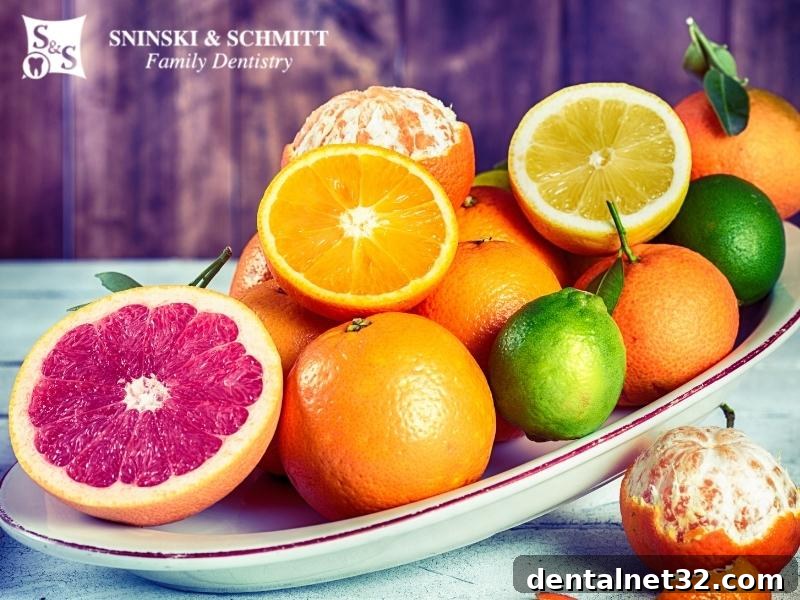
- Citrus Fruits: Lemons, limes, grapefruits, and oranges are notoriously acidic. Lemon water, while popular, can be particularly damaging if sipped throughout the day.
- Other Fruits and Juices: Apples, grapes, peaches, pomegranates, blueberries, and pineapples, along with their juices, are also high in acid.
- Sodas and Carbonated Drinks: All soft drinks, including diet versions, are extremely acidic due to carbonic acid. This acid is used to create carbonation and gives drinks their signature fizz.
- Sports and Energy Drinks: These are often loaded with citric acid for flavor, making them a major contributor to enamel erosion, especially when consumed during physical activity when the mouth is dry.
- Wine: Both red and white wine are acidic, with white wine typically being slightly more so.
- Tomato Products: Tomatoes, tomato sauces, ketchup, and salsas are acidic and can soften enamel.
- Vinegar-Based Products: Salad dressings, pickles, and other foods containing vinegar have a very low pH.
Building a Stronger Smile: Low-Acid Foods to Prioritize
Balancing your diet with low-acid, tooth-friendly foods can help neutralize acids and provide the minerals needed for remineralization. Focus on incorporating these foods that help build strong teeth and gums:
- Water: Plain water, especially fluoridated tap water, is the best beverage for your teeth. It helps rinse away food particles and neutralize acids.
- Dairy Products: Milk, cheese, and plain yogurt are low in acid and rich in calcium and phosphates, which help rebuild enamel. Cheese is particularly effective at stimulating saliva flow.
- Lean Proteins: Fish, poultry, tofu, and beans are excellent sources of phosphorus, a key mineral for dental health.
- Vegetables: Most fresh vegetables are low in acid, especially leafy greens like spinach and kale, as well as broccoli, asparagus, peas, and potatoes.
- Low-Acid Fruits: Choose less acidic fruits like bananas, mangoes, papayas, and melons (cantaloupe, honeydew, watermelon).
- Whole Grains: Breads, rice, and oats are low in acid and a healthy part of a balanced diet.
Actionable Strategies to Protect Your Teeth from Acid Erosion
You don’t need to eliminate all acidic foods from your diet, but you can take strategic steps to minimize their impact. Maintaining good oral hygiene and adopting smart dietary habits are essential:
- Limit Grazing and Sipping: Consume acidic foods and drinks with meals rather than snacking or sipping on them throughout the day. This limits the duration of the acid attack on your teeth.
- Rinse Immediately: After consuming something acidic, rinse your mouth thoroughly with plain water to help wash away the acid and restore a neutral pH more quickly.
- Wait Before You Brush: This is critical. Acid softens your enamel, and brushing immediately can scrub away the weakened surface. Wait at least 30 to 60 minutes after an acid exposure before brushing to give your saliva time to remineralize the enamel.
- Use a Straw: When drinking acidic beverages like soda, juice, or iced tea, use a straw positioned towards the back of your mouth. This helps bypass your front teeth, minimizing direct contact.
- Chew Sugar-Free Gum: Chewing sugar-free gum, especially one with xylitol, after meals stimulates saliva production, which is your body’s best natural defense against acid.
- Use Fluoride Products: Brush twice a day with a fluoride toothpaste. Fluoride makes your enamel stronger and more resistant to acid attacks. A fluoride mouthwash can also provide extra protection.
Can Eroded Enamel Be Repaired?
This is a crucial question with a nuanced answer. Once tooth enamel is physically gone, the body cannot regrow it. However, if the enamel is merely weakened and demineralized, it can be strengthened. This is where remineralization comes in. By improving your oral hygiene and diet, and using fluoride products, you can help your saliva deposit minerals like calcium and phosphate back into the weakened areas of the enamel.
Products containing calcium phosphate, sometimes called hydroxyapatite, can also support this process. For significant erosion, a dentist may recommend treatments like dental bonding to cover and protect the exposed dentin, or crowns to restore the tooth’s shape and function.
Schedule Your Dental Consultation Today
If you’re experiencing tooth sensitivity, noticing your teeth appear more yellow, or are concerned about the effects of your diet on your oral health, it’s time to seek professional advice. A thorough dental examination can identify the signs of tooth erosion and help you create a personalized plan to protect your smile. Don’t wait for the damage to become severe. Proactive care is the best way to ensure your teeth remain strong and healthy for a lifetime.