
The Ultimate Guide to Fluoride: How It Strengthens Teeth and Prevents Cavities
Since we first learned how to hold a toothbrush, the word “fluoride” has been synonymous with a healthy oral care routine. It’s the star ingredient in our toothpaste and a key component of our tap water, yet many of us use it daily without fully understanding its incredible power. What exactly is this mineral, and how does it perform the crucial job of protecting our teeth from decay? This comprehensive guide will explore the essential role of fluoride in maintaining a healthy smile, demystify the science behind its effectiveness, and outline the best ways to incorporate it into your daily life for optimal dental health.
What Exactly Is Fluoride?
At its core, fluoride is a naturally occurring mineral. It is derived from fluorine, which is the 13th most abundant element found within the Earth’s crust. In nature, you can find fluoride in rocks, soil, and water. As groundwater flows over rock formations, it naturally dissolves minerals, including fluoride, which then becomes part of the water source. This means that fluoride is present in varying amounts in virtually all water sources, as well as in certain foods and beverages.
Recognizing its profound benefits for dental health, public health initiatives began in the mid-20th century to adjust the fluoride concentration in community water supplies to an optimal level for preventing tooth decay. This practice, known as community water fluoridation, is celebrated as one of the most successful public health measures in history. It provides a simple, effective, and community-wide method for everyone to receive the protective benefits of fluoride simply by drinking tap water.
The Science: How Fluoride Protects Your Teeth
To understand what fluoride does, we first need to understand the constant battle happening inside our mouths. This battle is between demineralization and remineralization.
Demineralization: The Acid Attack
Every time you eat or drink something sugary or starchy, the bacteria in dental plaque on your teeth feed on these sugars. As a byproduct, they produce acids. These acids attack the surface of your teeth, a hard, protective layer called enamel. This process, known as demineralization, leaches essential minerals like calcium and phosphate from the tooth enamel, weakening it and creating microscopic weak spots. If this process continues unchecked, these weak spots can grow into cavities.
Remineralization: The Natural Defense and Fluoride’s Role
Fortunately, your body has a natural defense mechanism. Your saliva is rich in calcium and phosphate, which it uses to replenish the minerals lost during an acid attack. This natural repair process is called remineralization. However, saliva alone can sometimes be overwhelmed by frequent acid attacks.
This is where fluoride becomes the hero. Fluoride works in two primary ways to supercharge the remineralization process and protect your teeth:
- It Promotes Stronger Remineralization: When fluoride is present in your saliva, it accumulates in the demineralized areas of your enamel. It helps attract calcium and phosphate ions back to the tooth surface more efficiently, speeding up the repair process.
- It Creates a More Resilient Enamel: Here’s the most powerful part. When fluoride incorporates into the enamel structure during remineralization, it doesn’t just rebuild the original enamel. It creates a new, stronger, and more acid-resistant mineral called fluorapatite. Your natural enamel is made of hydroxyapatite, which is vulnerable to acid. Fluorapatite is significantly tougher and less soluble in acid, providing a robust shield against future attacks. Essentially, fluoride upgrades your tooth’s natural armor.
Additionally, fluoride has been shown to have antibacterial effects. It can inhibit the ability of plaque bacteria to produce the very acids that cause demineralization in the first place, thus fighting cavities at their source.
Systemic vs. Topical Fluoride: Two Paths to a Healthier Smile
Fluoride benefits your teeth through two distinct pathways: systemically (from within the body) and topically (applied directly to the tooth surface).
Systemic Fluoride: Building Strong Teeth from the Inside Out
Systemic fluoride is ingested, typically through fluoridated water, supplements (prescribed by a dentist or doctor), and trace amounts in certain foods. When consumed, it enters the bloodstream and becomes integrated into the structure of teeth as they are forming, even before they erupt through the gums. This is particularly crucial for children, as it ensures their permanent teeth develop with a stronger, more cavity-resistant enamel structure from the very beginning. The fluoride that circulates in the bloodstream also becomes part of your saliva, providing a continuous low-level topical benefit.
Topical Fluoride: Strengthening Teeth from the Outside In
Topical fluoride is applied directly to the exterior of the teeth. This is the primary way adults benefit from fluoride, as it works on teeth that have already erupted. It concentrates its efforts on the tooth surface, promoting the remineralization process and the formation of protective fluorapatite. The most common sources of topical fluoride include:
- Fluoride Toothpaste: The cornerstone of daily oral hygiene for most people.
- Fluoride Mouth Rinses: An excellent supplement for those at higher risk of decay.
- Professional Fluoride Treatments: Highly concentrated gels, foams, or varnishes applied by a dental professional in the office.
Your Daily Guide to Fluoride: Practical Ways to Boost Your Oral Health
Incorporating fluoride into your daily routine is simple and highly effective. Here are the best ways to ensure your teeth are receiving its full protective benefits:
1. Brush with Fluoride Toothpaste
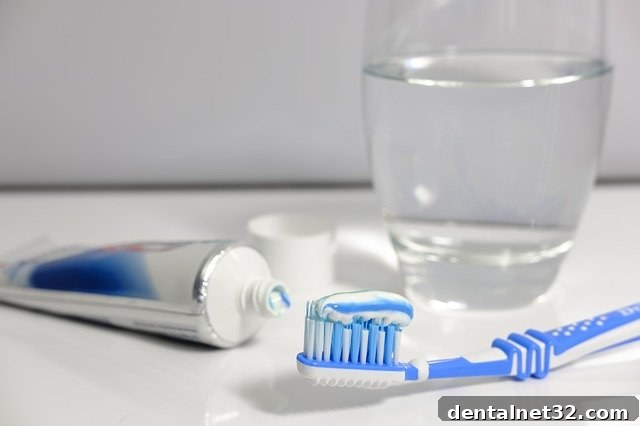
This is the most direct and important step. Brush your teeth twice a day for two full minutes with a toothpaste containing fluoride. Look for products with the American Dental Association (ADA) Seal of Acceptance, which verifies that the product has been tested and is proven safe and effective. For maximum benefit, spit out the excess toothpaste after brushing, but avoid rinsing your mouth with water immediately. This leaves a thin film of fluoride on your teeth, giving it more time to work.
2. Drink Fluoridated Tap Water
If you live in a community with fluoridated water, drinking from the tap throughout the day is one of the easiest and most beneficial things you can do for your dental health. The U.S. Department of Health and Human Services recommends a level of 0.7 milligrams of fluoride per liter of water, a concentration proven to be safe and effective for preventing cavities.
3. Consider a Fluoride Mouthwash
For individuals who are more susceptible to cavities, have dental work like crowns or bridges, or suffer from dry mouth, a fluoride mouthwash can provide an extra layer of protection. Swish with it once a day, preferably at a different time than brushing, to keep fluoride levels in your mouth consistently elevated.
4. Ask Your Dentist About Professional Treatments
Professional fluoride treatments contain a much higher concentration of fluoride than over-the-counter products. Your dentist or hygienist may recommend this treatment during your regular check-ups, especially for children or for adults with a high risk of decay due to factors like gum disease (periodontitis), frequent cavities, or dry mouth conditions. The application is quick, painless, and provides a significant boost to your enamel’s strength.
Conclusion: Your Partner in Lifelong Dental Health
Fluoride is not just an additive; it’s a vital mineral that actively defends, repairs, and strengthens your teeth on a microscopic level. From building stronger enamel in developing teeth to creating an acid-resistant shield on adult teeth, its benefits are undeniable and backed by decades of scientific research. By understanding how it works and consistently using fluoride-rich products like toothpaste and tap water, you empower yourself to prevent cavities and maintain a healthy, confident smile for life.
If you have questions about the right amount of fluoride for you or your family, or if you’re interested in the added protection of a professional treatment, the best course of action is to speak with your dentist. They can assess your individual risk for cavities and create a personalized oral health plan to keep your teeth strong and healthy for years to come.