
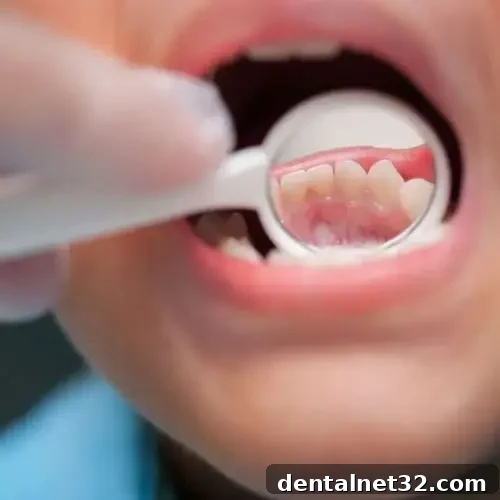
Is Gum Disease Contagious? A Parent’s Guide to Children’s Oral Health
Imagine this scene: a mother, sitting in a dental office, has just received a diagnosis of Chronic Periodontitis. Her first thought isn’t for her own health, but for her children. “Are they at risk, too?” she asks, a question filled with parental concern. It’s a frequent and understandable question for parents navigating the complexities of dental health.
This common concern was addressed by Dr. Michael Quinn, a board-certified Periodontist with over a decade of experience practicing in Atlanta, Georgia. His answer provides immediate reassurance to worried parents. “The short answer is no,” Dr. Quinn explains. “Gum disease is not like the common cold. You cannot transmit chronic periodontitis to your children through simple actions like kissing or sharing silverware.”
While it’s true that the bacteria present in a parent’s mouth can be transferred to a child, the development of gum disease is far more complex than simple exposure. “The specific bacteria that cause chronic periodontitis need to exist in just the right spot, in the right amount, and within a very specific ecological niche to cause harm,” Dr. Quinn clarifies. “For a young child, these conditions simply don’t align to trigger the disease.” A child’s developing immune system and unique inflammatory responses create an oral environment that is not conducive to the bacteria taking hold and causing the kind of damage seen in adults with periodontitis.
What Exactly is Periodontitis? Understanding the Progression
To fully grasp why children are generally safe from this condition, it’s essential to understand what chronic periodontitis is. It is a serious infection of the gums, but it doesn’t happen overnight. The process begins with the buildup of plaque, a sticky, colorless film composed of bacteria and food debris that constantly forms on our teeth.
If this plaque isn’t diligently removed through daily brushing and flossing, it hardens into a substance called tartar, or calculus. Tartar cannot be removed with a regular toothbrush and requires professional cleaning. This hardened tartar acts as a shield for bacteria, allowing them to thrive and push deeper into the gum tissue. This invasion irritates and inflames the gums, a condition known as gingivitis. As the body’s immune system fights the bacteria, the gums become swollen, red, and may bleed easily. If left untreated, the inflammation causes the gums to pull away from the teeth, creating small spaces called periodontal pockets. These pockets become breeding grounds for more harmful bacteria, deepening the infection. Eventually, this destructive process can destroy the gum tissue and the underlying bone that supports the teeth, leading to tooth mobility and, ultimately, tooth loss.
Gingivitis in Children: The Real and Reversible Concern
While children are not typically susceptible to the destructive force of periodontitis, they are very prone to its precursor: Chronic Gingivitis. This is the earliest stage of gum disease and, importantly, it is the only stage that is completely reversible with proper care. The symptoms are often subtle but should not be ignored. Parents should look for red, puffy, or swollen gums. A key indicator is bleeding during brushing or flossing. If you notice your child spitting out blood in the sink after cleaning their teeth, it’s a clear sign that a visit to the dentist is needed.
“I cringe when I see a mom point a finger at a kid and say, ‘I told you that you should be brushing,'” Dr. Quinn notes. Instead of blame, the focus should be on education and support. “Good oral hygiene habits start with proactive parents. They should be checking their kids’ gums for redness or swelling, actively watching them brush, and even assisting them until they have the manual dexterity to do it effectively themselves.” Generally, children need supervision and help with their brushing and flossing routines until they are around 8 years old.
When to Be Concerned: Aggressive Periodontitis and Systemic Health
In rare instances, children can develop a more severe form of gum disease known as Aggressive Periodontitis. Unlike the chronic form, this type progresses much more rapidly and is often linked to an underlying systemic disease. Conditions such as Type 1 Diabetes, Leukemia, or Down Syndrome can increase a child’s risk. According to the American Academy of Periodontology, a survey of young Type 1 diabetics aged 11 to 18 found that 10 percent already had overt periodontitis. Children with Down Syndrome may have misaligned teeth, creating more areas where plaque can become trapped and lead to infection. For these children, meticulous oral hygiene, following their dentist’s specific recommendations for toothbrushes, toothpaste, and flossing techniques, is paramount. Often, their pediatric dentist will refer them to a periodontist for specialized evaluation and treatment.
Navigating the Teen Years: Hormonal Changes and Oral Health
The journey of oral health doesn’t stop once a child masters brushing. The tween and teenage years introduce a new factor: hormones. Puberty can trigger “hormonal gingivitis.” During menstruation, for example, increased levels of hormones can cause increased blood flow to the gums, making them more sensitive and reactive to plaque and bacteria. This can lead to heightened inflammation, swelling, and bleeding. Furthermore, as teenagers approach their late teens (ages 16-19), their susceptibility to more advanced forms of periodontitis begins to increase, mirroring that of adults. This risk is significantly exacerbated by poor oral hygiene habits or a family history of gum disease.
The Genetic Connection: When Gum Disease Runs in the Family
The role of genetics cannot be overlooked, particularly with Aggressive Periodontitis. “If one of my patients with no other medical conditions presents with Aggressive Periodontitis, I stress the importance of family communication,” says Dr. Quinn. “I tell them to inform everyone in their immediate family—brothers, sisters, parents, and even their own children. They all need to be aware of this family history.” Armed with this knowledge, family members can inform their own dentists, who can then be extra vigilant during examinations and screenings. Proactive monitoring is crucial when there is a known genetic predisposition.
Building a Foundation for a Lifetime of Healthy Smiles
The great news for parents is that for the vast majority of children, serious gum disease is not a significant concern during their early years. The key takeaway is that prevention is the most powerful tool. By establishing a consistent and effective oral hygiene routine from a young age—including correct brushing techniques and daily flossing—parents can empower their children to avoid gum disease not just in childhood, but for their entire lives. Regular dental check-ups, a balanced diet, and open communication with your dental professionals will ensure a healthy foundation for a lifetime of confident smiles.

Dr. Michael Quinn, DMD, has been a practicing dentist since 1987. He is a Board Certified Periodontist who provides specialized periodontal services for patients starting from age 8. His expertise includes a comprehensive range of treatments such as bone grafting, crown lengthening, dental implants, endodontic surgery, extractions, gummy smile correction, and management of periodontal disease. He practices at several Coast Dental offices throughout Georgia, including locations in Atlanta, Marietta, Fayetteville, Lawrenceville, and Stone Mountain.
Reviewed by: Michael Quinn, DMD; Charbel Klaib, DMD; Chuck Laun, DDS
Related Articles
Can brushing and flossing actually save your life? Researchers are exploring the profound link between oral health and cardiovascular risks.
READ ON »
Research confirms a two-way street between oral health and systemic diseases like diabetes. Learn about the health complications and management strategies.
READ ON »
Maintaining proper oral care could play a significant role in the fight against COVID-19 complications, a compelling new study suggests.
READ ON »