
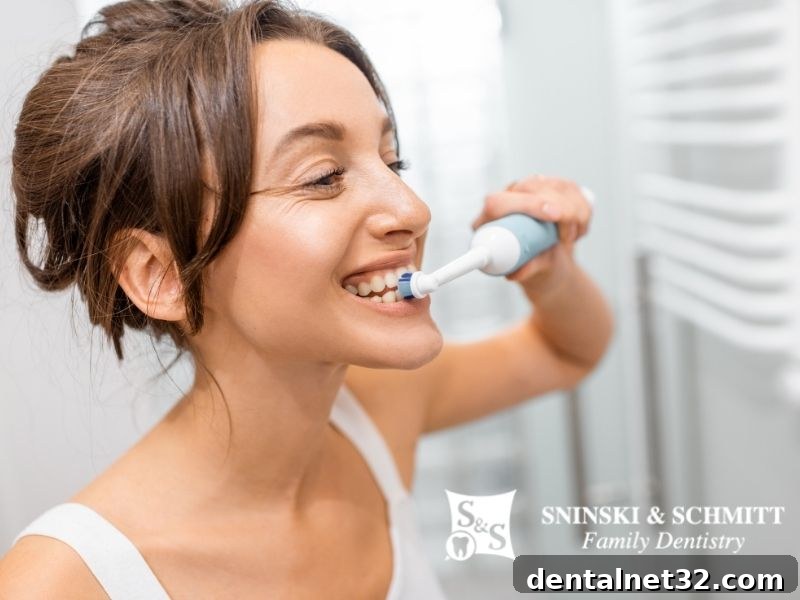
Electric vs. Manual Toothbrush: Which is Really Better for Your Teeth?
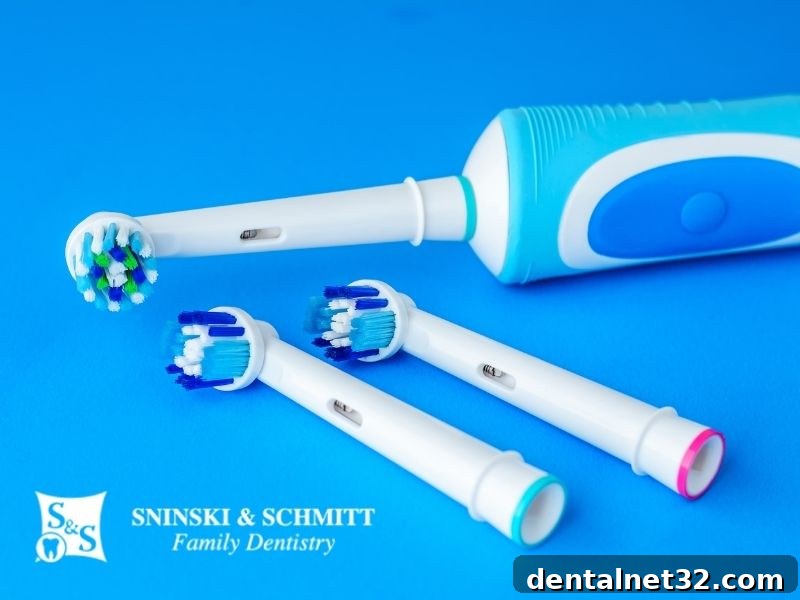
The debate over electric versus manual toothbrushes is a common one in the world of oral hygiene. Many people wonder if the higher price tag of an electric model translates to a healthier smile. The short answer is a resounding yes, for most people, electric toothbrushes offer a superior clean and significant long-term benefits for oral health.
While a manual toothbrush can certainly be effective when used with perfect technique, the reality is that many of us fall short. Electric toothbrushes help bridge this gap by automating the most crucial parts of brushing, ensuring a consistent and thorough clean every time. In fact, extensive research, including a landmark study by the American Dental Association (ADA), has consistently shown that powered toothbrushes outperform their manual counterparts in removing plaque and reducing gingivitis.
This guide will delve into the specific advantages of using an electric toothbrush, explore the science behind their effectiveness, and help you understand why making the switch could be one of the best decisions you make for your dental health.
The Core Advantages of an Electric Toothbrush
Electric toothbrushes are not just a novelty; they are engineered to provide a level of cleaning that is difficult to achieve manually. Their benefits stem from a combination of advanced technology, consistent performance, and user-friendly features that take the guesswork out of oral care.
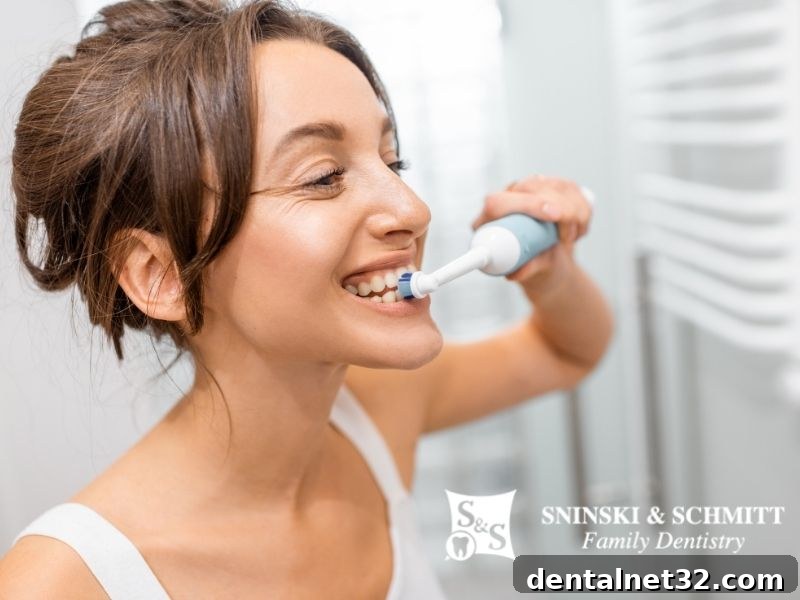
The primary difference lies in the motion. Electric models generate thousands of brush strokes per minute—far more than the human hand can produce. This high-speed action, whether it’s oscillating-rotating or sonic vibrations, is incredibly effective at disrupting and sweeping away the sticky bacterial film known as plaque. By doing the hard work for you, these devices ensure that you clean more effectively, even in hard-to-reach areas.
1. Unmatched Plaque Removal
The most significant benefit of an electric toothbrush is its superior ability to remove plaque. Plaque is the primary culprit behind common dental problems like cavities and gum disease. The high-frequency movements of an electric toothbrush are designed to dislodge plaque far more efficiently than manual brushing.
A comprehensive 2014 Cochrane review, one of the most respected forms of medical research, analyzed dozens of studies and came to a clear conclusion. The authors found that, compared to manual brushing, powered toothbrushes led to a 21% reduction in plaque after three months of use. This is a substantial difference that directly impacts the long-term health of your teeth and gums.
2. A Powerful Ally Against Gum Disease (Gingivitis)
By removing plaque more effectively, electric toothbrushes are instrumental in preventing and reducing gingivitis, the earliest stage of gum disease. Gingivitis is caused by plaque buildup along the gumline, leading to inflammation, redness, and bleeding gums. Left untreated, it can progress to more severe periodontitis, which can result in tooth loss.
The same Cochrane review mentioned above also found that electric toothbrush users experienced an 11% reduction in gingivitis after three months. The consistent and gentle motion of an electric brush cleans the gumline thoroughly without causing irritation, promoting healthier gum tissue over time.
3. Built-In Features for a Perfect Brushing Technique
Many people are unaware of the correct way to brush their teeth. We often brush too hard, not long enough, or miss entire sections of our mouths. Electric toothbrushes solve these common problems with smart, built-in features:
- Two-Minute Timer: Dentists universally recommend brushing for a full two minutes. Most electric toothbrushes have a built-in timer that buzzes or briefly pauses after two minutes, ensuring you meet this critical guideline. Many also include quadrant pacers, which signal every 30 seconds to prompt you to move to a new section of your mouth for an evenly distributed clean.
- Pressure Sensor: Brushing too hard is a common habit that can lead to enamel erosion and gum recession. To combat this, many electric models feature a pressure sensor. If you press too firmly, the brush will light up, make a sound, or reduce its speed, training you to use a gentler, more effective technique.
4. Enhanced Accessibility for Everyone
Electric toothbrushes are a game-changer for individuals with limited mobility or dexterity challenges. The powered brush head does most of the work, requiring only that the user guide it along their teeth. This makes them an excellent choice for:
- Individuals with Arthritis or Carpal Tunnel Syndrome: The larger handle is easier to grip, and the automated motion reduces strain on hands and wrists.
- People with Braces: The small, powerful brush heads are adept at cleaning around brackets and wires, areas where plaque can easily accumulate.
- Children and Teenagers: The novelty and features like timers can make brushing more engaging, helping to establish healthy, lifelong habits.
Manual Toothbrushes: Are They Still a Viable Option?
While electric toothbrushes hold a clear advantage, it’s important to acknowledge that a manual toothbrush is not without its merits. When used with meticulous technique, it can still provide an adequate clean. The primary benefits of a manual toothbrush include:
- Affordability: Manual toothbrushes are inexpensive and readily available everywhere.
- Portability: They are lightweight, compact, and require no charging, making them ideal for travel.
- Control: Some users prefer having complete manual control over the pressure and motion of their brushing.
However, the effectiveness of a manual brush is entirely dependent on the user. It requires diligence to brush for the full two minutes, use the correct angulation (a 45-degree angle towards the gumline), and apply the right amount of pressure. For most people, maintaining this perfect technique twice a day is challenging, which is why the consistent, automated performance of an electric toothbrush is often recommended by dental professionals.
Making the Right Choice for Your Oral Health
Choosing between an electric and a manual toothbrush ultimately comes down to what will help you maintain the best possible oral hygiene routine. For the vast majority of people, the evidence is clear: an electric toothbrush offers a more effective, consistent, and user-friendly way to achieve a healthier mouth.
The investment in an electric toothbrush is an investment in preventing future dental issues. By significantly improving plaque removal and gum health, you reduce your risk of cavities, gingivitis, and more serious periodontal disease. The built-in timers and pressure sensors act as your personal dental coach, ensuring you brush correctly every single time.
If you’re looking to elevate your oral care routine and achieve a truly deep clean, switching to an electric toothbrush is a scientifically-backed step in the right direction. It simplifies the process of proper brushing and provides tangible results you can see and feel.
Consult Your Dentist for Personalized Advice
Every mouth is unique. While the benefits of electric toothbrushes are widespread, the best way to determine the ideal oral hygiene tools for your specific needs is to consult with your dental professional. During your regular dental check-up, your dentist can assess your oral health, discuss your brushing habits, and recommend a toothbrush—whether electric or manual—that is best suited for you. They can also provide guidance on the right type of brush head and features to look for based on your individual needs, such as sensitive teeth or a history of gum disease.