
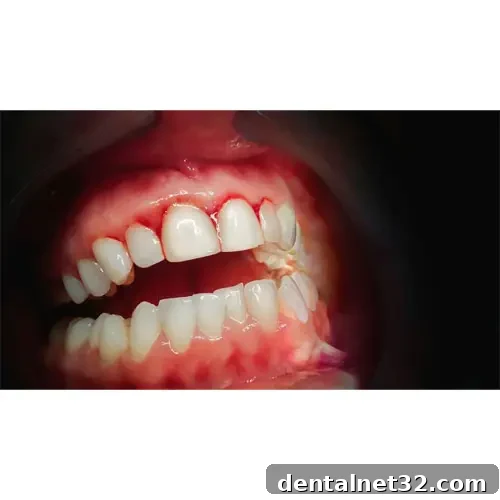
Why Are My Gums Bleeding? A Comprehensive Guide to Causes, Treatment, and Prevention
Have you ever noticed a tinge of pink in the sink after brushing your teeth? Or perhaps seen a bit of blood on your dental floss? For many, this is a common occurrence, often dismissed as a result of brushing too hard. However, bleeding gums are anything but normal. They are a clear warning sign from your body, indicating an underlying issue that needs your attention. Ignoring this symptom can lead to more severe dental problems, including bone and tooth loss.
Understanding why your gums are bleeding is the first crucial step toward restoring your oral health. The culprit is often a build-up of bacteria along the gum line, which triggers inflammation. This condition, known as periodontal disease, is highly treatable, especially in its early stages. This guide will delve deep into the causes of bleeding gums, debunk common myths, and provide a clear action plan to help you achieve a healthy, pain-free smile.
Unmasking the Culprit: What Really Causes Bleeding Gums?
While various factors can contribute to gum sensitivity, the primary cause of bleeding is almost always the same: a bacterial infection. As one expert, Dr. Richard Paternoster, a dentist at Coast Dental Spring Hill, puts it, “What’s causing this bleeding is a build-up of bacteria and food along your gum line and your teeth.” Let’s break down how this process unfolds.
The Primary Cause: Plaque and Bacteria Buildup
Your mouth is home to millions of bacteria. When you consume sugary or starchy foods, these bacteria feed on the particles left behind and form a sticky, colorless film on your teeth called plaque. If not removed through regular and effective brushing and flossing, this plaque accumulates, particularly along the gum line.
The bacteria within the plaque release toxins that irritate the delicate gum tissue. Your body’s immune system responds to this attack by increasing blood flow to the area to fight the infection, causing inflammation. This inflammation is what makes your gums red, swollen, and prone to bleeding at the slightest touch. This initial stage of gum disease is known as gingivitis.
From Plaque to Tartar: When the Problem Hardens
If plaque is not removed within 24 to 48 hours, it begins to harden into a substance called tartar, or dental calculus. Tartar is a rough, porous deposit that forms both above and below the gum line. Unlike plaque, tartar cannot be removed with a toothbrush or floss; it requires a professional cleaning by a dentist or dental hygienist.
Tartar provides an even larger and stickier surface for more plaque to accumulate, accelerating the cycle of irritation and inflammation. Furthermore, as tartar builds up, it can push the gums away from the teeth, creating small pockets. These pockets become breeding grounds for more aggressive bacteria, leading the infection deeper and paving the way for more severe gum disease.
Gingivitis: The First Warning Sign You Can’t Ignore
Gingivitis is the earliest and mildest form of periodontal disease. The good news is that it is the only stage that is completely reversible with professional treatment and diligent at-home care. Recognizing the symptoms early is key to stopping the disease in its tracks.
“If we don’t treat it, the disease will progress and break down the bone and you risk losing the tooth,” Dr. Paternoster explains. “So now is the perfect time to treat it so it won’t progress.”
Common symptoms of gingivitis include:
- Gums that bleed easily during brushing or flossing.
- Red, swollen, or tender gums.
- Persistent bad breath (halitosis) that doesn’t go away with brushing.
- A persistent bad taste in your mouth.
At this stage, the infection has not yet reached the bone and connective tissues that hold your teeth in place. By seeking dental care and improving your oral hygiene, you can reverse the inflammation and restore your gums to a healthy, firm, pink state.
When Gingivitis Progresses: The Dangers of Periodontitis
If gingivitis is left untreated, the inflammation and infection will spread below the gum line and evolve into periodontitis. This is a far more serious and destructive form of gum disease. In periodontitis, the body’s chronic inflammatory response begins to break down not only the gum tissue but also the underlying bone that supports the teeth.
As the disease advances, the pockets between the gums and teeth deepen, allowing more bacteria to thrive. This can lead to:
- Gum Recession: Your gums pull away from your teeth, making them appear longer.
- Increased Tooth Sensitivity: Exposed tooth roots can be sensitive to hot and cold temperatures.
- Loose Teeth: As the supporting bone is destroyed, teeth may become mobile or shift their position.
- Pain When Chewing: The pressure of biting can become uncomfortable.
- Pus Between Teeth and Gums: A clear sign of a significant infection.
- Tooth Loss: Ultimately, the teeth may lose so much support that they fall out or need to be extracted.
Periodontitis is a chronic condition that requires ongoing management by a dental professional. While the damage to the bone is not reversible, its progression can be halted with treatment.
Debunking Common Myths: Contributing Factors vs. The Root Cause
Many people try to attribute their bleeding gums to factors other than bacteria. While certain conditions can make you more susceptible to gum disease, Dr. Paternoster emphasizes that bacteria remain the primary trigger.
Genetics
Some individuals are genetically more prone to developing gum disease. “You’re right; there is a heredity factor to it,” Dr. Paternoster tells his patients. “It’s more than that, though. Something is initiating the bleeding: the bacteria. Your family members have lost teeth because of it, but if we treat you, you can possibly avoid getting dentures.” A family history of tooth loss from gum disease means you need to be even more vigilant with your oral care.
Hormonal Changes
Fluctuations in hormones during puberty, pregnancy, and menopause can make gums more sensitive and increase the inflammatory response to plaque. “Pregnancy gingivitis” is a common condition, but it’s still the plaque—not the pregnancy itself—that causes the problem.
Smoking and Vaping
Tobacco use is one of the most significant risk factors for developing severe gum disease. Smoking impairs your body’s ability to fight infection and heal, making it harder for your gums to recover. It can also mask the symptoms by restricting blood flow, meaning your gums may not bleed as much, giving you a false sense of security while the disease silently progresses.
Medical Conditions
Conditions like diabetes can create a two-way street with gum disease. Uncontrolled blood sugar levels can worsen gum infections, and in turn, severe gum disease can make it more difficult to control blood sugar. Other systemic diseases that affect the immune system can also increase your risk.
Your Action Plan: How to Stop Bleeding Gums for Good
Realizing you don’t have to live with bleeding gums can be empowering. Taking control of your oral health starts with a few simple but effective steps.
Step 1: See Your Dentist
The most important first step is to schedule an appointment with your dentist for a comprehensive examination. They will assess the health of your gums, measure the depth of any pockets around your teeth, and determine the extent of the disease. Based on their findings, they will recommend a personalized treatment plan.
Step 2: Professional Dental Cleanings
For gingivitis, a standard professional cleaning may be enough to remove plaque and tartar and allow your gums to heal. If the disease has progressed to periodontitis, your dentist may recommend a deeper cleaning procedure known as scaling and root planing. This involves carefully removing tartar from below the gum line (scaling) and smoothing out the tooth roots (planing) to help the gums reattach to the teeth.
Step 3: Master Your At-Home Oral Hygiene Routine
Professional treatment is only half the battle. Consistent and effective home care is essential for preventing the disease from returning.
- Brush Properly: Use a soft-bristled toothbrush and a fluoride toothpaste. Brush at least twice a day for two full minutes, angling the brush at 45 degrees toward the gum line to clean effectively without causing damage.
- Floss Daily: Flossing is non-negotiable. It removes plaque and food particles from between your teeth and under the gum line, where your toothbrush cannot reach. If you find traditional floss difficult, consider using floss picks, interdental brushes, or a water flosser.
- Use an Antiseptic Mouthwash: Rinsing with a therapeutic mouthwash can help reduce bacteria and control plaque, providing an extra layer of protection for your gums.
A Healthy Mouth is a Healthy You: Don’t Ignore the Signs
Bleeding gums are more than just a minor inconvenience; they are a sign that your body is fighting an infection. By understanding the central role that bacteria and plaque play, you can take proactive steps to address the problem at its source. It is not inevitable that you will lose your teeth, even if you have a family history of gum disease. Modern dentistry offers effective treatments to halt its progression and manage your oral health for a lifetime.
The journey to healthy gums begins with a single step: scheduling a visit with your dentist. Take the health of your gums seriously, and they will support a strong, confident smile for years to come.

Richard Paternoster, DDS, has been a practicing dentist since 2002. He provides general dentistry services to patients starting at age 12. His services include crown lengthening, extractions, periodontal disease management, root canal therapy and retreatment, and veneers. Dr. Paternoster currently practices at 13146 Cortez Boulevard, Brooksville, FL 34613.
Reviewed By: Richard Paternoster, DDS
Reviewed By: Charbel Klaib, DMD
Reviewed By: Cindy Roark, DMD