
Many people believe that losing teeth is a natural and unavoidable part of aging. However, with proper care and attention, it’s entirely possible for your natural teeth to last a lifetime. One of the greatest threats to this goal is periodontal disease, a common but preventable condition. This comprehensive guide will explore what periodontal disease is, its causes, symptoms, and the advanced treatments available to protect your smile and your overall health.
Periodontal disease is essentially an infection of the tissues that hold your teeth in place. The term itself comes from “peri,” meaning around, and “odont,” meaning tooth. It is caused by harmful bacteria that thrive in plaque, the sticky film that constantly forms on your teeth. The challenge with gum disease is that its early stages can be silent and painless, making it difficult to detect without a professional dental examination. This is why understanding the risks and signs is crucial for everyone.
What is Periodontal Disease? A Journey from Plaque to Problem
Periodontal disease doesn’t appear overnight. It progresses through several stages, starting with a condition that is completely reversible. Understanding this progression is key to preventing serious damage.
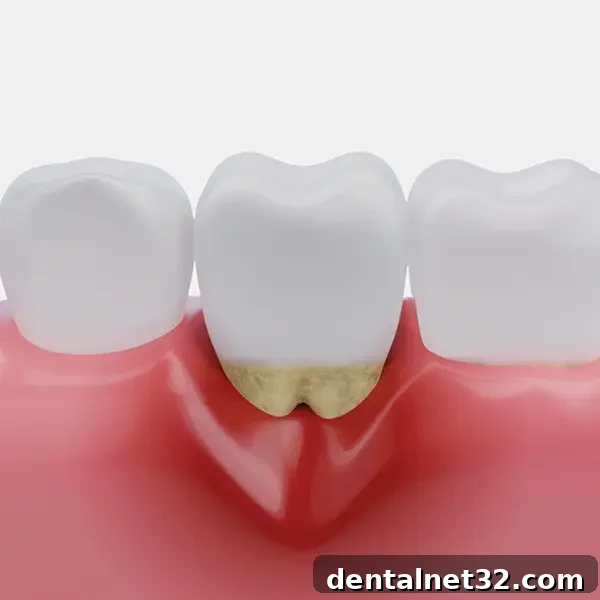
The first stage is known as gingivitis. This occurs when plaque builds up along the gumline, causing inflammation. “Gingiva” refers to the gums, and “-itis” means inflammation. At this point, you might notice that your gums are red, swollen, and bleed easily when you brush or floss. The good news is that gingivitis does not involve any loss of the bone and connective tissue that hold teeth in place. With diligent daily oral hygiene and professional cleanings, gingivitis can be completely reversed.
If gingivitis is left untreated, it can advance to periodontitis. In this more serious stage, the inflammation spreads below the gum line. The bacteria begin to produce toxins that trigger a chronic inflammatory response in your body. This response, combined with the bacteria, starts to break down the bone and connective tissue that support your teeth. As the tissue is destroyed, gums separate from the teeth, forming spaces called “pockets.” These pockets become infected and deepen over time, providing an even larger and more protected space for bacteria to live and multiply. As more bone and tissue are destroyed, teeth can become loose and may eventually need to be removed.
Recognizing the Warning Signs: Symptoms of Periodontal Disease
While early gum disease can be subtle, there are several key warning signs to watch for. It’s important to note that smokers may not experience some of the most common symptoms, like bleeding gums, because nicotine constricts blood vessels. This can mask the disease, allowing it to progress unnoticed. If you notice any of the following, it’s time to see a dental professional.
- Bleeding Gums: Healthy gums should not bleed. If you see blood in the sink after brushing or flossing, it’s a primary indicator of inflammation. Many people mistakenly think it’s from brushing too hard, but it’s almost always a sign of gingivitis.
- Persistent Bad Breath: Also known as halitosis, bad breath that doesn’t go away can be caused by the sulfur-producing bacteria that accumulate in periodontal pockets and on the back of the tongue.
- Red, Swollen, or Tender Gums: Inflammation is the body’s natural response to infection. Inflamed gums will often appear bright red or purplish and feel puffy or sore to the touch.
- Receding Gums: If your teeth appear to be getting longer, it’s likely a sign of gum recession. This happens when the gum tissue pulls away from the tooth, exposing the root surface.
- Tooth Sensitivity: When gum recession exposes the root of the tooth, it can become highly sensitive to hot, cold, or sweet foods and drinks. The root is not protected by enamel and is much more vulnerable.
- Periodontal Abscess: This is a painful, pus-filled swelling that can occur when bacteria get trapped deep within a periodontal pocket. It requires immediate dental attention.
- Loose Teeth or Changes in Your Bite: As periodontitis destroys the supporting bone, teeth can become unstable, shift their position, or feel loose. You might notice a change in the way your upper and lower teeth fit together when you bite down.
The Mouth-Body Connection: Gum Disease and Your Overall Health
The consequences of periodontal disease extend far beyond your mouth. A growing body of scientific evidence has linked chronic gum inflammation to a range of serious systemic health conditions. The connection is believed to work in two primary ways: first, the chronic inflammation in your gums can elevate the level of inflammation throughout your entire body. Second, harmful oral bacteria can enter the bloodstream through inflamed gums and travel to other parts of the body.
Research has established significant links between periodontal disease and:
- Cardiovascular Disease: The same bacteria found in infected gums have been discovered in the arterial plaques that cause heart attacks and strokes. Chronic inflammation is also a known risk factor for heart disease.
- Diabetes: The relationship is a two-way street. People with diabetes are more susceptible to infections, including gum disease. At the same time, severe periodontal disease can make it more difficult to control blood sugar levels, potentially worsening diabetic complications.
- Respiratory Infections: Bacteria from the mouth can be inhaled into the lungs, which can contribute to respiratory illnesses like pneumonia, especially in older adults or those with weakened immune systems.
- Pregnancy Complications: Studies have suggested a link between periodontitis and an increased risk of delivering a baby preterm and with a low birth weight.
Treating gum inflammation is not just about saving your teeth; it’s an important step in maintaining your overall well-being.
Taking Control: Modern Treatments for Periodontal Disease
The good news is that periodontal disease is treatable, especially when caught early. Treatment plans are tailored to the individual and the severity of their condition. All therapy begins with a thorough evaluation and a focus on improving at-home oral hygiene practices.
Non-Surgical Treatments
For early to moderate periodontitis, non-surgical approaches are often highly effective. The cornerstone of this treatment is a deep-cleaning procedure called scaling and root planing. During this process, a dentist or hygienist uses special tools (including hand scalers and ultrasonic instruments) to meticulously remove all plaque and tartar (hardened plaque, also called calculus) from both above and below the gum line. Root planing involves smoothing the tooth roots to help the gums reattach to the teeth and to make it more difficult for plaque to accumulate in the future. In some cases, locally applied antibiotics may be placed directly into the periodontal pockets to help control bacteria and promote healing.
Surgical Treatments
If the disease is advanced and the pockets are too deep to be cleaned effectively with non-surgical methods, surgery may be required. These procedures are designed to remove infection, reduce pocket depth, and regenerate lost bone and tissue.
- Flap Surgery (Pocket Reduction): The gums are gently lifted back to allow for the removal of tartar from deep pockets. The underlying bone may also be reshaped to eliminate areas where bacteria can hide. The gums are then sutured back in place, fitting more snugly around the tooth.
- Bone and Tissue Grafts: These regenerative procedures can help reverse some of the damage. Bone grafting involves placing natural or synthetic bone in areas of bone loss to encourage regrowth. Soft tissue grafts can be used to cover exposed roots and restore a healthy gum line.
Ready to Protect Your Smile? Schedule a Consultation
A healthy smile is a vital part of a healthy life. If you’ve noticed any signs of gum disease or are concerned about your risk, taking action is the most important step. A professional periodontal evaluation can determine the health of your gums and create a personalized plan to restore and maintain your oral health for years to come.
Contact us today to schedule a consultation and take the first step towards a healthier smile and a healthier you.
Related Posts
Gum Disease and Diabetes: What You Should Know
Debbie Nicholson
December 14, 2022
Research shows that your oral health is linked to numerous systemic diseases, including diabetes. There are many health complications of
COVID-19 patients with gum disease 9 times more likely to die, study says
Debbie Nicholson
February 16, 2021
Brushing your teeth regularly and maintaining proper oral care can play a big role in the fight against COVID-19 —
Bleeding Gums Are Never Normal
Debbie Nicholson
October 16, 2023
If eating, flossing or brushing with a gentle-bristled toothbrush is causing your gums to bleed, then you need to see