
Understanding Gingivitis: A Comprehensive Guide to Healthy Gums
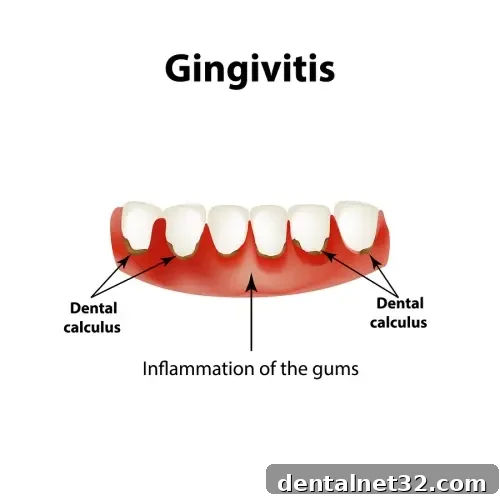
Gingivitis is an incredibly common, yet often overlooked, form of gum disease. As the earliest stage of periodontal disease, it manifests as irritation, redness, and inflammation of the gingiva—the part of your gum that surrounds the base of your teeth. While it may seem like a minor inconvenience, it’s crucial to take gingivitis seriously. If left unaddressed, this mild condition can escalate into a much more severe problem known as periodontitis, which can lead to significant pain, bone damage, and eventual tooth loss. Understanding the signs, causes, and treatments for gingivitis is the first and most important step toward protecting your oral health and maintaining a vibrant, healthy smile for years to come.
How to Recognize Gingivitis: Key Symptoms to Watch For
The early signs of gingivitis can be subtle, which is why many people don’t realize they have it until it has progressed. Paying close attention to your oral health can help you catch it early. Healthy gums should be firm, pale pink, and fit snugly around your teeth. If you notice changes in their appearance or feel, it could be a sign of inflammation. Here are the most common symptoms to look out for:
- Red, Swollen, and Tender Gums: One of the most visible signs of gingivitis is a change in the color and texture of your gums. The inflammation caused by bacterial plaque leads to increased blood flow to the area, making your gums appear red and puffy instead of their usual pale pink. They may also feel tender or sore to the touch.
- Bleeding Gums: Do your gums bleed when you brush or floss? This is a hallmark symptom of gingivitis and should never be ignored. Healthy gums are resilient and do not bleed from routine cleaning. The inflammation makes the gum tissue fragile and more susceptible to bleeding, even with gentle pressure.
- Persistent Bad Breath (Halitosis): The same bacteria that form plaque and cause gingivitis also release sulfur compounds, which lead to chronic bad breath. If you find that mints, mouthwash, or brushing only temporarily mask a persistent unpleasant odor, it could be an underlying sign of gum disease.
- Receding Gums: Over time, inflamed gums can begin to pull away from the teeth. This process, known as gum recession, can make your teeth appear longer than usual. It also exposes the sensitive root surfaces of your teeth, which can lead to other complications.
- Increased Tooth Sensitivity: As your gums recede, the roots of your teeth may become exposed. These roots are not covered by protective enamel and contain tiny tubules that lead directly to the tooth’s nerve. This can cause sharp pain or sensitivity when you consume hot, cold, sweet, or acidic foods and drinks.
What Causes Gingivitis? Uncovering the Primary Risk Factors
The primary cause of gingivitis is the buildup of plaque, a soft, sticky, and colorless film of bacteria that constantly forms on your teeth. When you eat sugary or starchy foods, the bacteria in your mouth feed on them and produce acids that attack your teeth and gums. If this plaque is not removed daily through brushing and flossing, it hardens into tartar (or calculus), a calcified deposit that can only be removed by a dental professional. Tartar irritates the gums and creates a protective shield for more bacteria, leading to inflammation. While poor oral hygiene is the main culprit, several other factors can increase your risk:
- Tobacco Use: Smoking or chewing tobacco is one of the most significant risk factors for developing gum disease. It weakens your immune system, making it harder to fight off a gum infection. Furthermore, it reduces blood flow to the gums, impairing their ability to heal.
- Hormonal Fluctuations: Hormonal changes during puberty, pregnancy, menstruation, and menopause can make gums more sensitive and increase their inflammatory response to plaque, a condition sometimes referred to as “pregnancy gingivitis.”
- Systemic Health Conditions: Certain diseases can compromise your oral health. Individuals with diabetes are at a higher risk because the condition impairs the body’s ability to control blood sugar, which can lead to more severe gum disease. Conditions that weaken the immune system, such as HIV/AIDS or leukemia, also make you more vulnerable.
- Medications: Some prescription and over-the-counter medications can affect oral health by reducing saliva flow. Saliva is crucial for washing away food particles and neutralizing bacterial acids. Other drugs, such as certain anticonvulsants and blood pressure medications, can cause abnormal gum tissue growth, making them difficult to clean.
- Poor Nutrition: A diet lacking essential nutrients, especially Vitamin C, can compromise gum health. Vitamin C is vital for the repair of connective tissues, and a severe deficiency can lead to bleeding gums and other symptoms of gingivitis.
- Genetics and Age: Some individuals may be genetically predisposed to gum disease. Additionally, the risk of developing gingivitis increases with age, making consistent oral care even more important as you get older.
The Dangers of Untreated Gingivitis: The Path to Periodontitis
One of the most critical things to understand about gingivitis is that it is a reversible condition. With proper at-home care and professional treatment, the inflammation can be eliminated, and your gums can return to a healthy state. However, ignoring the signs of gingivitis allows the condition to progress to periodontitis. This advanced stage of gum disease is not reversible and causes permanent damage. In periodontitis, the ongoing inflammation causes the gums to pull away from the teeth, creating pockets. These pockets become infected with bacteria, and as your immune system fights the infection, the body’s chronic inflammatory response begins to break down the bone and connective tissue that hold your teeth in place. This can lead to loose teeth and, ultimately, tooth loss.
Effective Strategies for Gingivitis Treatment and Prevention
The best way to combat gingivitis is through a combination of diligent at-home oral hygiene and regular professional dental care. The goal is to control the infection, stop the inflammation, and restore your gums to health.
Your Daily At-Home Care Routine
- Proper Brushing Technique: Brush your teeth at least twice a day for two minutes each time. Use a soft-bristled toothbrush and a fluoride toothpaste. Angle the brush at 45 degrees toward the gumline and use gentle, circular motions to clean all surfaces of your teeth. An electric toothbrush can often be more effective at removing plaque.
- The Importance of Daily Flossing: Flossing is not optional; it’s essential for removing plaque and food particles from between your teeth and under the gumline, areas your toothbrush cannot reach. Make it a daily habit.
- Using an Antiseptic Mouthwash: Rinsing with a therapeutic, over-the-counter mouthwash can help reduce bacteria, inhibit plaque buildup, and freshen your breath. Look for a mouthwash with proven antiseptic properties.
The Role of Professional Dental Care
- Regular Dental Cleanings and Exams: Visiting your dentist for check-ups and cleanings every six months is crucial. During a professional cleaning, a dental hygienist will remove all traces of plaque and hardened tartar that you cannot remove on your own.
- Scaling and Root Planing: If gingivitis has started to progress, your dentist may recommend a deep-cleaning procedure called scaling and root planing. Scaling involves scraping tartar from above and below the gumline, while root planing smooths out rough spots on the tooth root where bacteria tend to gather, helping the gums reattach to the teeth.
- Personalized Oral Health Education: Your dental team can provide guidance on the most effective brushing and flossing techniques for your needs and recommend specific products to improve your oral hygiene routine.
“Maintaining optimal oral health is foundational to your overall well-being. Gingivitis, though common, should never be overlooked as it is a clear warning sign from your body. Early detection and consistent care are the keys to reversing this condition and preventing more severe dental issues down the road. A partnership between patient and dental professional is the best defense for preserving a healthy, vibrant smile for a lifetime.”
Frequently Asked Questions About Gingivitis
How can I get rid of gingivitis quickly?
To get rid of gingivitis, you must act promptly. The fastest way to reverse it is by immediately adopting a rigorous oral hygiene routine—brushing twice daily, flossing every day, and using an antiseptic mouthwash. The most critical step is to schedule a professional dental cleaning to remove all plaque and tartar buildup. Combining diligent at-home care with a professional cleaning can often resolve mild gingivitis within a few weeks.
Can gingivitis go away on its own?
No, gingivitis will not go away on its own. It is caused by bacterial plaque buildup, and without active intervention to remove that plaque and tartar, the inflammation will persist and likely worsen. Leaving it untreated gives it the opportunity to advance into periodontitis, which causes irreversible damage.
What are the three most common symptoms of gingivitis?
The three most common and easily recognizable symptoms of gingivitis are red, puffy, or swollen gums; gums that bleed easily during brushing or flossing; and persistent bad breath. If you experience any of these symptoms, it’s a strong indicator that you should see a dentist.
What is the main difference between gingivitis and periodontitis?
The key difference lies in reversibility and the type of damage caused. Gingivitis is the early, reversible stage of gum disease characterized by gum inflammation without any bone loss. Periodontitis is the advanced, irreversible stage where the infection has spread below the gumline and has begun to destroy the bone and ligaments that support the teeth, which can lead to tooth loss.
Is gingivitis contagious?
While the bacteria that cause gingivitis can be transferred from person to person through saliva (for example, by sharing utensils or kissing), gingivitis itself is not considered contagious in the same way as a cold or the flu. The development of the disease depends heavily on an individual’s own oral hygiene practices and immune response. Just because you are exposed to the bacteria does not mean you will automatically develop gingivitis if you maintain good oral health.