
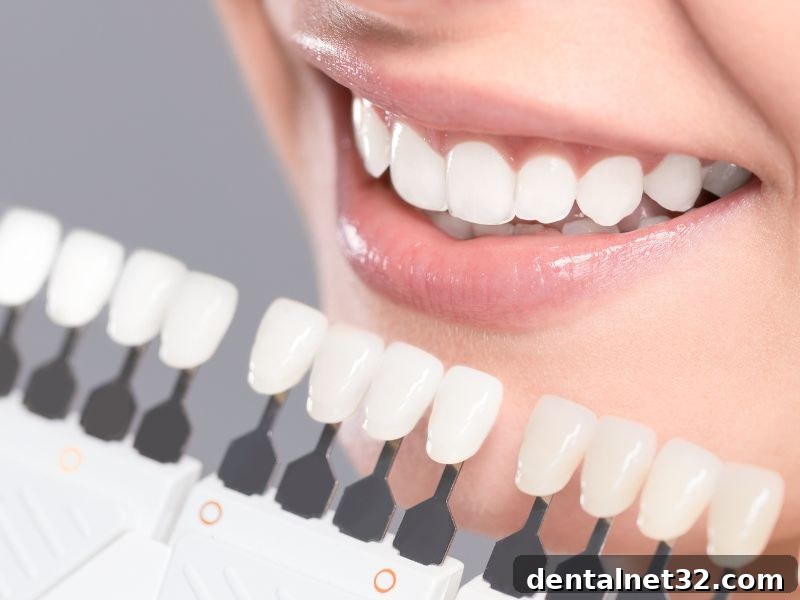
A radiant, white smile is often seen as a hallmark of health and confidence. According to a study by the American Academy of Cosmetic Dentistry, the most requested improvement people want for their smile is whiter teeth. This demand has led to a booming market of teeth whitening solutions, ranging from professional dental procedures to a vast array of over-the-counter (OTC) products.
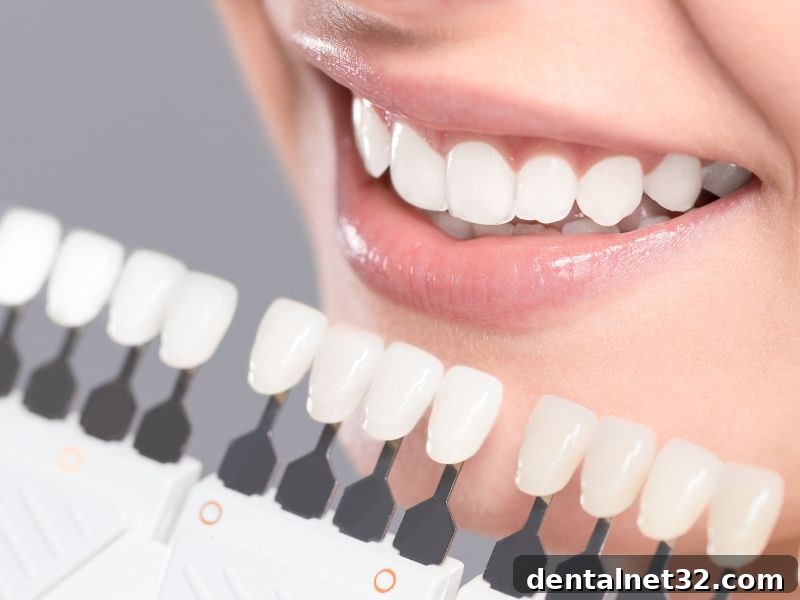
If you’re considering brightening your smile, it’s essential to understand the different options available. Navigating the choice between professional teeth whitening and at-home kits can be confusing. This guide will delve into the facts, explore how whitening works, and outline what you can realistically expect from each method. Before beginning any whitening treatment, it is crucial to consult with your dental provider to ensure you are a suitable candidate and to determine the most effective and safest approach for your unique dental health profile.
At Sninski & Schmitt Family Dentistry, we frequently guide our patients through the teeth whitening process. In this comprehensive article, we will compare the benefits and drawbacks of professional whitening versus over-the-counter products to provide you with the essential information you need to make an informed decision for a brighter smile.
Understanding Tooth Discoloration: Types and Causes
The natural color of your teeth can change over time due to a variety of factors. The outermost layer of your teeth, the enamel, is responsible for protecting the inner layers from damage and decay. While enamel is the hardest substance in the human body, it is also porous, which means it can absorb pigments from foods and beverages, leading to stains.
Tooth stains are generally classified into two main categories: extrinsic and intrinsic.
- Extrinsic Stains: These are surface-level stains that affect the enamel. They are typically caused by lifestyle and environmental factors.
- Intrinsic Stains: These stains are located within the inner structure of the tooth, in the dentin layer, which is naturally more yellow than enamel. Intrinsic stains are often a result of trauma, medication, excessive fluoride exposure during tooth development, or simply the natural aging process.
Common Culprits Behind Stained Teeth
Several factors can contribute to the dulling or yellowing of your smile. Understanding these causes can help you maintain your whitening results long-term.
Foods and Drinks
Many of our favorite foods and beverages contain strong color pigments called chromogens. These pigments, along with acidic compounds and tannins, can attach to and stain tooth enamel. Key offenders include coffee, tea, red wine, dark sodas, berries, tomato sauce, and soy sauce.
Tobacco Use
Both smoking and chewing tobacco are major contributors to tooth discoloration. The tar in tobacco is naturally dark, while nicotine, although colorless, turns into a yellow, staining substance when it comes into contact with oxygen.
Age and Genetics
As we age, our tooth enamel naturally thins, allowing the yellowish dentin layer underneath to show through more prominently. Additionally, some people are genetically predisposed to have thinner or more transparent enamel, making their teeth appear less white from a young age.
Trauma or Injury
A significant impact on a tooth, such as from a fall or a sports injury, can disrupt blood flow and cause the tooth to “die.” This can lead to the tooth developing a gray, brown, or black appearance as the inner tissue darkens. It’s vital to have any dental trauma assessed by a professional.
Medications
Certain medications are known to cause intrinsic staining. Antibiotics like tetracycline and doxycycline can cause discoloration if taken by children whose teeth are still developing. Some antihistamines, antipsychotics, and medications for high blood pressure can also have a darkening effect. Furthermore, treatments like chemotherapy and head/neck radiation can affect tooth color.
A Closer Look at Teeth Whitening Options
Teeth whitening is a chemical process that breaks down stains to reveal a brighter tooth shade. Most whitening products, whether professional or OTC, use a peroxide-based bleaching agent—either hydrogen peroxide or carbamide peroxide. Carbamide peroxide breaks down into hydrogen peroxide as its active ingredient. These agents penetrate the porous enamel to break apart the discolored molecules, making your teeth appear whiter and brighter.
The Gold Standard: Professional Teeth Whitening
When you choose professional teeth whitening, you are opting for a treatment supervised by a dental expert. This method is considered the safest and most effective way to achieve significant, long-lasting results. Professional solutions contain a higher concentration of peroxide, allowing for faster and more dramatic changes.
In-Office Whitening Treatment
This is the fastest way to whiten your teeth. During a single visit, which typically lasts about an hour, your dentist will protect your gums and soft tissues with a special barrier. A powerful whitening gel is then carefully applied to your teeth. Often, a specialized light or laser is used to activate the gel and accelerate the whitening process. You can leave the dental office with a noticeably brighter smile.
Custom Take-Home Whitening Trays
For those who prefer to whiten their teeth in the comfort of their home but still want professional-grade results, custom trays are an excellent option. Your dentist will take impressions of your teeth to create trays that fit your mouth perfectly. This custom fit ensures the whitening gel is applied evenly across all tooth surfaces and minimizes contact with your gums, preventing irritation. You’ll be provided with professional-strength gel and instructions on how to use the kit over a period of a few weeks.
Key Benefits of Professional Whitening
- Safety and Supervision: Your dentist will first conduct an exam to ensure you don’t have cavities or gum disease that could be exacerbated by whitening. Throughout the process, your oral health is monitored.
- Potent and Effective: Professional-grade bleaching agents provide faster, more noticeable, and more uniform results than any OTC product can offer.
- Customized for You: The treatment is tailored to your specific needs, desired shade, and sensitivity level, ensuring a comfortable and effective experience.
- Lasting Results: While no whitening is permanent, professional treatments offer a more durable and long-lasting brightness that can be maintained with good oral hygiene.
- Gum and Tooth Protection: In-office procedures and custom trays are designed to protect sensitive gums and oral tissues from the potent bleaching agents.
Navigating Over-the-Counter (OTC) Whitening Products
The dental care aisle at any store is filled with products promising a brighter smile. These options are more accessible and generally less expensive upfront. However, they contain lower concentrations of bleaching agents and lack professional oversight, which can lead to mixed results and potential risks.
Whitening Toothpastes
Most whitening toothpastes contain mild abrasives that work to scrub away surface stains. They can be effective at removing extrinsic discoloration from coffee or food but do not change the actual intrinsic color of your teeth. Overuse can potentially lead to tooth sensitivity.
Whitening Strips and Gels
These are thin, flexible strips coated with a peroxide-based gel that you apply directly to your teeth. You typically wear them for 30 minutes to an hour each day for a couple of weeks. While popular, they can be difficult to apply evenly, potentially leading to a splotchy appearance. They may also not reach the crevices between teeth.
Universal Whitening Trays
These are one-size-fits-all trays that you fill with a whitening gel. Because they are not custom-molded to your teeth, they often fit poorly. This can cause the whitening gel to leak out and irritate your gums, and it can also result in uneven whitening.
Whitening Rinses
These mouthwashes contain a small amount of peroxide. Because the rinse is only in contact with your teeth for a very short time (about 60 seconds), its whitening effect is minimal. It’s often considered more of a maintenance product than an effective whitening solution.
Potential Downsides of OTC Solutions
- Increased Sensitivity and Irritation: Without professional guidance, it’s easier to overuse products or have them come into contact with your gums, leading to significant sensitivity and irritation.
- Uneven or Splotchy Results: One-size-fits-all strips and trays often fail to cover all tooth surfaces evenly, resulting in a patchy outcome.
- Slower and Less Dramatic: The lower concentration of bleaching agents means it will take much longer to see results, which are often less significant than what professional treatments can achieve.
Which Teeth Whitening Option is Best for You?
Ultimately, the best choice depends on your individual needs, goals, and dental health. Consider the following factors when making your decision:
- Your Desired Results: Are you looking for a dramatic, multi-shade transformation, or just a subtle brightening of surface stains?
- Your Timeline: Do you need a brighter smile quickly for an upcoming event, or are you willing to wait weeks for gradual results?
- Your Budget: While professional whitening has a higher upfront cost, it can be more cost-effective in the long run due to its superior and longer-lasting results.
- Your Oral Health: If you have sensitive teeth, crowns, fillings, or underlying dental issues, consulting with a dentist is not just recommended—it’s essential for your safety.
A conversation with your dentist can help you weigh these factors and select the whitening method that will safely and effectively deliver the beautiful, bright smile you desire.
Schedule Your Professional Teeth Whitening Consultation
If you’re ready to enhance your smile safely and effectively, the team at Sninski & Schmitt Family Dentistry is here to help. We offer professional teeth whitening solutions at both of our convenient locations to help you achieve your smile goals. Our experienced dental professionals are dedicated to providing personalized care to whiten your teeth and give you a smile you’ll love to share. To schedule an appointment, please call our Holly Springs office at 919-600-6262 or our Cary, NC office at 919-467-2203. You can also use our online form to request a visit. We look forward to helping you achieve a brilliantly bright smile!