
In times of widespread health concerns, such as the rapid spread of a novel virus, our daily lives and routines are often disrupted. National and local shutdowns can affect businesses, schools, and even healthcare services, leading many to question what is considered an essential service. This uncertainty extends to dental care. Is a visit to the dentist essential? If you need to see a dentist in Cary, what steps can you take to ensure your safety? This comprehensive guide will help you navigate your dental health needs, understand what constitutes an emergency, and learn about the enhanced safety protocols in place to protect you and your family.
Prioritizing Your Oral Health at Home
The first line of defense in protecting your oral health is maintaining a robust at-home care routine. While disruptions to your normal schedule are understandable, your dental hygiene should remain a top priority. A consistent routine not only prevents common dental issues like cavities and gum disease but also plays a vital role in supporting your overall immune system. A healthy mouth can reduce the bacterial load on your body, allowing your immune system to focus on other threats.
Here are some best practices for maintaining excellent dental health at home:
- Master Your Brushing Technique: Brush your teeth at least twice a day for two full minutes each time. Use a soft-bristled toothbrush and fluoride toothpaste. Angle the brush at 45 degrees towards the gum line and use gentle, circular motions to clean all surfaces of your teeth.
- Don’t Skip the Floss: Flossing daily is crucial for removing plaque and food particles from between your teeth and under the gum line, areas your toothbrush can’t reach. This simple step is one of the most effective ways to prevent cavities and gum disease.
- Mind Your Diet: With more time spent at home, it can be tempting to snack on sugary foods and drinks. These can contribute to tooth decay. Try to limit your intake of sugar and opt for tooth-friendly snacks like cheese, nuts, and fresh vegetables.
- Stay Hydrated: Drinking plenty of water helps rinse away food particles and keeps your saliva levels high. Saliva is your body’s natural defense against tooth decay, as it neutralizes acids and helps remineralize your teeth.
- Manage Stress: Stress and anxiety can lead to habits like teeth grinding (bruxism) or jaw clenching, which can damage your teeth and cause jaw pain. Be mindful of these habits and consider stress-reducing activities like meditation or exercise.
Identifying a True Dental Emergency
While preventative care is key, dental emergencies can and do happen. Knowing when to seek immediate professional help is critical. During a public health crisis, it is especially important to contact your dentist for an emergency rather than visiting a hospital emergency room. Dental offices are equipped to handle these specific issues, which keeps ERs free for medical emergencies and reduces your potential exposure to other illnesses. If you experience any of the following, call your dentist right away:
- Severe, Persistent Tooth Pain: A toothache that is severe, throbbing, and not relieved by over-the-counter pain medication can be a sign of a serious infection or abscess.
- Swelling in the Gums, Jaw, or Face: Swelling is a common indicator of a dental abscess, which is a pocket of pus caused by a bacterial infection. An untreated abscess can lead to life-threatening complications.
- Traumatic Injury to the Mouth: Any significant injury that results in a knocked-out, cracked, or broken tooth requires immediate attention to save the tooth and prevent further damage.
- Lost or Broken Crown or Filling: While not always painful, a lost restoration can leave the sensitive inner layers of your tooth exposed, leading to pain and further decay. It’s important to have it addressed promptly.
- Uncontrolled Bleeding: Bleeding from the gums or mouth that does not stop after applying pressure is a serious concern and requires professional care.
It is crucial to avoid the emergency room for these dental issues. A dentist has the specialized tools, training, and controlled environment to treat you safely and effectively, ensuring you get the right care while protecting community health resources.
Enhanced Safety and Precautions at Your Dentist’s Office
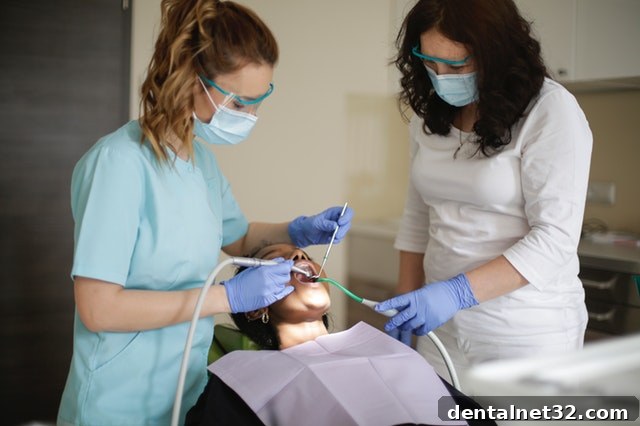
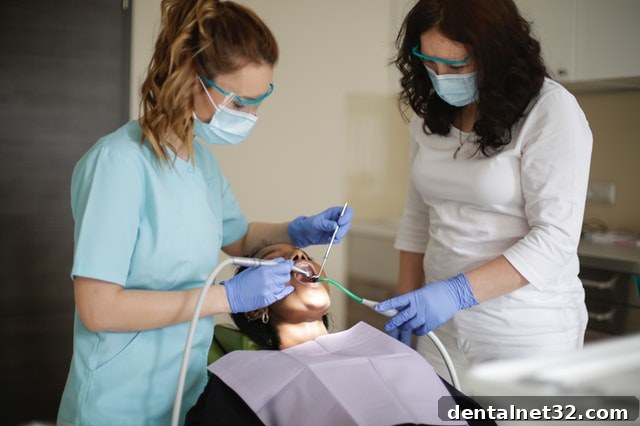
The health and safety of patients and staff are the top priority for dental professionals. The risk of virus transmission in a modern dental office is extremely low due to long-standing, rigorous infection control standards that have been further enhanced. Dental healthcare professionals adhere to strict protocols, including the use of fresh personal protective equipment (PPE) such as gowns, masks, gloves, and face shields for every patient.
In addition to standard practices, many dental offices in Cary and Holly Springs have implemented advanced safety measures, including:
- Pre-Appointment Screenings: You may be asked health-related questions over the phone before your appointment and again upon arrival.
- Virtual Waiting Rooms: To promote social distancing, many offices ask patients to check in from their car and wait to be called or texted when the treatment room is ready.
- Temperature Checks: Non-contact temperature readings may be taken for all patients and staff entering the office.
- Enhanced Air Purification: Medical-grade HEPA air filtration systems are often used to continuously clean the air, capturing airborne particles.
- Rigorous Disinfection: All patient areas, instruments, and high-touch surfaces are meticulously disinfected and sterilized between every appointment, exceeding standard guidelines.
What to Do If You Need Dental Care and Have Symptoms
If you are experiencing a dental emergency but have tested positive for a virus, have been exposed to someone who has, or are showing respiratory symptoms, you can and should still seek care. It is imperative that you inform the dental office of your health status when you call to make an appointment.
Common symptoms to be aware of include:
- Fever of 100.4°F (38°C) or higher
- A new or worsening dry cough
- Sore throat
- Shortness of breath or difficulty breathing
- Unusual fatigue
- Loss of taste or smell
By providing this information upfront, you allow the dental team to take additional precautions to treat you safely while protecting other patients and staff. This may involve scheduling your appointment at a specific time of day or in a designated treatment room.
The Importance of Maintaining Routine Dental Checkups
While some dental offices may temporarily limit their services to emergency-only care during a health crisis, many, like Sninski & Schmitt Family Dentistry, continue to provide routine cleanings and preventative appointments by following the most stringent safety guidelines. Postponing regular dental checkups for an extended period can lead to minor issues becoming major problems.
Preventative care is essential because it allows your dentist to detect potential issues like small cavities, early-stage gum disease, or even signs of oral cancer before they become more complex and costly to treat. A professional cleaning removes hardened plaque (tartar) that you can’t remove at home, which is vital for long-term gum health. By maintaining your routine appointments, you are making a proactive investment in both your oral and overall health.
Schedule Your Appointment with Confidence
Whether you are facing a dental emergency or are due for a routine checkup, you can feel confident in the safety and care you will receive. If you have any questions about our enhanced safety protocols or wish to schedule an appointment, we encourage you to reach out. Your health is our utmost priority.
To speak with our team at our dentist office in Cary, please call 919-467-2203. For our Holly Springs location, please call 919-600-6262. We are here to support your dental health journey every step of the way.