Knocked Out a Tooth? Step-by-Step Guide to Save It Quickly
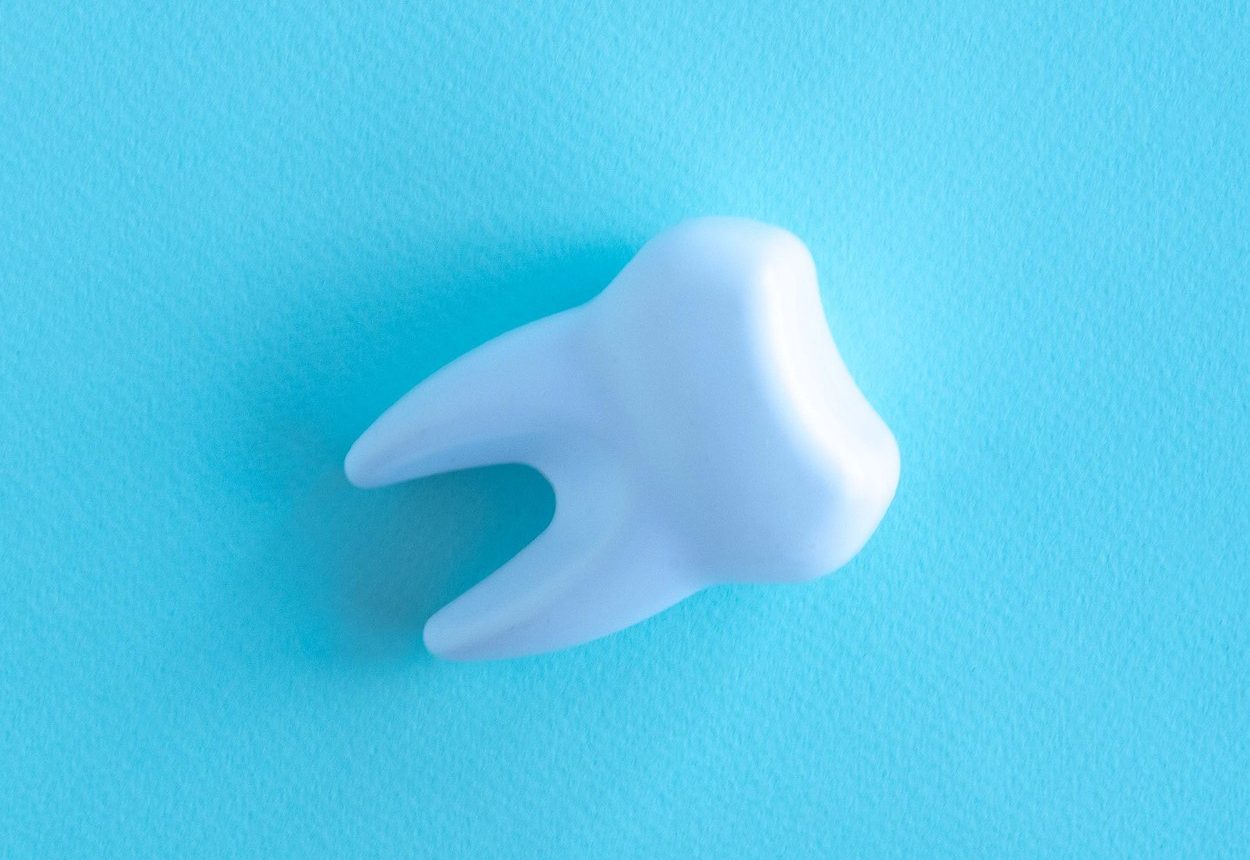
Accidents happen, and losing a tooth can be distressing. It may feel permanent, but if you act quickly and handle the tooth correctly, a dentist may be able to save and reattach it with minimal long-term effects. The outcome depends on the tooth’s condition and how it’s managed immediately after the injury. Below is clear, practical guidance on what to do — and what to avoid — when a tooth is knocked out.
Baby Teeth vs. Adult (Permanent) Teeth
Whether the tooth is a baby (primary) tooth or a permanent (adult) tooth makes a big difference. Permanent teeth can often be replanted successfully if treated promptly. Baby teeth generally should not be replanted because attempting to do so can damage the developing permanent tooth underneath.
If you are unsure what type of tooth was lost, treat the situation as an emergency and contact a dental professional immediately for advice and care.
What to Do Immediately
Act quickly. Ideally, you should see a dentist within 30–60 minutes. The sooner the tooth is replanted, the better the chance the root’s ligament fibers can heal and reattach.
Handle the tooth gently by the crown (the chewing surface). Avoid touching the root because the cells on the root surface are fragile and important for successful reattachment.
If the tooth is dirty, rinse it briefly with cold milk, saline solution, or water if nothing else is available. Do not scrub the tooth, and never use soap, chemicals, or a cloth to clean it.
If it is safe and the person can cooperate, try to reposition the tooth back into its socket. Gently push it into place and have the person bite down on sterile gauze or a clean cloth to hold it. If reinserting the tooth is difficult, risky, or could cause choking, keep the tooth moist by storing it in milk, saline, or a commercial tooth preservation kit.
As a last resort for older children or adults who will not swallow it, you can tuck the tooth between the cheek and gum to keep it moist. Avoid letting the tooth dry out; prolonged storage in plain water is not recommended because it can damage the root cells.
Getting Care
A knocked-out tooth requires immediate dental evaluation, even if the mouth does not hurt. When you arrive for care, the dental team will prioritize preserving the tooth and protecting surrounding tissues. This typically begins with a clinical exam and an X-ray to evaluate the socket, adjacent teeth, and underlying bone.
If the tooth is suitable for replanting, the dentist will gently clean the tooth and the socket and reinsert the tooth. Often a flexible splint will be placed and attached to neighboring teeth to stabilize the replanted tooth while it heals. Follow-up visits are important to monitor healing and remove the splint when appropriate.
To reduce the risk of infection, a dentist may prescribe antibiotics or recommend a tetanus booster when the injury involved soil or contaminated debris. Pain control and managing swelling are part of immediate care. For many mature teeth, a root canal procedure may be recommended within days to weeks after replantation to protect the tooth from infection and improve long-term success.
Conclusion
Quick, careful action and the right handling dramatically improve the chances of saving a knocked-out tooth. Even after you have repositioned a tooth yourself, contact your dentist if you notice ongoing bleeding, looseness, an abnormal bite, severe pain, swelling, or signs of infection such as fever. Seek professional dental care promptly to assess the injury and begin appropriate treatment.
Dental emergencies often occur unexpectedly. If a tooth is knocked out, reach out to your dental provider without delay for guidance and immediate care. Prompt attention offers the best chance of preserving the tooth and preventing complications.
This article is for general information and does not replace an examination by a licensed dentist.