
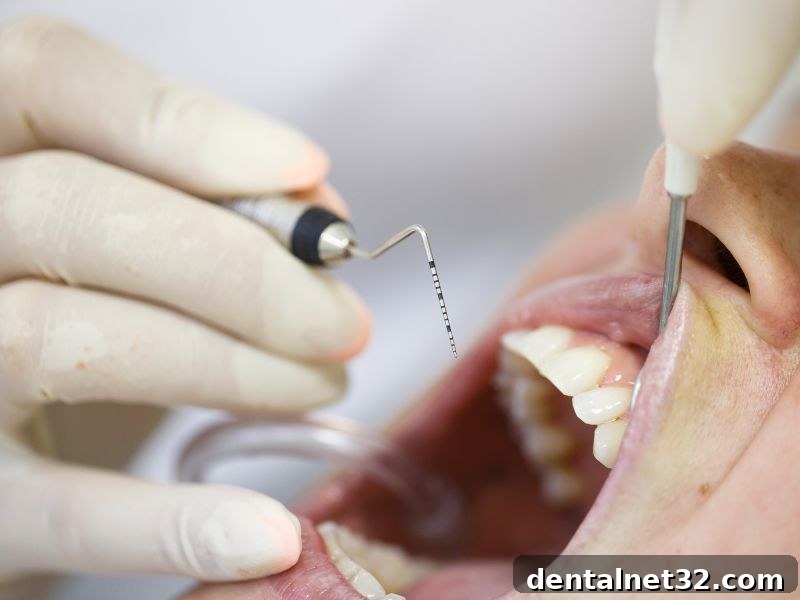
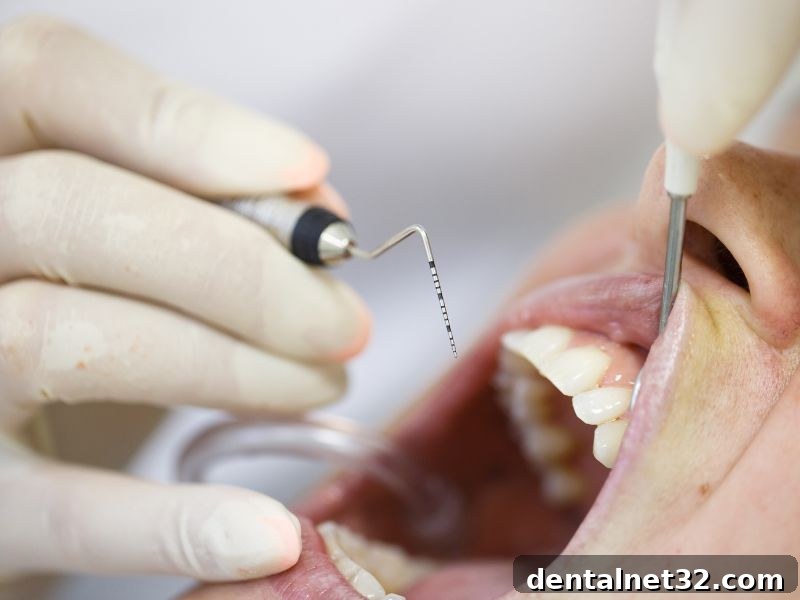
Gum disease, clinically known as periodontitis, stands as a primary cause of tooth loss in adults. This serious infection targets the soft tissues of your gums, and if left untreated, it can progressively destroy the underlying bone that anchors your teeth. When this supportive bone structure is compromised, teeth can become loose and may eventually fall out or require extraction. Understanding the progression of this disease is the first step toward prevention and effective treatment.
Many individuals are unaware they have periodontitis in its early stages because the initial symptoms can be subtle. Often, people experience mild bleeding or soreness while brushing and flossing and dismiss it as temporary irritation. However, unlike a minor infection that might resolve on its own, gum disease requires professional intervention to halt its progression. Ignoring these early warning signs allows the condition to advance, leading to more severe and irreversible damage, including periodontal bone loss.
This comprehensive guide will explore the critical aspects of gum disease. We will delve into the five distinct stages of its development, identify when bone loss typically begins, and discuss the advanced treatments available to not only stop the disease but also to potentially regenerate lost bone tissue. Protecting your oral health means being informed and proactive, and this article provides the essential knowledge to do just that.
A Deeper Look into Gum Disease
Gum disease originates from a persistent buildup of bacteria on the teeth. This bacterial film, known as plaque, thrives in the mouth. If not removed through regular brushing and flossing, it hardens into a substance called tartar or calculus. While plaque can be removed at home, tartar adheres firmly to the tooth surface and can only be eliminated by a dental professional. The bacteria within tartar release toxins that irritate the gum tissue, triggering an inflammatory response from the body. This initial inflammation is called gingivitis.
If tartar is not removed, the inflammation continues, causing the gums to pull away from the teeth, creating small spaces called periodontal pockets. These pockets become a perfect breeding ground for more aggressive bacteria, which can now spread below the gum line. At this point, the body’s immune response intensifies, and in its effort to fight the infection, it begins to break down the gum tissue and jawbone that support the teeth. This destructive process is the hallmark of periodontitis and can only be stopped with professional dental care.
Key Warning Signs and Major Risk Factors for Gum Disease
Being aware of the symptoms and risk factors is crucial for early detection and prevention. If you notice any of the following signs, it is important to schedule a dental examination.
- Persistent bad breath (halitosis) or an unpleasant taste in your mouth.
- Gums that appear red, swollen, or puffy.
- Gums that are tender to the touch or bleed easily during brushing or flossing.
- Pain or discomfort when chewing food.
- Teeth that have become loose or are shifting their position.
- Newly developed sensitivity to hot or cold temperatures.
- Receding gums, which make your teeth appear longer than usual.
- A change in how your upper and lower teeth fit together when you bite.
- Changes in the fit of partial dentures or other dental appliances.
Certain factors can significantly increase your susceptibility to developing periodontal disease:
- Smoking and Tobacco Use: This is one of the most significant risk factors. Smoking impairs your immune system’s ability to fight infection and reduces blood flow to the gums, hindering healing.
- Diabetes: Uncontrolled blood sugar levels make individuals more vulnerable to infections, including gum disease. The relationship is two-way, as severe gum disease can also make it harder to control blood sugar.
- Poor Oral Hygiene: Inconsistent brushing and flossing allow plaque to accumulate and harden into tartar.
- Chronic Stress: High stress levels can weaken your immune system, making it more difficult for your body to combat the bacteria that cause gum disease.
- Heredity: Genetic predisposition can play a role, making some individuals more susceptible to severe gum disease despite good oral care habits.
- Crooked or Crowded Teeth: Misaligned teeth can be difficult to clean effectively, creating areas where plaque can easily build up.
- Defective Dental Work: Poorly fitted fillings, crowns, or bridges can trap bacteria and food particles, contributing to gum inflammation.
- Medications: Certain medications, such as some for high blood pressure or depression, can cause dry mouth (xerostomia), which reduces the protective effects of saliva.
- Hormonal Changes: Fluctuations in hormones during puberty, pregnancy, and menopause can make gums more sensitive and prone to inflammation.
- Weakened Immune System: Conditions like HIV/AIDS or treatments like chemotherapy can compromise the body’s defenses against infection.
The 5 Progressive Stages of Periodontal Disease
Stage 1: Bleeding Gums – The Initial Warning
The very first indication that your gums are not perfectly healthy is often the sight of blood on your toothbrush or in the sink after brushing. While this doesn’t automatically mean you have full-blown gum disease, it is a clear sign of inflammation. Healthy gums are typically firm, pink, and do not bleed. This bleeding is a distress signal from your body, indicating that plaque buildup is irritating your gum line. At this stage, the condition is easily reversible with improved oral hygiene and a professional cleaning.
Stage 2: Gingivitis – The Reversible Stage
In the second stage, the inflammation becomes more pronounced, a condition known as gingivitis. You will likely notice more consistent bleeding, along with visible redness and swelling of your gums. You might also experience some tenderness. The crucial thing to understand about gingivitis is that it is the only stage of gum disease that is completely reversible. At this point, no permanent bone or tissue damage has occurred. A diligent routine of thorough brushing, daily flossing, and a professional dental cleaning can typically resolve gingivitis and restore your gums to full health.
Stage 3: Early Periodontitis – The Point of No Return
If gingivitis is not treated, it progresses to early periodontitis. This is a critical turning point because the damage that occurs from this stage onward is irreversible. The inflammation has now spread beneath the gum line, and the body’s immune response begins to break down the bone and connective tissues that support your teeth. Your gums will start to pull away from the teeth, forming pockets that are typically 4-5 millimeters deep. These pockets harbor harmful bacteria that cannot be removed with a regular toothbrush. Professional intervention, such as a deep cleaning procedure called scaling and root planing, is essential to remove the tartar buildup from these pockets and halt the disease’s progression.
Stage 4: Moderate Periodontitis – Significant Damage Occurs
As the disease advances to the fourth stage, moderate periodontitis, the damage becomes much more significant. The infection spreads deeper, causing more substantial bone loss around the teeth. The periodontal pockets deepen, often reaching 6-7 millimeters, allowing even more destructive bacteria to thrive. At this stage, teeth may start to feel loose or shift, and you might experience increased sensitivity and discomfort. Treatment becomes more complex, often requiring scaling and root planing combined with localized antibiotic treatments placed directly into the pockets to control the infection.
Stage 5: Advanced Periodontitis – The Final Stage
The fifth and final stage, advanced periodontitis, is characterized by severe destruction of the supporting bone and tissues. The pockets are now extremely deep, often filled with pus, leading to chronic bad breath, a bad taste, and potentially painful abscesses. Your teeth will likely be very loose, affecting your ability to chew and altering your bite. There is a high risk of tooth loss at this stage. Treatment is aggressive and may involve periodontal surgery to clean the deep pockets, gum grafts to cover exposed roots, or bone grafts to attempt to regenerate some of the lost bone structure. Without intensive surgical intervention, tooth loss is almost inevitable.
Understanding Periodontal Bone Loss
Periodontal bone loss is the gradual destruction of the jawbone that encases the roots of your teeth. This process begins in Stage 3 (Early Periodontitis) and accelerates through Stages 4 and 5. The mechanism is a complex interaction between bacterial toxins and the body’s own immune system. As harmful bacteria colonize the periodontal pockets, they trigger a state of chronic inflammation. In an attempt to eliminate the bacterial invaders, the immune system releases enzymes and other substances that, while fighting the infection, also inadvertently break down the collagen in the gum tissue and the minerals in the bone. The deeper the pockets become, the more protected the bacteria are, creating a vicious cycle of infection, inflammation, and bone destruction.
Is It Possible to Treat and Regenerate Lost Bone?
It is a critical fact that once the jawbone is lost due to periodontal disease, it cannot regenerate on its own. The body does not naturally regrow this type of bone in the same way it might heal a simple fracture. However, modern dentistry offers several advanced surgical procedures designed to promote bone regrowth in affected areas and provide a new foundation for the teeth.
Bone Grafting for Periodontal Regeneration
Bone grafting is a surgical procedure aimed at rebuilding the jawbone. It involves placing new bone material in the areas where bone has been lost. This material can come from various sources: your own body (autograft), a human tissue bank (allograft), an animal source (xenograft), or a synthetic, biocompatible material (alloplast). The graft material serves two purposes: it provides immediate physical support to the tooth, and more importantly, it acts as a scaffold, or framework, upon which your body can grow new, natural bone over time. During the procedure, the periodontist makes an incision to expose the bone, thoroughly cleans the area of infection, and then places the graft material. Often, a special dissolvable membrane is placed over the graft to guide the regeneration process and prevent gum tissue from growing into the space intended for new bone.
Enhancing Healing with Plasma Rich in Growth Factors (PRGF)
To further enhance the success of bone grafting and accelerate healing, a technique called Plasma Rich in Growth Factors (PRGF) can be utilized. This innovative procedure uses a concentration of your own blood’s healing properties. A small sample of your blood is taken and placed in a centrifuge, which spins it to separate the platelets and growth factors from other blood cells. This resulting plasma is rich in proteins that are instrumental in tissue repair and regeneration. When this PRGF is applied to the surgical site along with the bone graft, it can significantly stimulate new bone tissue growth and speed up the overall healing process, leading to a more predictable and robust outcome.
Take Control of Your Gum Health: Consult a Dental Professional
If you recognize any of the warning signs of gum disease, from simple bleeding gums to loose teeth, it is imperative to seek professional dental care immediately. Periodontitis is a progressive condition that will not improve or disappear without treatment. Early detection and intervention are the keys to preventing severe damage and tooth loss. A qualified dentist can accurately diagnose the stage of your condition and recommend the most effective treatment plan to restore your oral health. Do not wait for the symptoms to worsen. Schedule an appointment with your local dental office to ensure your gums are healthy and your smile is protected for years to come.