
A Comprehensive Guide to Fluoride Treatments: What They Do and Why You Need Them
When it comes to maintaining a healthy, radiant smile, brushing and flossing are the undisputed champions. But there’s another powerful ally in the fight against tooth decay: fluoride. You’ve likely seen it listed as an active ingredient in your toothpaste or heard about it being added to public water supplies. Professional fluoride treatments, however, offer a concentrated dose of protection that is a cornerstone of modern preventive dentistry. But what exactly do these treatments do, and how do they work their magic?
This guide will delve deep into the world of fluoride, exploring its role in oral health, the science behind its effectiveness, and why a professional treatment might be one of the best investments you can make for your teeth. Whether you’re a parent concerned about your child’s dental future or an adult looking to fortify your own smile, understanding fluoride is key to unlocking a lifetime of better oral health.
What is Fluoride and How Does It Protect Teeth?
Before we explore the treatments themselves, it’s essential to understand what fluoride is. Fluoride is a naturally occurring mineral found in varying amounts in soil, water sources, and many foods. In dentistry, it’s celebrated for its incredible ability to strengthen tooth enamel—the hard, outer protective layer of your teeth.
Your mouth is a dynamic environment where a constant battle is taking place. This battle is between demineralization and remineralization.
- Demineralization: Every time you eat or drink sugary or starchy foods, the bacteria in dental plaque produce acids. These acids attack your tooth enamel, leaching out vital minerals like calcium and phosphate. This process weakens the enamel and is the first step toward cavity formation.
- Remineralization: Fortunately, your body has a natural defense mechanism. Your saliva contains calcium and phosphate, which it deposits back onto the enamel, rebuilding and strengthening it.
So, where does fluoride fit in? Fluoride is like a superhero that supercharges the remineralization process. Here’s how it works:
- Enhances Remineralization: When fluoride is present in your saliva, it accumulates on the demineralized enamel. It attracts other minerals, like calcium and phosphate, speeding up the natural repair process.
- Creates Stronger Enamel: The new mineral crystals created during this fluoride-enhanced remineralization form a substance called fluorapatite. Fluorapatite is significantly harder and more resistant to future acid attacks than the original enamel (hydroxyapatite).
- Inhibits Bacteria: Fluoride can also disrupt the activity of acid-producing bacteria in plaque, reducing their ability to cause decay in the first place.
In short, fluoride not only helps repair early-stage tooth decay but also builds a stronger, more resilient shield for your teeth.
Sources of Fluoride: From Your Tap to the Dentist’s Chair
You can get the dental benefits of fluoride in several ways, each playing a unique role in your overall oral hygiene routine. These sources are generally categorized as systemic (ingested) or topical (applied directly to teeth).
Community Water Fluoridation
For over 75 years, community water fluoridation has been a cornerstone of public health. It involves adjusting the natural fluoride concentration in the public water supply to the optimal level for preventing tooth decay. The Centers for Disease Control and Prevention (CDC) has named it one of the 10 great public health achievements of the 20th century. By drinking fluoridated water, you provide a low, consistent level of fluoride to your teeth throughout the day, which helps in the ongoing remineralization process.
At-Home Fluoride Products
The most common way people use fluoride daily is through over-the-counter products:
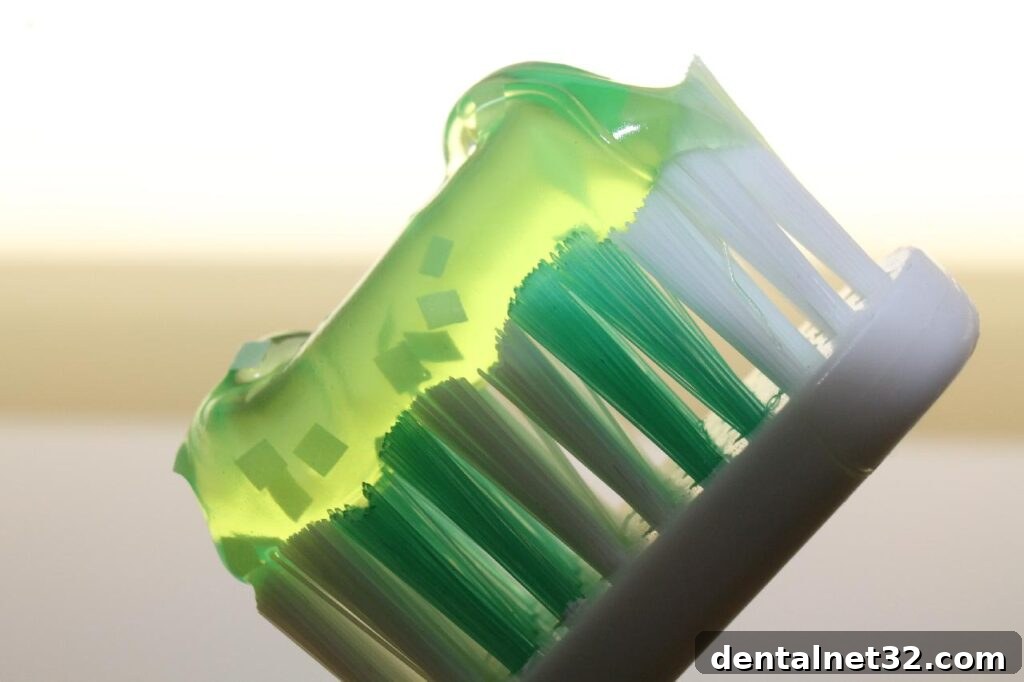
- Fluoride Toothpaste: Brushing twice a day with a fluoride toothpaste approved by the American Dental Association (ADA) is the most effective way to fight cavities at home. It delivers a topical application of fluoride directly to your teeth.
- Fluoride Mouth Rinses: For those at a higher risk of decay, a dentist might recommend an over-the-counter or prescription fluoride mouth rinse. This provides an extra layer of topical protection after brushing.
Professional Fluoride Treatments
While daily home care is crucial, professional fluoride treatments offered at a dental office provide a significantly higher concentration of fluoride for maximum benefit. These treatments are applied directly to the teeth and are designed to provide a powerful, long-lasting boost of protection. They come in several forms, including:
- Varnish: This is a sticky, paint-on application that sets quickly upon contact with saliva. It’s the most common method used today, especially for children, as it’s easy to apply and continues to release fluoride for several hours.
- Gel or Foam: This method involves filling a mouth tray with fluoride gel or foam, which you then wear for a few minutes. It’s a highly effective but less common method now compared to varnish.
These professional treatments can effectively halt early decay, strengthen enamel, and reduce tooth sensitivity.
Who Needs Professional Fluoride Treatments?
While often associated with pediatric dentistry, fluoride treatments offer significant benefits for adults as well. Your dentist may recommend a professional application if you fall into any of the following high-risk categories:
- Children and Adolescents: Young children are still developing their oral hygiene habits, and their newly erupted teeth are often more susceptible to decay. Regular fluoride treatments are a key preventive measure.
- History of Frequent Cavities: If you consistently get cavities, it’s a clear sign that your teeth need extra protection.
- Dry Mouth (Xerostomia): Saliva is essential for neutralizing acid and remineralizing teeth. Conditions or medications that cause dry mouth drastically increase your risk of decay, making fluoride crucial.
- Gum Disease (Gingivitis or Periodontitis): Receding gums can expose the roots of your teeth, which are not protected by enamel and are much more vulnerable to decay.
- Presence of Crowns, Bridges, or Braces: Dental appliances can create nooks and crannies where plaque can accumulate, increasing the risk of cavities around the restorations or brackets.
- High Sugar/Carbohydrate Diet: Frequent consumption of sugary or acidic foods and drinks fuels the bacteria that cause decay.
The Safety of Fluoride: Addressing Common Concerns
Despite decades of research confirming its safety and effectiveness, fluoride is sometimes the subject of misinformation. It’s important to separate fact from fiction. When used correctly and in appropriate amounts, fluoride is overwhelmingly safe and beneficial for dental health.
The key principle, as with many things, is the dose. The amount of fluoride used in water fluoridation, dental products, and professional treatments is carefully controlled to maximize benefits while minimizing risk. The most common concern is dental fluorosis, a cosmetic condition that can cause faint white lines or streaks on the teeth. It’s important to note that this condition:
- Only occurs when children consume excessive amounts of fluoride during the years their teeth are developing under the gums.
- Is not harmful to health and, in its mildest form, is often unnoticeable.
- Is not a risk from professionally applied topical treatments, as very little is swallowed.
Major health organizations worldwide, including the World Health Organization (WHO), the American Dental Association (ADA), and the American Academy of Pediatrics (AAP), continue to endorse fluoride as a safe and vital tool for public health.
Conclusion: Your Partner in Cavity Prevention
Fluoride treatments are a simple, painless, and highly effective way to protect your teeth from decay. By working to rebuild enamel and making it more resistant to acid, fluoride acts as a powerful shield for your smile. From the water you drink to the toothpaste you use, fluoride plays a constant, protective role. A professional fluoride treatment from your dentist elevates that protection to the next level, offering a concentrated defense against cavities.
Talk to your dentist during your next checkup to determine if a professional fluoride treatment is right for you or your family. It’s a small step that can make a huge difference in achieving and maintaining a healthy smile for life.