
The Ultimate Guide to Laser Dentistry: A Revolution in Dental Care
Since their groundbreaking discovery in the 1960s, lasers have seamlessly integrated into our daily lives, transforming everything from how we listen to music to how we receive medical care. This powerful technology, once the stuff of science fiction, is now a cornerstone of modern medicine, used in procedures ranging from vision correction to complex surgeries. It was only a matter of time before dentistry embraced this innovation. Since its introduction in the 1990s and subsequent approval by the Food and Drug Administration (FDA) for numerous procedures, laser dentistry has been changing the patient experience for the better.
This advanced approach offers a less invasive, more comfortable, and highly effective alternative to traditional dental methods. If the thought of a dental drill sends shivers down your spine, laser dentistry might be the gentle, quiet, and precise solution you’ve been waiting for. Let’s explore how this technology is revolutionizing oral health.
What Exactly Is Laser Dentistry?
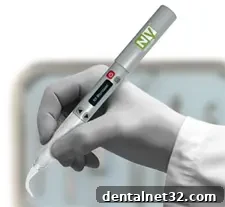
At its core, laser dentistry utilizes intensely focused beams of light energy to perform a wide array of dental procedures. The term “LASER” is an acronym for “Light Amplification by Stimulated Emission of Radiation.” A dental laser is a sophisticated instrument that generates a specific wavelength of light, which can be precisely aimed to interact with oral tissues. Different lasers are used for different types of procedures. Some are designed to work on hard tissues like teeth and bone, while others are specialized for soft tissues like gums.
By adjusting the laser’s wavelength and power, a dentist can perform intricate tasks with incredible accuracy. This technology allows for the removal or reshaping of tissue, making it a versatile tool that enhances both routine and complex dental work.
The Key Benefits of Choosing Laser Dentistry
Patients and dentists alike are embracing laser technology for its numerous advantages over conventional methods. The experience is often smoother, quicker, and significantly more comfortable.
Minimized Pain and Discomfort
One of the most significant benefits is the reduction in pain. Many laser procedures are so gentle that they require little to no anesthetic. The laser’s energy often seals nerve endings as it works, which dramatically minimizes discomfort both during and after the treatment. This makes it an ideal option for anxious patients or those who have a fear of needles.
Reduced Bleeding and Swelling
Traditional procedures involving scalpels can cause significant bleeding. In contrast, the laser’s high-energy beam cauterizes the tissue as it cuts, meaning it seals blood vessels instantly. This results in minimal bleeding, a clearer view of the treatment area for the dentist, and less postoperative swelling for the patient.
Faster Healing and Recovery
Because laser dentistry is less invasive, the body’s healing response is much faster. The precision of the laser ensures that surrounding healthy tissues are left untouched, which reduces trauma to the area. Patients often report a much shorter and more comfortable recovery period compared to traditional surgery.
Enhanced Precision and Accuracy
Lasers provide dentists with an unparalleled level of control. They can remove tiny, specific amounts of tissue without affecting adjacent areas. This precision is crucial for cosmetic procedures, cavity preparation, and delicate gum treatments, ensuring optimal results.
Lower Risk of Infection
The light beam from a dental laser sterilizes the area as it works. This high-energy light effectively kills bacteria and other pathogens on contact, significantly reducing the risk of bacterial infections following the procedure.
Common Applications of Laser Dentistry in Modern Practice
Laser technology is incredibly versatile, with applications spanning from preventive care to complex surgical and cosmetic procedures. Here are some of the most common ways dentists use lasers to improve patient outcomes.
Treating Periodontal (Gum) Disease
Gum disease is a widespread issue, affecting a large portion of the adult population. If left untreated, the bacteria in periodontal pockets can lead to bone loss, loose teeth, and eventually tooth loss. Laser therapy is a powerful tool in combating this condition. A specialized diode laser can be used to target and vaporize diseased tissue within the gum pockets, leaving healthy tissue unharmed. This process also eliminates the harmful bacteria responsible for the infection. Studies have shown that combining laser therapy with traditional deep cleaning (scaling and root planing) can increase the reduction of bacteria from 60% to over 90%, offering a more effective and predictable outcome than antibiotics or surgery alone.
Biopsies and Lesion Treatment
Lasers offer a superior method for performing biopsies and treating oral lesions.
- Biopsy Sampling: If a dentist spots a suspicious area of tissue, a laser can be used to remove a small sample for cancer screening. This method is far less invasive than using a scalpel, often requiring no anesthetic and resulting in rapid, scar-free healing.
- Lesion Treatment: Painful canker sores, cold sores, and other oral ulcers can be treated quickly with a laser. The laser energy neutralizes the virus or bacteria causing the sore, provides immediate pain relief, and encourages faster healing. A treatment that might naturally take 10-14 days to heal can be resolved much more quickly with a short, four-minute laser session.
Cosmetic Dentistry and Smile Enhancement
A beautiful smile is about more than just teeth; it’s also about the balance and harmony of the gums. Lasers are a key instrument in cosmetic gum procedures.
- Gummy Smile Correction: For individuals with excessive gum tissue that makes their teeth appear short (a “gummy smile”), a laser can be used to precisely reshape the gum line. This procedure, known as a gingivectomy, removes a small amount of tissue to expose more of the natural tooth, creating a more balanced and aesthetically pleasing smile.
- Crown Lengthening: Similar to gummy smile correction, this procedure reshapes both gum and bone tissue to expose more of a tooth’s surface, which may be necessary to properly fit a crown or veneer.
Accurate Impressions for Restorations
When creating crowns, bridges, or dentures, getting a perfect impression of the tooth and gum line is critical. Sometimes, the edge of the restoration needs to sit below the gum line. Traditionally, dentists pack a special cord around the tooth to gently push the gums away. A laser can perform this task, a procedure called “troughing,” more quickly and effectively. It gently removes a tiny bit of tissue and controls bleeding, allowing for a highly accurate and detailed mold to be sent to the dental lab.
Is Laser Dentistry Safe?
Absolutely. When performed by a trained and certified dentist, laser dentistry is one of the safest and most effective treatment options available. The FDA has deemed numerous laser procedures to be safe for both adults and children. Furthermore, laser therapy presents unique safety benefits. Since a laser is essentially amplified light, it is safe for patients with medical conditions that might preclude other technologies. For example, lasers can be used safely around metal, making them suitable for patients with dental implants or braces. They are also considered safe for use during pregnancy.
Conclusion: Embracing a Brighter Future for Dental Health
The advancement of laser technology has ushered in a new era of dentistry—one that prioritizes patient comfort, precision, and faster healing. While some may initially think of the powerful lasers from movies, the reality is a gentle, sophisticated tool that delivers exceptional results with minimal discomfort. From managing gum disease to perfecting a smile, laser dentistry provides solutions that are more effective, less invasive, and far less intimidating than their traditional counterparts.
If you’re seeking a modern dental experience that minimizes pain and anxiety while maximizing results, it’s time to ask your dentist about the benefits of laser dentistry. It’s a clear choice for a healthier, more comfortable path to a brilliant smile.