
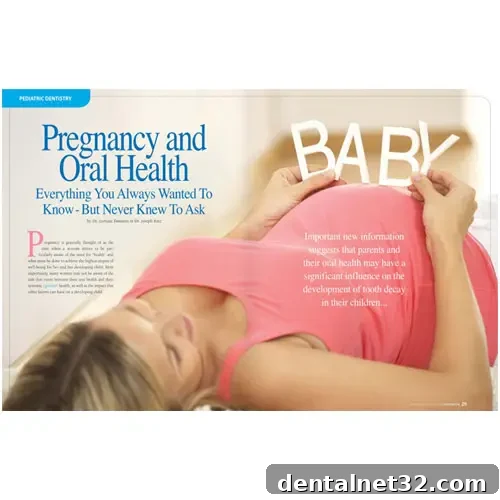
Pregnancy & Oral Health: A Comprehensive Guide for Expectant Mothers
Pregnancy is a transformative journey, filled with excitement, anticipation, and a long list of things to do to prepare for your new arrival. While expectant mothers are often focused on diet, prenatal vitamins, and regular obstetrician visits, one crucial aspect of health is frequently overlooked: oral health. The connection between a healthy mouth and a healthy pregnancy is profound. Hormonal changes during this special time can make your teeth and gums more susceptible to problems, which can, in turn, affect both your well-being and your baby’s development. This guide will walk you through everything you need to know about maintaining excellent oral health during pregnancy.
Why Does Pregnancy Affect Your Oral Health?
During pregnancy, your body undergoes a dramatic hormonal shift. The increased levels of hormones, particularly estrogen and progesterone, are essential for a healthy pregnancy but can have unintended side effects on your mouth. These hormones increase blood flow to all your mucous membranes, including your gums. This heightened circulation can cause your gums to become more sensitive, swollen, and more reactive to the bacteria found in plaque.
Think of it this way: the plaque and bacteria that might have caused minor irritation before pregnancy can now trigger a much stronger inflammatory response. This is why conditions that were dormant or non-existent can suddenly appear or worsen once you become pregnant. Understanding this connection is the first step toward proactive dental care for you and your baby.
Common Oral Health Issues During Pregnancy
Because of these physiological changes, expectant mothers are at a higher risk for several specific dental conditions. Being aware of them can help you spot the signs early and seek timely treatment.
Pregnancy Gingivitis
The most common oral health issue during pregnancy is pregnancy gingivitis. It affects a significant number of expectant mothers, with estimates ranging from 60% to 75%. Symptoms often appear during the second trimester and include:
- Gums that are red, tender, and swollen.
- Gums that bleed easily when you brush or floss.
- Persistent bad breath (halitosis).
This condition is a direct result of the hormonal surge making your gums overreact to even small amounts of plaque. If left untreated, gingivitis can progress to a more serious form of gum disease.
Periodontal Disease
If gingivitis is not managed, it can advance to periodontal disease (or periodontitis). This is a severe infection that damages the soft tissue and destroys the bone that supports your teeth, potentially leading to tooth loss. More alarmingly, there is a growing body of research linking severe periodontal disease in pregnant women to adverse pregnancy outcomes. Studies suggest a connection between maternal gum disease and an increased risk of:
- Preterm birth: Delivering a baby before 37 weeks of gestation.
- Low birth weight: A baby weighing less than 5.5 pounds at birth.
The theory is that the bacteria from the infected gums can enter the bloodstream and travel to the uterus, triggering inflammatory responses that can induce early labor. This makes treating gum disease not just about saving your teeth, but also about protecting your baby’s health.
Pregnancy “Tumors” (Pyogenic Granulomas)
While the word “tumor” sounds frightening, these growths are not cancerous. A pyogenic granuloma is a small, raspberry-like growth that can appear on the gums, typically during the second trimester. They are an extreme inflammatory response to local irritants like plaque and are fueled by pregnancy hormones. These “pregnancy tumors” bleed easily and can be uncomfortable, but they are generally harmless and usually disappear on their own after childbirth. However, if a granuloma interferes with eating or brushing, your dentist may recommend removing it.
Increased Risk of Tooth Decay
Pregnancy can indirectly increase your risk of cavities for several reasons:
- Dietary Changes: Cravings for sugary or carbohydrate-rich foods can become more frequent, providing more fuel for cavity-causing bacteria.
- Morning Sickness: Frequent vomiting exposes your teeth to strong stomach acids, which can erode tooth enamel and make teeth more vulnerable to decay.
- Gag Reflex and Fatigue: Nausea, a sensitive gag reflex, and general exhaustion can sometimes make thorough brushing and flossing a challenge.
Is It Safe to Visit the Dentist While Pregnant?
Absolutely. In fact, it is not only safe but highly recommended. The American College of Obstetricians and Gynecologists (ACOG) and the American Dental Association (ADA) both encourage expectant mothers to maintain their regular dental checkups and seek treatment for any oral health issues.
Communication is Key
The most important step is to inform your dental office that you are pregnant and how far along you are. You should also let them know about any medications you are taking or if your pregnancy is considered high-risk. This information allows your dental team to tailor your treatment plan safely.
Safe Dental Procedures and Timing
Routine procedures like professional cleanings, fillings, and crowns are safe and important for preventing more complex problems. The ideal time for non-emergency dental work is during the second trimester. By this time, the baby’s major organs have developed, and the risk of morning sickness has often subsided. Emergency procedures, such as a root canal or tooth extraction, can be performed at any time during pregnancy to alleviate pain and infection.
Elective treatments, such as teeth whitening or other cosmetic procedures, should be postponed until after your baby is born.
What About Dental X-rays and Anesthesia?
Modern dental X-rays emit extremely low levels of radiation. Furthermore, your dentist will cover you with a leaded apron and thyroid collar to protect you and your baby, making the procedure safe when necessary for diagnosis. Local anesthetics, such as lidocaine, are also considered safe. The amount used is minimal, and it is far better to be comfortable and stress-free during a procedure than to endure pain, which can cause stress to both you and the baby.
Essential Oral Hygiene Tips for a Healthy Pregnancy
Proactive care at home is your first line of defense against pregnancy-related dental problems. Follow these essential tips:
- Brush Thoroughly: Brush your teeth at least twice a day for two minutes each time using a soft-bristled toothbrush and fluoride toothpaste.
- Don’t Skip the Floss: Floss at least once a day to remove plaque and food particles from between your teeth and under the gumline, where your brush can’t reach.
- Manage Morning Sickness: If you vomit, do not brush your teeth immediately afterward. Your teeth are coated in stomach acid, and brushing can scrub this acid into the enamel, causing erosion. Instead, rinse your mouth with a solution of one teaspoon of baking soda mixed in a cup of water to neutralize the acid. Wait at least 30 minutes before brushing.
- Eat a Balanced Diet: A nutritious diet is vital for your baby’s developing teeth and your own oral health. Focus on foods rich in calcium, phosphorus, vitamin D, and protein. Limit sugary snacks and drinks that contribute to tooth decay.
- Stay Hydrated: Drink plenty of water throughout the day. Water helps rinse away food particles and bacteria and keeps your gums hydrated.
- Schedule Your Dental Checkup: If you are planning to become pregnant, see your dentist for a checkup and cleaning. If you are already pregnant, schedule an appointment as soon as possible to get a professional cleaning and address any existing issues.
A Healthy Smile for a Healthy Start
Caring for your oral health during pregnancy is a critical part of your overall prenatal care. It’s an investment in your own comfort and well-being, and it contributes directly to a healthier start for your baby. By understanding the changes your body is going through and adopting a diligent oral hygiene routine, you can navigate your pregnancy with a bright, healthy smile. Don’t hesitate to partner with your dental team—they are there to support you on this incredible journey. Protect your smile, and you’ll be giving your baby one more reason to smile back at you.