
Do Dental Implants Hurt? A Complete Guide to Pain Management and Recovery
Losing a tooth can be a distressing experience, impacting not just your smile but also your confidence and ability to eat comfortably. Dental implants offer a permanent, reliable solution to replace missing teeth and fully restore your smile’s function and appearance. However, a common question often stands in the way of this transformative treatment: “Do dental implants hurt?” The thought of a surgical procedure can be intimidating, but the reality is often far more comfortable than patients expect. With modern dental techniques, effective anesthesia, and clear aftercare instructions, most people experience minimal discomfort. This comprehensive guide will walk you through the entire dental implant process, from what to expect during the procedure to managing recovery, helping you make an informed and confident decision about your oral health.
What Exactly Are Dental Implants?
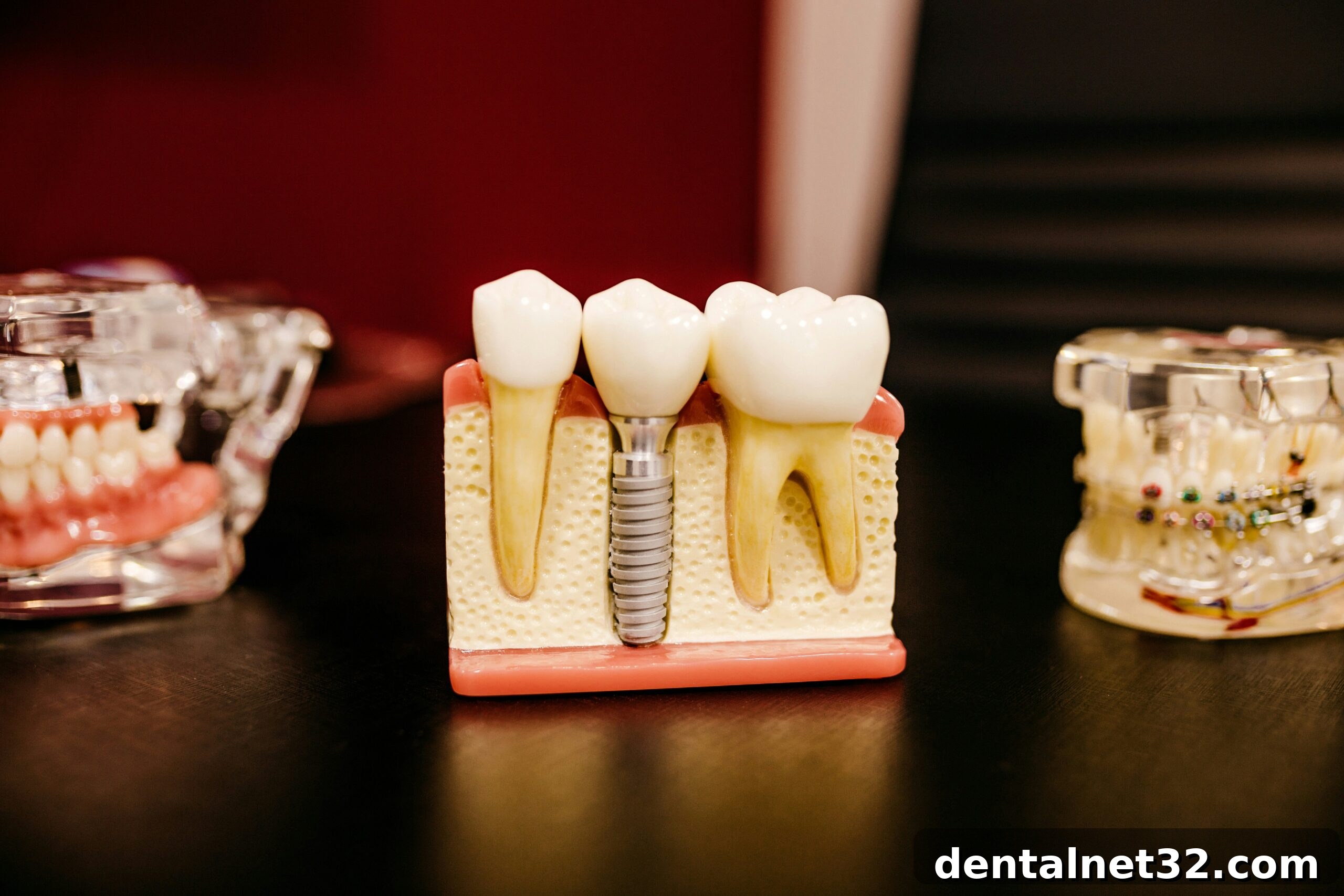
Before we address the concern about pain, it’s essential to understand what a dental implant is. A dental implant is a sophisticated, three-part artificial tooth root designed to provide a strong and stable foundation for a replacement tooth. It mimics the structure of a natural tooth, ensuring it looks, feels, and functions just like the real thing.
- The Implant Post: This is a small, screw-like post typically made from biocompatible titanium. It is surgically placed into the jawbone, where it acts as the new tooth root. Titanium is used because it has a unique ability to fuse with bone in a process called osseointegration.
- The Abutment: Once the implant post has fully integrated with the jawbone, a connector piece called an abutment is attached. This component extends just above the gum line and serves as the anchor for the final restoration.
- The Restoration (Crown): The final piece is a custom-made crown, bridge, or denture that is secured to the abutment. This visible part of the implant is meticulously crafted to match the color, shape, and size of your surrounding natural teeth, creating a seamless and beautiful smile.
The Dental Implant Procedure: A Step-by-Step Breakdown
The dental implant journey is a multi-stage process that is carefully planned to ensure the best possible outcome. While it can take several months from start to finish, each step is designed for precision and patient comfort.
- Initial Consultation and Planning: Your journey begins with a thorough examination. Your dentist will use advanced imaging, such as X-rays and 3D CBCT scans, to assess your jawbone density, determine the precise placement for the implant, and create a personalized treatment plan. This is also your opportunity to ask questions and discuss sedation options.
- Implant Placement Surgery: This is the core surgical step where the titanium post is placed into your jawbone. The procedure is performed under local anesthesia, which completely numbs the area, so you will not feel any pain—only slight pressure or vibration. For patients with dental anxiety, sedation options like nitrous oxide (laughing gas) or oral sedatives are available to ensure you remain calm and relaxed.
- Osseointegration and Healing: After the implant is placed, a crucial healing period begins. Over the next three to six months, the implant will undergo osseointegration, fusing with your jawbone to become a permanent, sturdy part of your anatomy. During this time, you may be fitted with a temporary tooth so you don’t have to live with a gap in your smile.
- Abutment Placement: Once osseointegration is complete, a minor follow-up procedure is needed to attach the abutment. Your dentist will make a small incision in the gum tissue to expose the implant and secure the connector piece. The gums are then allowed to heal around the abutment for a couple of weeks.
- Attaching the Final Crown: In the final step, your dentist will take new impressions of your mouth. These are sent to a dental lab where your custom crown is fabricated. Once ready, the permanent crown is attached to the abutment, completing your new tooth and restoring your smile.
Addressing the Main Concern: Does the Dental Implant Procedure Hurt?
This is the most critical question for many potential patients. The answer can be broken down into two parts: during the procedure and after the procedure.
During the Surgery: Thanks to effective local anesthesia, you should feel no sharp pain during the implant placement. Patients often compare the sensation to that of a routine dental filling or a simple tooth extraction. You will be aware of the work being done, including feelings of pressure and vibration, but the area will be completely numb. The primary goal of your dental team is to ensure you are comfortable and at ease from beginning to end.
After the Surgery: It is normal to experience some discomfort once the anesthesia wears off. This is a natural part of the body’s healing response. However, the pain is typically mild to moderate and is often described as a dull ache or soreness rather than a sharp, intense pain. Most patients find that this post-operative discomfort is easily manageable.
Post-Surgery Recovery: What to Expect and How Long the Discomfort Lasts
The level of discomfort and the length of the recovery period can vary depending on the complexity of the surgery, such as the number of implants placed. However, a general timeline can help you know what to expect.
- The First 24-48 Hours: This is when you will likely experience the most noticeable swelling, bruising, and soreness. This is the peak of the inflammatory response, and your dentist will provide specific instructions to manage it.
- Days 3 to 5: Discomfort and swelling should begin to significantly decrease during this period. You should start feeling more like yourself, though the area will still be tender.
- One to Two Weeks: By the end of the first week, most patients are able to return to their normal routines. Any lingering bruising will fade, and the soreness should be minimal. While the area continues to heal, it’s important to maintain gentle oral hygiene.
If you experience pain that worsens after the first few days or persists longer than a week, it is crucial to contact your dentist. This could be a sign of a complication that needs to be addressed.
Effective Pain and Discomfort Management After Your Implant Surgery
Following your dentist’s aftercare instructions is the key to a smooth and comfortable recovery. Here are some proven methods for managing post-surgical discomfort:
- Use Pain Medication as Directed: Your dentist will likely recommend over-the-counter anti-inflammatory medications like ibuprofen (Advil, Motrin) to manage pain and reduce swelling. In some cases, a prescription pain reliever may be provided. It’s important to take medication as directed, ideally before the anesthesia completely wears off.
- Apply Cold Compresses: Applying an ice pack to the outside of your cheek near the surgical site can work wonders. Use it for 20 minutes on, followed by 20 minutes off, for the first 24-48 hours to minimize swelling and numb the area.
- Stick to a Soft Food Diet: For the first few days, avoid hard, crunchy, or chewy foods that could irritate the surgical site. Opt for soft options like smoothies, yogurt, mashed potatoes, soups, and scrambled eggs.
- Practice Gentle Oral Hygiene: Keeping your mouth clean is vital for preventing infection. Avoid brushing the surgical site directly for a few days. Instead, you can rinse gently with a warm saltwater solution (a half teaspoon of salt in a cup of warm water) 2-3 times a day to kill bacteria and promote healing.
- Get Plenty of Rest: Avoid strenuous physical activity for at least 48-72 hours after surgery. Elevating your heart rate can increase bleeding and swelling at the implant site. Give your body the time it needs to heal properly.
- Avoid Smoking and Alcohol: Smoking and drinking alcohol can significantly impair the healing process, increase the risk of infection, and may even lead to implant failure. It is best to avoid them completely during your recovery period.
Are Dental Implants a Worthwhile Investment?
While the procedure requires a commitment of time and resources, the long-term benefits of dental implants are undeniable. With proper care, they can last a lifetime, making them a highly cost-effective solution for missing teeth.
Key advantages include:
- Unmatched Durability: They are designed to last for decades, unlike dentures or bridges that may need replacement every 5-10 years.
- Superior Function: Implants restore nearly 100% of your natural chewing power, allowing you to eat all your favorite foods without worry.
- Jawbone Preservation: Implants are the only tooth replacement option that stimulates the jawbone, preventing the bone loss that occurs when a tooth is missing. This helps maintain your facial structure and a youthful appearance.
- Natural Look and Feel: They are custom-designed to blend in seamlessly with your other teeth.
- Easy Maintenance: You care for them just as you would your natural teeth—with regular brushing, flossing, and dental check-ups.
Your Partner for Comfortable Dental Implants in Locust, NC
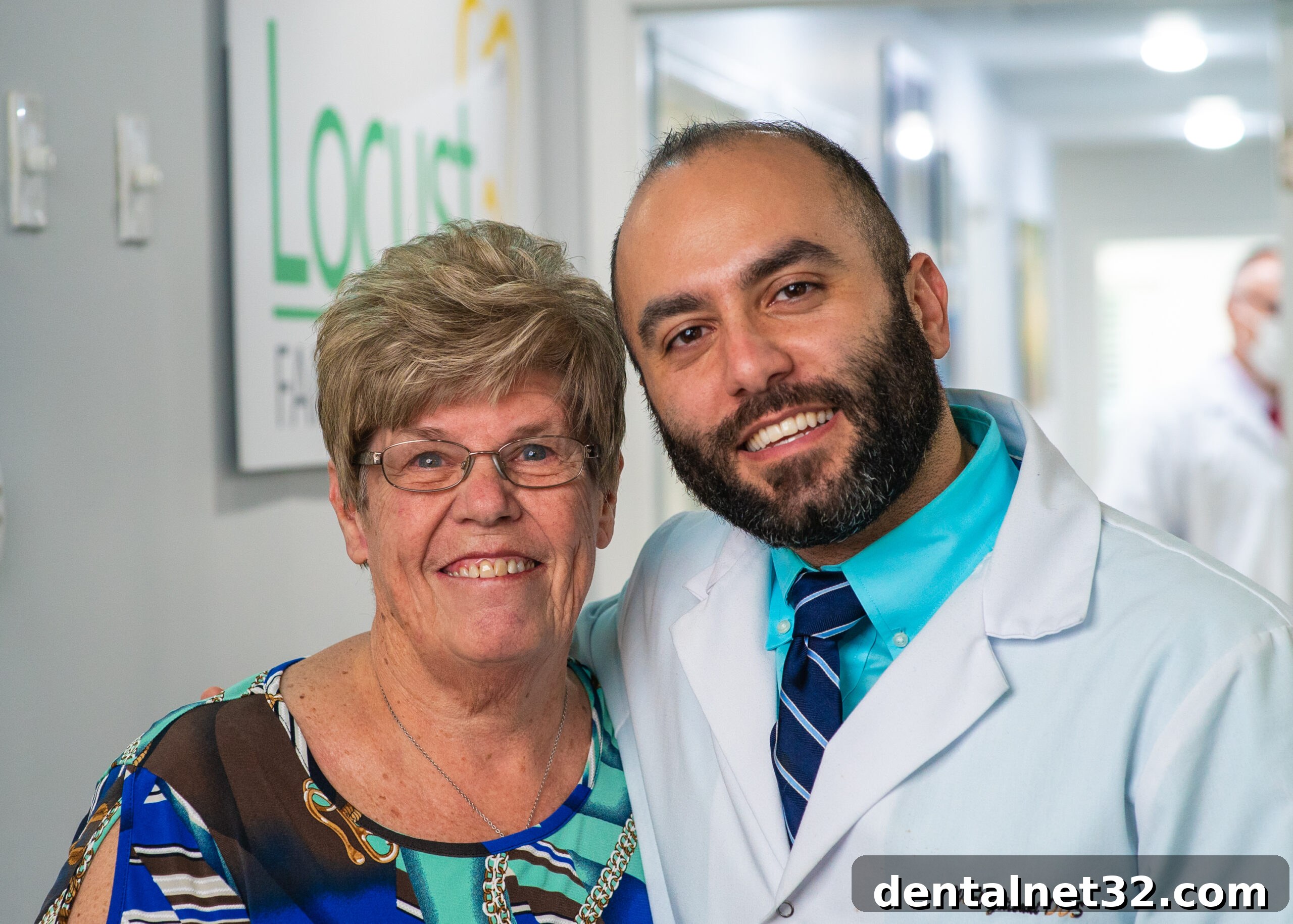
Choosing the right dental team is crucial for a successful and comfortable implant experience. At Locust Family Dentistry, Dr. Zeitouni and Dr. Maxhuni are dedicated to providing patient-focused care. Our approach prioritizes your comfort and well-being at every stage of the dental implant procedure. We use state-of-the-art technology and a gentle touch to deliver lasting results that restore not just your smile, but your confidence as well. We will evaluate your oral health, listen to your concerns, and create a personalized treatment plan designed specifically for you. If you are in Locust, NC, or the surrounding areas of Midland, Oakboro, Stanfield, and Red Cross, we invite you to learn more about how we can help you.
Ready to take the first step toward a complete, healthy smile? Schedule your appointment today to discuss your options and get all your questions about dental implants answered.
Key Takeaways
- Dental implants are a permanent solution for replacing missing teeth, designed to function and feel like natural teeth.
- The surgical procedure is performed under local anesthesia, ensuring you feel no pain during the placement of the implant.
- Post-surgery discomfort is typically mild, manageable with over-the-counter medication, and subsides within a few days.
- Following your dentist’s aftercare instructions is essential for a smooth, comfortable, and successful recovery.
- Dr. Zeitouni and Dr. Maxhuni at Locust Family Dentistry in Locust, NC, offer expert, compassionate care for patients seeking dental implants.
Sources
- https://locustfamilydentistry.com/
- https://locustfamilydentistry.com/about/meet-dr-wael-zeitouni/
- https://locustfamilydentistry.com/about/meet-dr-enes-maxhuni/
- https://locustfamilydentistry.com/dental-implants-locust-nc/
- https://pmc.ncbi.nlm.nih.gov/articles/PMC3602536/
- https://locustfamilydentistry.com/dental-services/restorative-dentistry/
- https://www.healthline.com/health/dental-and-oral-health/dental-implant-procedure
- https://www.webmd.com/oral-health/recover-oral-surgery
- https://www.healthline.com/health/dental-and-oral-health/how-long-do-dental-implants-last
- https://locustfamilydentistry.com/dental-implants-locust-nc/