
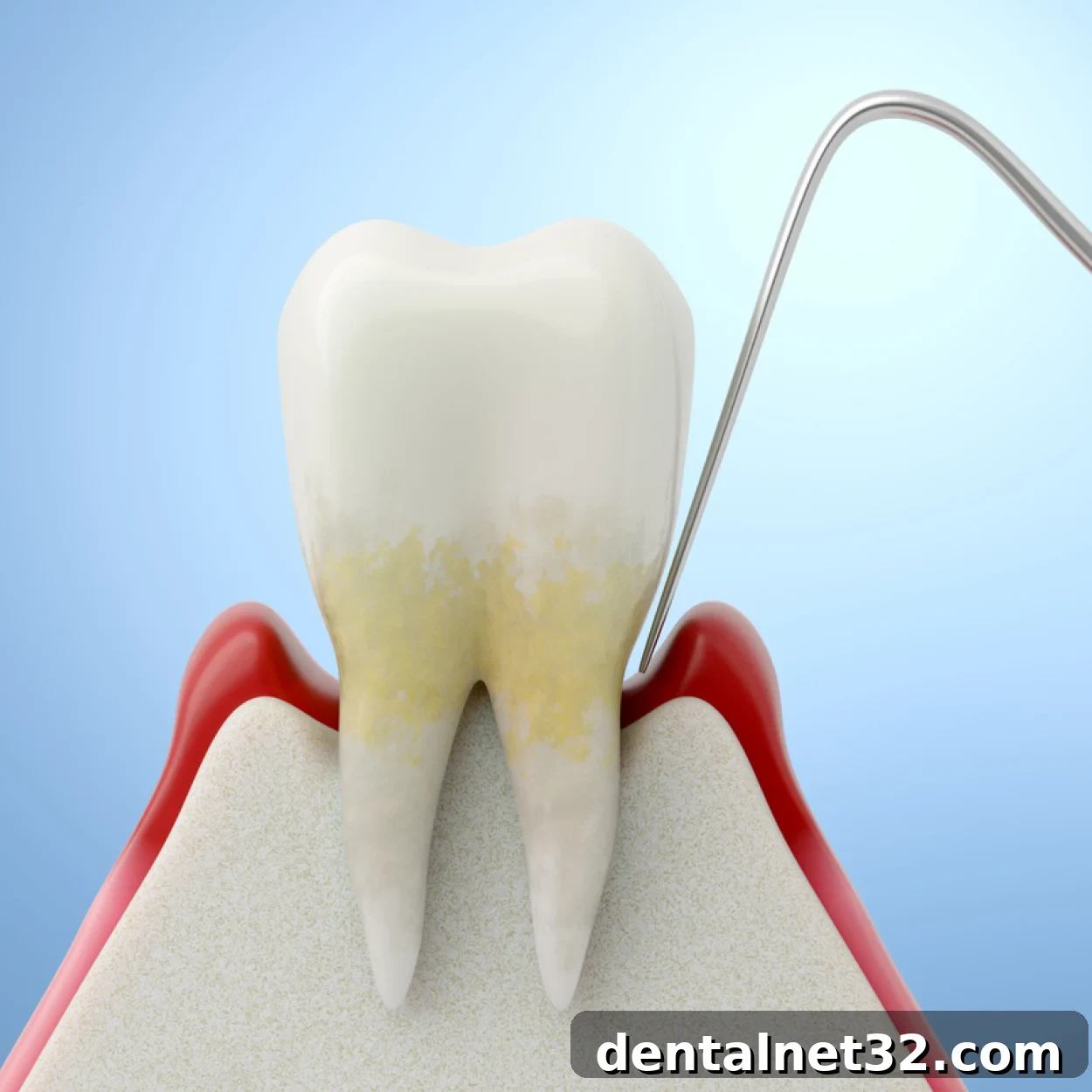
Your mouth is a complex and bustling ecosystem, home to a community of millions of bacteria known as the oral microbiome. In a healthy state, these microorganisms coexist peacefully, with many beneficial bacteria actively contributing to your oral health. However, when this delicate balance is disturbed, harmful bacteria can proliferate, leading to inflammation and infection. This condition, if left unchecked, can evolve into a serious oral health problem known as periodontal disease.
What Is Periodontal Disease? A Deeper Look
Periodontal disease, more commonly referred to as gum disease, is not a single ailment but a group of inflammatory conditions that attack the tissues supporting your teeth. It’s an infection that targets the very foundation of your smile. To fully understand its impact, it’s essential to know the structures it affects:
- Gingiva (Gums): The soft, pink tissue that surrounds the base of your teeth.
- Periodontal Ligament: A network of collagen fibers that act like shock absorbers, connecting the tooth root to the jawbone and holding it securely in its socket.
- Alveolar Bone: The part of the jawbone that contains the tooth sockets and provides crucial support for your teeth.
The dental specialty dedicated to the health of these vital structures is called periodontics. A periodontist is a dental specialist with advanced training in the prevention, diagnosis, and treatment of periodontal disease and in the placement of dental implants. The primary driver behind this widespread condition is dental plaque—a sticky, colorless biofilm of bacteria that constantly forms on your teeth. When not removed, this plaque hardens and triggers the destructive process of gum disease, a condition affecting nearly half of all adults over the age of 30 in the United States.
The Progression of Gum Disease: From Gingivitis to Periodontitis
Periodontal disease doesn’t appear overnight. It progresses through distinct stages, starting with a mild, reversible form and potentially advancing to a severe condition that can lead to tooth loss.
Stage 1: Gingivitis – The Early Warning Sign
Gingivitis is the earliest and mildest stage of periodontal disease. It is caused by the accumulation of plaque along the gumline. At this stage, the infection is limited to the gingiva, and the bone and connective tissues are not yet affected. The most common signs of gingivitis include red, swollen gums that may bleed easily, especially during brushing or flossing. The good news is that gingivitis is completely reversible with a renewed commitment to excellent oral hygiene and regular professional dental cleanings.
Stage 2: Periodontitis – The Irreversible Damage Begins
If gingivitis is not treated, the inflammation can spread from the gums to the underlying structures. The bacteria in the plaque release toxins that trigger a chronic inflammatory response. In this process, the body essentially turns on itself, and the tissues and bone that support the teeth are broken down and destroyed. Gums begin to pull away from the teeth, forming spaces called periodontal pockets. These pockets become deeper over time, collecting more plaque and bacteria that are impossible to remove with a regular toothbrush. This stage marks the beginning of irreversible bone loss.
Recognizing the Red Flags: Key Symptoms of Periodontal Disease
One of the dangers of periodontal disease is that it can be painless in its early stages. This is why it’s crucial to be aware of the signs and to see your dentist if you notice any of the following symptoms:
- Bleeding Gums: Gums that bleed during or after brushing and flossing are a primary indicator of inflammation.
- Red, Swollen, or Tender Gums: Healthy gums are firm and pale pink. Infected gums often appear bright red or purplish.
- Persistent Bad Breath (Halitosis): A constant bad taste or breath that doesn’t go away can be caused by the bacteria and food debris trapped in periodontal pockets.
- Gum Recession: You might notice your teeth appearing longer than they used to. This is a sign that your gums are receding, exposing more of the tooth root.
- Tooth Sensitivity: Exposed tooth roots due to gum recession can make your teeth sensitive to hot, cold, or sweet foods and drinks.
- Formation of Periodontal Pockets: While you can’t see them yourself, your dentist measures the depth of the space between your teeth and gums during an exam. Deepening pockets are a clear sign of disease progression.
- Loose or Shifting Teeth: As the supporting bone and fibers are destroyed, teeth can become loose or change position. You might notice a change in the way your teeth fit together when you bite.
- Pus or Abscesses: The presence of pus between your teeth and gums is a definitive sign of a serious infection.
The Mouth-Body Connection: Causes and Systemic Effects
While plaque is the direct cause of gum disease, several risk factors can increase your susceptibility and the severity of the condition. Furthermore, a growing body of research highlights a powerful connection between oral health and overall systemic health. The chronic inflammation associated with periodontitis can have far-reaching effects throughout the body.
- Smoking: Smoking is one of the most significant risk factors. It weakens your immune system’s ability to fight off gum infection and impairs the healing process of gum tissues.
- Diabetes: People with diabetes are more prone to infections, including periodontal disease. The relationship is a two-way street; severe gum disease can also make it more difficult to control blood sugar levels.
- Heart Disease: The chronic inflammation from periodontitis is linked to an increased risk of developing cardiovascular problems, including atherosclerosis (hardening of the arteries), heart attack, and stroke.
- Pregnancy Complications: Pregnant women with periodontitis may be at a higher risk for premature birth and delivering a low-birth-weight baby.
- Other Factors: Other contributors include genetics, stress, poor nutrition, hormonal fluctuations (such as during puberty or pregnancy), and certain medications that reduce saliva flow.
How We Diagnose and Treat Periodontal Disease
Early diagnosis is the cornerstone of successful treatment. During your regular dental checkups, our team performs a thorough periodontal evaluation to monitor your gum health.
The Diagnostic Process
A comprehensive periodontal exam includes several key steps:
- Visual Examination: We visually inspect your gums for signs of inflammation, such as redness, swelling, and bleeding.
- Periodontal Probing: We use a small dental instrument called a periodontal probe to gently measure the depth of the pockets around each tooth. In a healthy mouth, depths are typically between 1 and 3 millimeters. Deeper pockets suggest the presence of disease.
- Reviewing Dental X-rays: X-rays are crucial for assessing the health of the bone beneath the gumline. They allow us to see if any bone loss has occurred, which is a hallmark of periodontitis.
A Multi-Faceted Treatment Approach
Treatment for periodontal disease is tailored to the severity of your condition and aims to control the infection, halt its progression, and restore gum health.
- Improved Home Care: The first and most critical step is a commitment to meticulous daily oral hygiene. This includes learning the proper techniques for brushing twice a day and cleaning between your teeth daily with floss, interdental brushes, or a water flosser.
- Scaling and Root Planing (Deep Cleaning): For cases that have progressed beyond gingivitis, a non-surgical procedure called scaling and root planing is the standard of care. This “deep cleaning” involves removing plaque and hardened tartar (calculus) from both above and below the gumline (scaling). The root surfaces are then smoothed (planing) to help the gums reattach to the teeth and discourage future plaque buildup.
- Periodontal Maintenance: After initial treatment, patients with a history of periodontitis require more frequent cleanings, typically every three to four months. These maintenance appointments are essential for preventing the disease from recurring.
- Surgical Therapy (for Advanced Cases): If deep pockets and significant bone loss persist after non-surgical therapy, a periodontist may recommend surgical intervention. Options can include flap surgery to reduce pocket depth, as well as bone and tissue grafts to help regenerate some of the lost bone and gum tissue.
Prevention: Your Best Defense Against Gum Disease
The most effective strategy for dealing with periodontal disease is to prevent it from ever starting. By adopting a proactive approach to your oral health, you can protect your gums and ensure your smile lasts a lifetime.
- Maintain Excellent Oral Hygiene: Brush your teeth for two minutes, twice a day, and clean between them daily.
- Schedule Regular Dental Visits: Keep up with your routine cleanings and exams, allowing your dental team to catch any early signs of trouble.
- Eat a Balanced Diet: A nutritious diet rich in vitamins and minerals supports a healthy immune system and healthy gums.
- Avoid Tobacco Products: Quitting smoking and avoiding all tobacco products is one of the best things you can do for your oral and overall health.
- Manage Your Overall Health: If you have systemic conditions like diabetes, work closely with your physician to keep them under control.
Protecting your gum health is a critical investment in both your smile and your overall well-being. If you have noticed any symptoms of gum disease or have concerns about your oral health, scheduling a comprehensive evaluation is the most important step you can take toward a healthier future.