
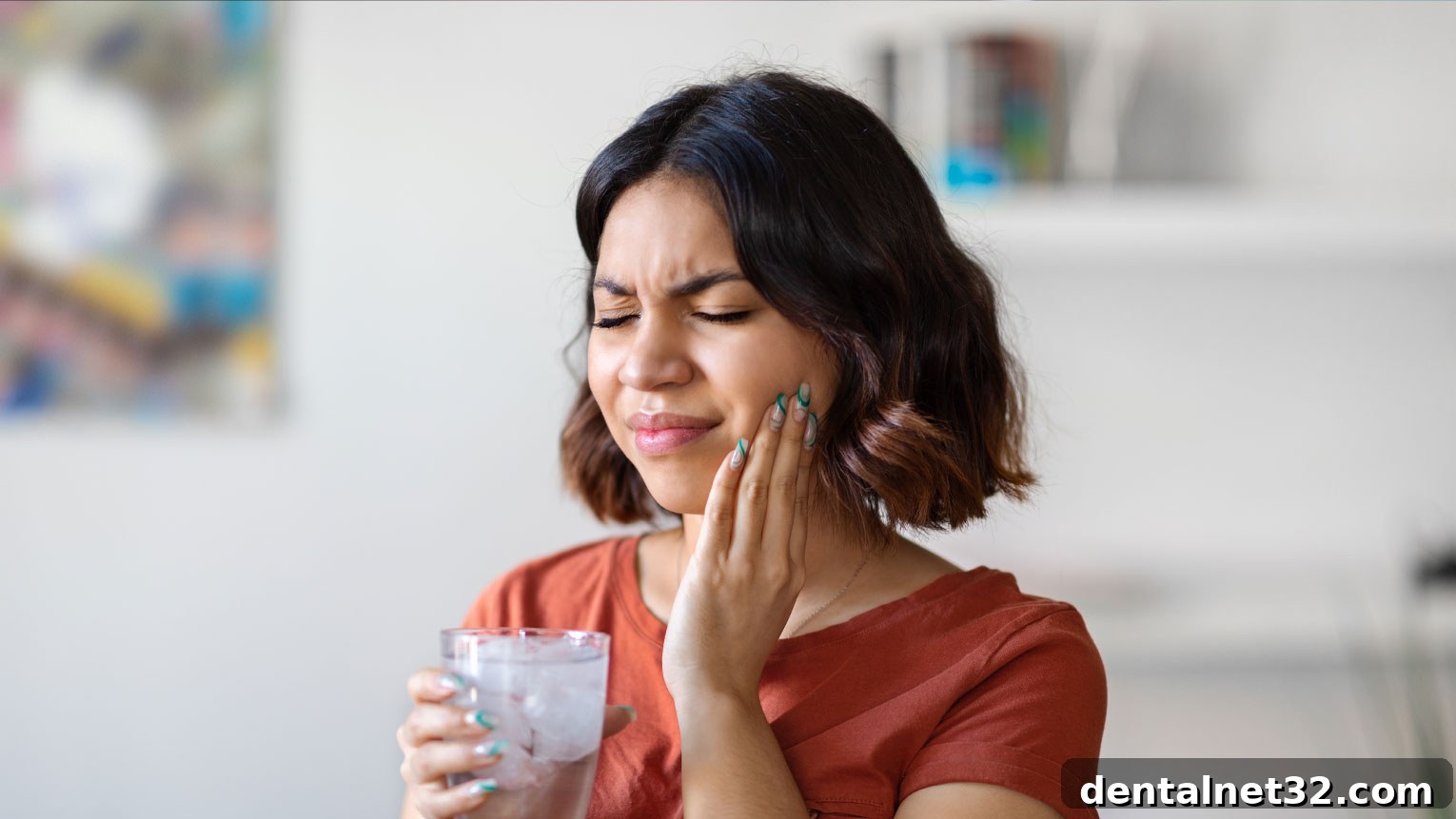
A quick twinge after a cold drink is common, but recurring or prolonged sensitivity can indicate an underlying dental problem that needs attention. The pattern, location and duration of the discomfort give your dentist important clues to determine the cause and recommend the appropriate treatment.
Why does cold reach the sensitive part of a tooth?
The visible crown of a tooth is protected by enamel while the roots are covered by gum tissue. Under these outer layers lies dentin, a porous tissue that contains microscopic tubules leading toward the dental pulp. When dentin becomes exposed—by gum recession, enamel loss, or a break in a restoration—temperature changes can stimulate the nerve inside the tooth and produce sharp or lingering sensitivity.
Common causes of cold sensitivity
Gum recession
When gums recede, the root surface can become exposed. Root surfaces are not shielded by enamel and are therefore more vulnerable to temperature changes. Recession can result from periodontal disease, tooth position, aggressive brushing, or other factors.
Enamel wear
Acidic foods and beverages, bruxism (teeth grinding), and overly forceful brushing can all contribute to wear of the enamel. As the enamel thins or is lost, underlying dentin becomes more responsive to cold and other stimuli.
Tooth decay
A cavity that penetrates enamel and reaches the dentin allows stimuli to affect the nerve. Sensitivity commonly increases as decay progresses toward the pulp.
A cracked tooth or damaged restoration
Cracks, fractured teeth, worn or leaking fillings, and loose crowns can create pathways for cold to reach sensitive tissues. Cracked teeth may also hurt when biting or when pressure is released.
Recent dental treatment
Temporary sensitivity is common after dental procedures such as fillings, crowns, professional cleanings or whitening. This typically resolves, but persistent or worsening sensitivity should be evaluated.
Inflamed dental pulp
If pain from cold lingers after the stimulus is removed, the pulp may be inflamed. Lingering, spontaneous, or severe pain can indicate pulpal involvement that may require endodontic treatment.
What can you do at home?
- Use a toothpaste formulated for sensitive teeth as directed.
- Brush gently with a soft-bristled toothbrush and avoid aggressive scrubbing.
- Maintain daily interdental cleaning with floss or interdental brushes.
- Limit frequent acidic drinks and snacks; wait about 30–60 minutes before brushing after consuming acids.
- Never place aspirin or other chemicals directly on a tooth or gum to relieve pain.
Desensitizing toothpaste often requires repeated use to provide relief. Keep in mind that these products can reduce sensitivity from exposed dentin but cannot repair decay, seal a cracked tooth, or fix a failing restoration.
When should sensitivity be evaluated?
Make a dental appointment if sensitivity is limited to one tooth, persists or worsens, disrupts sleep, or occurs with biting pain, swelling, discoloration, or a visible defect. Prompt evaluation is especially important after trauma to the mouth.
How can a dentist treat cold sensitivity?
Professional treatment depends on the underlying cause. Options include fluoride varnish or other professional desensitizing agents, bonding over exposed areas, fillings for decay, repair or replacement of damaged restorations, crowns for structurally compromised teeth, periodontal treatment for gum recession, nightguards for bruxism, or root canal therapy if the pulp is irreversibly inflamed. Your dentist may also recommend changes in brushing technique, diet or oral care products.
Routine dental exams allow your clinician to evaluate sensitive teeth and determine the least invasive, most effective treatment for your situation.
What does the duration of cold pain mean?
Pain that stops almost immediately after the cold stimulus is removed often reflects exposed dentin or mild irritation. Pain that continues after the stimulus is gone, is spontaneous, wakes you at night, or is aggravated by heat or sweets can point to deeper pulp inflammation. Duration of pain is only one diagnostic clue and must be correlated with clinical findings and tests.
Why can several teeth feel sensitive?
Generalized sensitivity across many teeth can follow whitening procedures, frequent consumption of acidic foods and drinks, aggressive brushing habits, widespread gum recession, or grinding. Sometimes a single problematic tooth causes referred sensations that make it hard to identify the exact source; dentists will test neighboring teeth to establish a baseline comparison.
How acidic foods and drinks affect enamel
Soda, sports and energy drinks, citrus beverages and frequent acidic snacks can soften enamel temporarily. Repeated exposure accelerates erosion. To protect enamel, sip acidic drinks less often, choose water for routine hydration, and delay brushing for a short time after consuming acids to avoid brushing softened enamel.
Do not try to manage sensitivity with abrasive powders or home remedies involving acids; these can accelerate surface wear and worsen the problem.
Could whitening be responsible?
Peroxide-based whitening commonly causes temporary sensitivity. The intensity of discomfort is influenced by concentration, contact time, frequency of treatment and the presence of recession, cracks or cavities. Discontinue use of any whitening product that causes severe or persistent sensitivity and consult your dentist. A dental evaluation before professional whitening is advisable to address preexisting conditions first.
What happens during a sensitivity evaluation?
During an exam, the dentist will inspect for gum recession, enamel wear, cavities, cracks, loose restorations and signs of grinding. Diagnostic tests may include air blasts, cold tests, gentle pressure, bite tests, periodontal measurements and X-rays. These assessments help distinguish exposed dentin from an internal tooth problem.
Possible professional treatments
- Topical fluoride varnish or other desensitizing agents
- Bonding over exposed or worn areas
- Fillings to treat decay
- Repair or replacement of damaged restorations
- Nightguard to protect teeth from grinding
- Gum treatment for recession or periodontal disease
- Root canal therapy for irreversible pulpal inflammation
The least invasive effective option will be chosen based on a precise diagnosis. Remember that home desensitizing toothpaste can help with exposed dentin but cannot resolve cracks or remove decay.
What should you monitor before the visit?
Track which tooth or area reacts, how long the sensation lasts, whether heat or sweets also trigger it, and whether biting causes pain. Note recent whitening, dental procedures, injuries, and any changes in diet or oral-care products. Bringing the actual products or photos of their labels to the appointment can be helpful.
Do not normalize worsening symptoms
Occasional sensitivity is common, but repeated or lingering pain deserves explanation. Early evaluation can lead to simpler treatment and prevent more extensive problems.
Can sensitivity be prevented?
Use gentle brushing with a soft brush, limit repeated acid exposure, wear a custom nightguard if you grind, and have damaged restorations assessed promptly. These steps reduce avoidable irritation, though some conditions, like recession, cracks and decay, may still occur. Regular dental checkups help catch changes before sensitivity becomes severe.
Source
- American Dental Association: Sensitive Teeth (information summarized)