
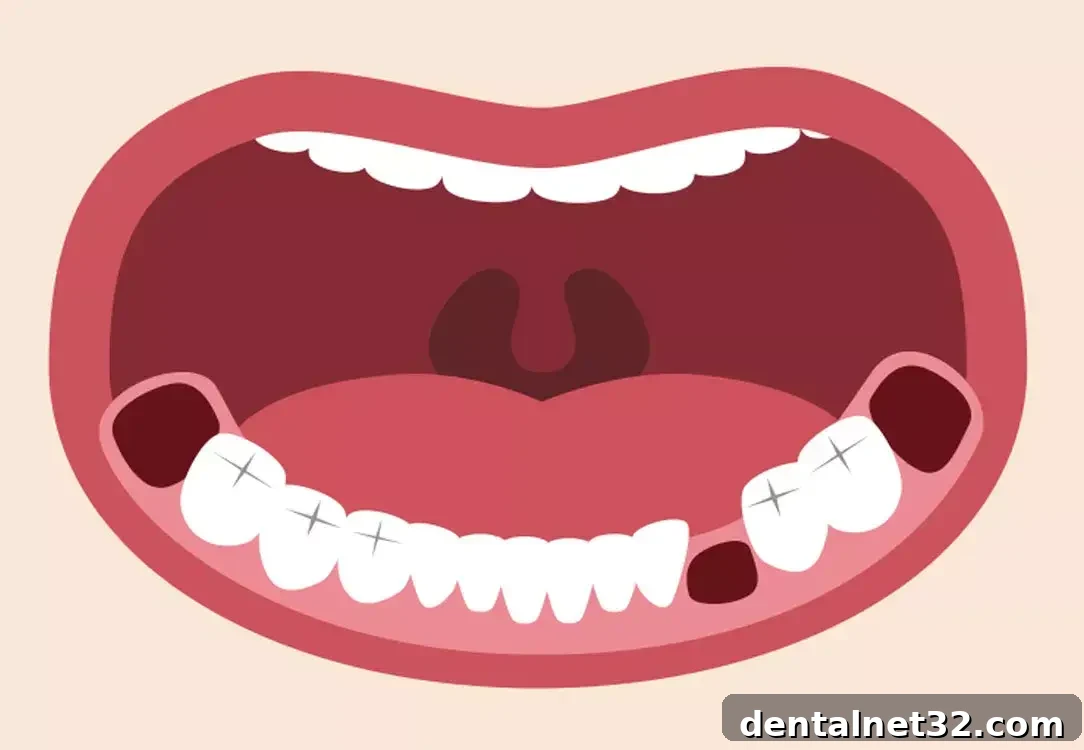
Your Ultimate Guide to Tooth Extraction Aftercare for a Smooth Recovery
Having a tooth extracted is a common dental procedure, but what you do afterward is critical for a fast and comfortable recovery. Whether you’ve had a wisdom tooth removed or a tooth pulled due to decay or damage, proper aftercare is the key to preventing complications and promoting healing. This comprehensive guide will walk you through every step of the post-extraction process, from the first 24 hours to the weeks that follow, ensuring your recovery is as smooth as possible.
The First 24 Hours: The Foundation for Healing
The first day after your tooth extraction is the most crucial period for your recovery. Your primary goal is to allow a protective blood clot to form and stay in place over the extraction site. This clot acts as a natural bandage, safeguarding the underlying bone and nerves. Here’s exactly what you need to do:
- Control Bleeding with Gauze: Your dentist will place a sterile gauze pad over the extraction site. Bite down with firm, consistent pressure for 30-60 minutes. This pressure is essential to stop the bleeding and encourage clot formation. If bleeding continues, replace the gauze with a fresh, damp piece and repeat. Minor oozing is normal, but contact your dentist if you experience heavy bleeding.
- Prioritize Rest: Plan to take it easy for the rest of the day. Avoid any strenuous activity, exercise, or heavy lifting. Increased heart rate and blood pressure can dislodge the vital blood clot, leading to a painful condition called dry socket. Lie down with your head propped up on pillows to help reduce swelling.
- Manage Discomfort Proactively: It’s best to take your first dose of pain medication before the local anesthetic wears off completely. For most extractions, over-the-counter pain relievers like ibuprofen (Advil, Motrin) or acetaminophen (Tylenol) are effective. If your dentist prescribed stronger medication, take it as directed.
- Apply a Cold Compress: To minimize swelling and bruising, apply an ice pack or a cold compress to your cheek on the side of the extraction. Follow a cycle of 20 minutes on and 20 minutes off for the first 24 hours. This helps constrict blood vessels and reduce inflammation.
- Avoid Oral Disruption: For the first day, do not rinse your mouth, spit forcefully, or use a straw. These actions create suction or pressure that can easily dislodge the blood clot.
Diet and Nutrition: What to Eat After Tooth Extraction
Nourishing your body is important for healing, but you’ll need to be careful with your food choices. Sticking to a soft-food diet protects the sensitive extraction site.
Foods to Eat:
- Day 1: Focus on cool, soft foods that require no chewing. Good options include smoothies (no seeds), yogurt, applesauce, pudding, and lukewarm, smooth soups.
- Days 2-3: You can gradually introduce warmer, more substantial soft foods as you feel comfortable. Think scrambled eggs, oatmeal, mashed potatoes, and soft-cooked pasta.
- After Day 3: Slowly reintroduce your regular diet, but continue to avoid chewing on the side of the extraction until the area is no longer tender.
Foods and Drinks to Avoid:
- Hard & Crunchy Foods: Chips, nuts, popcorn, and hard candies can damage the healing tissue or get stuck in the socket.
- Sticky Foods: Caramels and taffy can pull on the healing site.
- Spicy & Acidic Foods: These can cause irritation and pain in the sensitive wound.
- Alcohol & Hot Beverages: Avoid alcohol for at least 48 hours as it can interfere with healing. Hot drinks like coffee or tea can dissolve the blood clot.
Maintaining Oral Hygiene After Extraction
Keeping your mouth clean is vital for preventing infection, but you must be gentle.
- First 24 Hours: Do not brush the teeth immediately next to the extraction site. You can gently brush and floss your other teeth. Do not rinse.
- After 24 Hours: You can begin gentle rinsing. Mix half a teaspoon of salt in an 8-ounce glass of warm water. Gently swish the solution in your mouth for 30 seconds after meals and before bed. This saltwater rinse helps clean the area and promotes healing.
- Resuming Brushing: After the first day, you can carefully resume brushing near the extraction site with a soft-bristled toothbrush. Avoid directly touching the socket with the brush.
Understanding and Preventing Complications
While most recoveries are straightforward, it’s important to know the signs of potential complications and how to prevent them.
Dry Socket (Alveolar Osteitis)
Dry socket is the most common complication, occurring when the blood clot is dislodged prematurely, exposing the underlying bone and nerves. This is often very painful.
- Symptoms: Severe, throbbing pain that starts 2-4 days after the extraction, pain that radiates to your ear, a bad taste in your mouth, and a visibly empty-looking socket.
- Prevention: The best prevention is to follow all aftercare instructions diligently. Do not smoke, use straws, or spit forcefully. Smokers are at a significantly higher risk for developing dry socket, so it is crucial to avoid tobacco for as long as possible during healing.
Infection
While less common, an infection can develop in the extraction site.
- Symptoms: Increased swelling or pain that doesn’t improve after 3-4 days, a fever, pus or a foul-smelling discharge from the socket, and persistent bad breath.
When to Call Your Dentist
Your healing process should show steady improvement each day. Contact your dentist immediately if you experience any of the following:
- Uncontrollable bleeding that doesn’t stop after applying firm pressure with gauze.
- Severe pain that is not managed by your prescribed pain medication.
- Swelling that worsens after the third day.
- Signs of a dry socket or infection, such as fever, pus, or radiating pain.
- An allergic reaction to medication (e.g., rash, hives, difficulty breathing).
Frequently Asked Questions About Tooth Extraction Aftercare
How long does the pain last after a tooth extraction?
Discomfort is typically most noticeable for the first 48-72 hours and should gradually improve each day. Mild tenderness can persist for up to a week. If your pain worsens instead of getting better, it could be a sign of a complication.
When can I return to work or school?
Most people can return to non-strenuous work or school within 1-2 days. If your job involves heavy physical labor, you may need to take a few extra days off to avoid dislodging the blood clot.
What does a healing tooth extraction site look like?
In the first few days, you’ll see a dark red blood clot in the socket. As it heals, you will notice white or yellowish tissue (granulation tissue) forming over the clot. This is a normal and healthy part of the healing process and should not be mistaken for pus.
Your Partner in Dental Health
Following these aftercare instructions is your best strategy for a quick and uneventful recovery. Remember that every patient’s healing journey is unique. By resting, eating properly, and maintaining gentle oral hygiene, you provide your body with the best possible environment to heal. If you have any questions or concerns during your recovery, do not hesitate to reach out. We are here to support you every step of the way, ensuring your path back to a healthy smile is a smooth one.