
A Dentist’s Ultimate Guide to a Tooth-Friendly Halloween
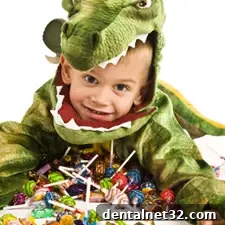
The air grows crisp, jack-o’-lanterns grin from every porch, and the delightful season of spooky fun is upon us. Halloween is a time for costumes, creativity, and, of course, a glorious abundance of candy. For kids and adults with a sweet tooth, it’s a day of guilt-free indulgence. But as the candy buckets fill up, a common concern lurks in the shadows: the potential for cavities and dental woes. The good news is that you don’t have to choose between enjoying the holiday and maintaining a healthy smile. As dentists who also love a good Halloween treat, we’re here to share practical, expert advice on how to navigate the sugary landscape and keep your family’s teeth protected.
Why Halloween Poses a Unique Challenge for Dental Health
To understand how to protect your teeth, it’s helpful to know what you’re up against. The primary culprit behind tooth decay isn’t sugar itself, but the chain reaction it triggers in your mouth. Your mouth is home to millions of bacteria, some helpful and some harmful. The harmful bacteria absolutely love to feast on the sugars and starches found in candy, cookies, and other sweet treats. When they consume these sugars, they produce acid as a byproduct. This acid attacks your tooth enamel, the hard, protective outer layer of your teeth. Each time you eat a sugary snack, this acid attack can last for about 20 minutes. If you’re snacking on candy throughout the day, your teeth are under a constant state of assault, which demineralizes the enamel and eventually leads to cavities.
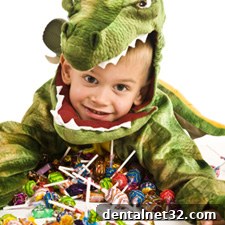
Halloween candy is particularly problematic because of the sheer volume and the prolonged period of consumption. Instead of a single dessert after a meal, many people graze on their candy haul for days or even weeks, creating the perfect environment for decay-causing bacteria to thrive.
Your 5-Step Strategy for a Cavity-Free Halloween
Navigating this sugary season is all about strategy. By being mindful and proactive, you can significantly reduce the risk of dental problems. Here are five essential tips from a dentist’s perspective.
1. Become a Candy Connoisseur: Sort the Good from the Ghoulish
Not all candies are created equal when it comes to their impact on your teeth. Once the trick-or-treating is done, sit down with your kids and sort the candy haul. This is a great opportunity to teach them about making healthier choices. Divide the sweets into “eat now” and “trade away” piles based on their properties.
The Worst Offenders for Your Teeth
- Sticky & Chewy Candies: This category includes caramels, taffy, gummy bears, and fruit snacks. Their sticky nature means they cling to the grooves of your teeth for extended periods, giving sugar more time to fuel acid-producing bacteria. They are also notoriously difficult to clean off with just a toothbrush.
- Hard Candies: Lollipops, jawbreakers, and other hard sweets seem harmless, but they pose a double threat. First, they dissolve slowly, bathing your teeth in sugar for a long time. Second, biting down on them incorrectly can lead to a dental emergency, such as a chipped or broken tooth.
- Sour Candies: Sour treats are often a favorite, but they are exceptionally damaging. To create that tangy taste, they contain high levels of acid (like citric acid and malic acid) in addition to sugar. This means you get a direct acid attack on your enamel, even before bacteria produce their own.
Smarter, Tooth-Friendly Choices
- Dark Chocolate: If you’re going to indulge, chocolate is one of the better options, especially dark chocolate. It dissolves quickly and washes off the teeth more easily than sticky candies. Dark chocolate also contains compounds like antioxidants that can actually inhibit bacterial growth and prevent sugar from turning into acid.
- Sugar-Free Gum & Lollipops: Look for treats sweetened with xylitol. Xylitol is a natural sweetener that harmful bacteria cannot digest. This means they can’t produce acid. Chewing sugar-free gum after eating also stimulates saliva production, which is your mouth’s natural defense mechanism for rinsing away food particles and neutralizing acids.
- Powdery Candies: Candies like Pixy Stix dissolve almost instantly in the mouth, leaving very little residue behind to stick to teeth. While still pure sugar, their contact time is minimal, making them a less harmful option.
2. Strategic Snacking: Timing is Everything
Instead of allowing continuous snacking throughout the day, designate specific times for enjoying Halloween treats. The best time to eat candy is with a meal or shortly after. During a meal, your mouth produces more saliva, which helps wash away food particles and neutralize the harmful acids produced by bacteria. Limiting candy consumption to one or two sittings per day minimizes the duration of acid attacks on your teeth, giving your enamel time to recover and remineralize.
A great visual trick is to keep the candy wrappers in a visible spot, like a clear jar. This serves as a simple, non-judgmental reminder of how many treats have been consumed, which can help both kids and adults moderate their intake.
3. Master Your Oral Hygiene Routine
Halloween is the perfect time to double down on your family’s oral health habits. Consistency is key to preventing cavities, especially when sugar consumption is higher than usual. Reinforce the importance of brushing thoroughly for two full minutes, twice a day, using a fluoride toothpaste. Don’t forget the “oh-so-dreaded” daily flossing! Flossing is crucial for removing candy remnants and plaque from between the teeth, where a toothbrush can’t reach.
One pro-tip: wait about 30 minutes after eating candy (especially sour candy) before brushing. Immediately after consuming acidic or sugary foods, your tooth enamel is slightly softened. Brushing right away can scrub away this weakened enamel. A better approach is to rinse your mouth with water immediately after your treat, wait 30 minutes for your saliva to neutralize the acids, and then brush thoroughly.
4. The Power of Hydration and Healthy Alternatives
Water is your smile’s best friend. Encourage your family to drink plenty of water, especially after eating candy. Swishing with water helps rinse away residual sugar and acids, cleansing the mouth and diluting the fuel source for harmful bacteria. Avoid sugary drinks like soda, juice, or sports drinks, as they add another layer of sugar to the equation.
You can also be part of the solution by offering non-candy treats to trick-or-treaters. Fun alternatives like stickers, temporary tattoos, glow sticks, bouncy balls, or small craft kits are often just as exciting for kids and are a welcome option for parents concerned about sugar overload.
5. Schedule a Post-Halloween Dental Visit
There’s no better time than after a major sugar event to schedule a routine dental check-up and cleaning for the whole family. A professional cleaning will remove any plaque and tartar buildup that your daily routine might have missed. Furthermore, your dentist can spot any early signs of cavities and address them before they become bigger problems. It’s also a great opportunity to discuss preventative treatments like dental sealants for your children, which provide a protective barrier over the chewing surfaces of their molars.
Enjoy the Fun, Protect the Smiles
Halloween is a wonderful holiday meant to be enjoyed. With a little planning and a mindful approach, you can let your family partake in the sweet festivities without fear of a dental horror story later. By sorting candy, timing your treats, staying hydrated, maintaining excellent oral hygiene, and visiting your dentist, you can ensure that the only spooky things this season are the costumes.
As Robert Louis Stevenson said, “There is only one difference between a long life and a good dinner; that in the dinner, the sweets come last.” Enjoy those sweets in moderation, and have a wonderfully happy and healthy Halloween!