
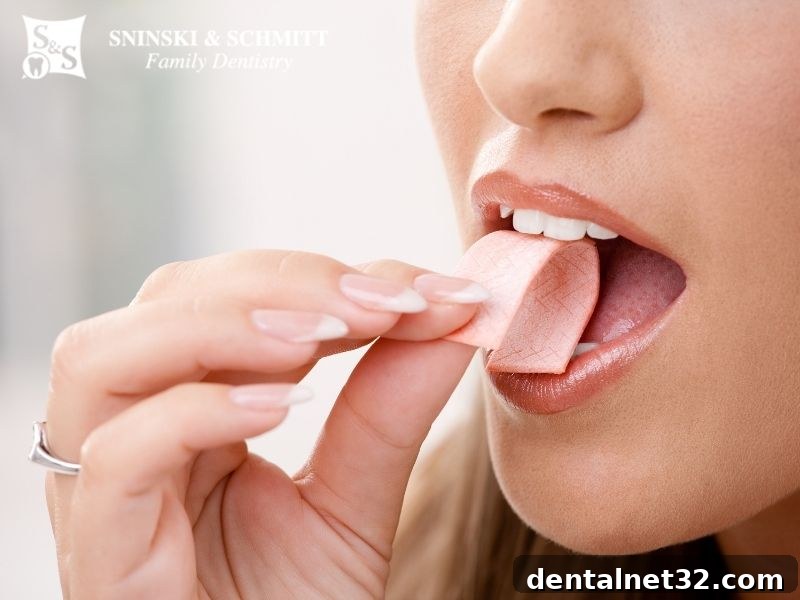
Have you ever wondered if your chewing gum habit is helping or harming your teeth? The simple act of chewing gum is often viewed with suspicion, but the truth is more nuanced. Not all gums are created equal. In fact, choosing the right kind—specifically, sugar-free gum—can be a surprisingly effective tool for protecting your teeth against decay and promoting excellent oral hygiene. There are numerous positive effects of chewing sugarless gum that contribute to a healthier smile.
This comprehensive guide explores the multifaceted world of chewing gum, from its ancient origins to its modern-day impact on your dental and overall health. We’ll uncover both the remarkable benefits and the potential drawbacks to help you make informed choices.
A Glimpse into the Ancient History of Chewing Gum
The practice of chewing gum is far from a modern invention; its roots stretch back thousands of years into human history. Archeological evidence reveals that our ancestors chewed on various natural substances for pleasure, hygiene, and even medicinal purposes. One of the earliest known examples was discovered in Sweden, where archaeologists found lumps of birch bark tar bearing the tooth imprints of children and teenagers from over 9,000 years ago, dating back to the Neolithic period.
This ancient habit wasn’t isolated. Civilizations across the globe developed their own versions of chewing gum. The ancient Greeks, for instance, chewed a resin from the mastic tree, aptly named “mastic.” They valued it for its ability to clean their teeth and freshen their breath, thanks to its natural antiseptic properties. Similarly, the ancient Mayans chewed “chicle,” a substance derived from the sapodilla tree, to combat thirst and hunger. This tradition was also present among Native Americans, who chewed spruce tree resin and later introduced the practice to European settlers, laying the groundwork for the commercial chewing gum industry that would emerge centuries later.
The Positive Effects of Chewing Sugar-Free Gum
When incorporated into a daily oral care routine that includes brushing twice a day with fluoride toothpaste and flossing, chewing sugar-free gum can significantly lower your risk of developing cavities. The benefits stem from a series of positive physiological reactions triggered by the simple act of chewing.
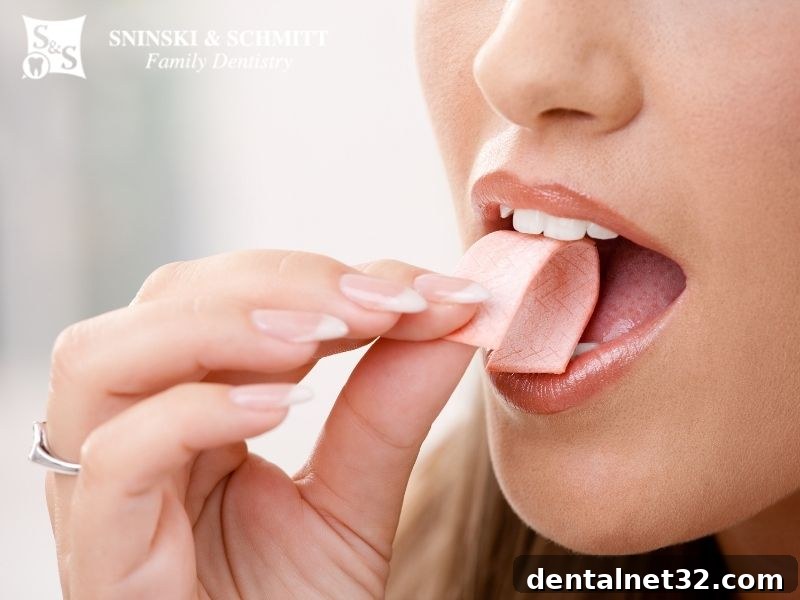
The primary benefit of chewing sugarless gum is the stimulation of saliva. After you eat, leftover food particles are broken down by bacteria in your mouth, creating harmful acids that attack your tooth enamel. Chewing gum for about 20 minutes after a meal dramatically increases your saliva flow. This saliva acts as a natural rinsing agent, neutralizing these acids and washing away food debris, which helps protect your teeth and promote a healthier oral environment. Furthermore, the increased saliva carries higher concentrations of calcium and phosphate, essential minerals that help strengthen and remineralize tooth enamel.
Key Benefits of Chewing Sugarless Gum:
- Boosts Saliva Production: The mechanical action of chewing, combined with the flavor from the gum, signals your salivary glands to work overtime. This increased saliva flow is your body’s first line of defense against plaque acids and tooth decay.
- Strengthens Tooth Enamel: Some advanced sugar-free gums contain a compound called casein phosphopeptide-amorphous calcium phosphate (CPP-ACP), also known by the brand name Recaldent. This ingredient actively helps to remineralize tooth enamel, effectively slowing down or even reversing the earliest stages of tooth decay.
- Fights Cavity-Causing Bacteria: Many sugar-free gums are sweetened with Xylitol, a natural sugar substitute. Xylitol is a powerful ally in the fight against cavities. Research has consistently shown that the harmful bacteria in your mouth cannot metabolize Xylitol for energy. This inhibits their growth and reduces the amount of plaque-forming bacteria, ultimately preventing decay.
- Freshens Breath: Chewing gum can provide immediate relief from bad breath (halitosis) by masking odors with its pleasant flavor. More importantly, the increased saliva helps wash away the food particles and bacteria that are often the root cause of unpleasant smells.
Beyond Oral Health: Unexpected Benefits of Chewing Gum
The advantages of chewing sugar-free gum can extend beyond your mouth. Maintaining good oral hygiene is intrinsically linked to your overall well-being, and this simple habit can play a supportive role in other areas of your health. Periodontal disease has been linked to serious conditions like diabetes and cardiovascular disease, making every effort to improve oral health a worthy endeavor.
Recent research has indicated that adults who chew sugar-free gum regularly may have a lower intake of sugary snacks throughout the day, potentially aiding in weight management. The act of chewing can satisfy cravings and signal fullness to the brain. Additionally, for those who suffer from acid reflux, chewing gum after a meal can be beneficial. The increased saliva production helps neutralize stomach acid that may have traveled up into the esophagus, providing relief from heartburn. Some studies even suggest that the act of chewing can increase blood flow to the brain, potentially improving focus, concentration, and memory for short periods.
Potential Downsides and Risks of Chewing Gum
Despite its many benefits, chewing gum is not without its potential negative effects. Overindulgence or choosing the wrong type of gum can lead to a range of issues, from jaw discomfort to dental problems.
Digestive Discomfort from Sugar Alcohols
Sugar-free gums rely on sugar alcohols like sorbitol and mannitol for their sweetness. While they don’t cause cavities, these substances can have a laxative effect when consumed in large quantities. Chewing many pieces of sugar-free gum in a day could lead to digestive distress, including gas, bloating, and diarrhea. Furthermore, sugar alcohols are classified as FODMAPs, a group of carbohydrates that can trigger severe digestive symptoms in individuals with Irritable Bowel Syndrome (IBS).
The Dangers of Gum Containing Sugar
Chewing gum sweetened with regular sugar is unequivocally bad for your teeth. The sugar provides a feast for the harmful bacteria in your mouth. As these bacteria digest the sugar, they produce acid that erodes tooth enamel, directly leading to plaque buildup and tooth decay over time. A high-sugar diet is also linked to a host of systemic health problems, including obesity, insulin resistance, and type 2 diabetes.
Jaw Strain and Temporomandibular Disorder (TMD)
Just like any other muscle in your body, your jaw muscles can be overworked. Constant, habitual gum chewing can put excessive strain on the temporomandibular joint (TMJ), which connects your jaw to your skull. This can potentially lead to a painful condition known as temporomandibular disorder (TMD), characterized by jaw pain, clicking sounds, and difficulty chewing. While not everyone who chews gum will develop TMD, those who chew excessively are at a higher risk.
Potential Link to Headaches
Some research suggests a connection between frequent gum chewing and headaches. The constant motion and muscle tension in the jaw may trigger tension-type headaches or even migraine episodes in susceptible individuals. While more research is needed to fully understand this link, experts often recommend that people who suffer from chronic headaches consider limiting their gum-chewing habit.
How to Choose the Best Chewing Gum for Your Teeth
Navigating the candy aisle can be overwhelming, but selecting a tooth-friendly gum is simple if you know what to look for. To reap the dental benefits, always opt for a sugar-free gum. Look for products that have earned the ADA (American Dental Association) Seal of Acceptance. This seal confirms that the product is safe and has demonstrated its effectiveness in protecting teeth. These gums are sweetened with non-cavity-causing sweeteners such as aspartame, xylitol, sorbitol, or mannitol. For an extra layer of protection, choose a gum that lists Xylitol as one of its primary ingredients.
Contact Sninski & Schmitt Family Dentistry to Schedule Your Dental Appointment
While chewing sugar-free gum is a fantastic supplement to your oral hygiene routine, it is not a substitute for regular dental care. Professional cleanings and exams are essential for maintaining the long-term health of your teeth and gums. If it’s time for your routine dental check-up, reach out to the experienced team at Sninski & Schmitt Family Dentistry. Staying on top of your scheduled appointments is the best way to monitor your oral health and address any potential issues early. Call our Holly Springs location at (919) 600-6262 or our dentists in Cary NC at 919-467-2203, or fill out our contact form to schedule your appointment today.