
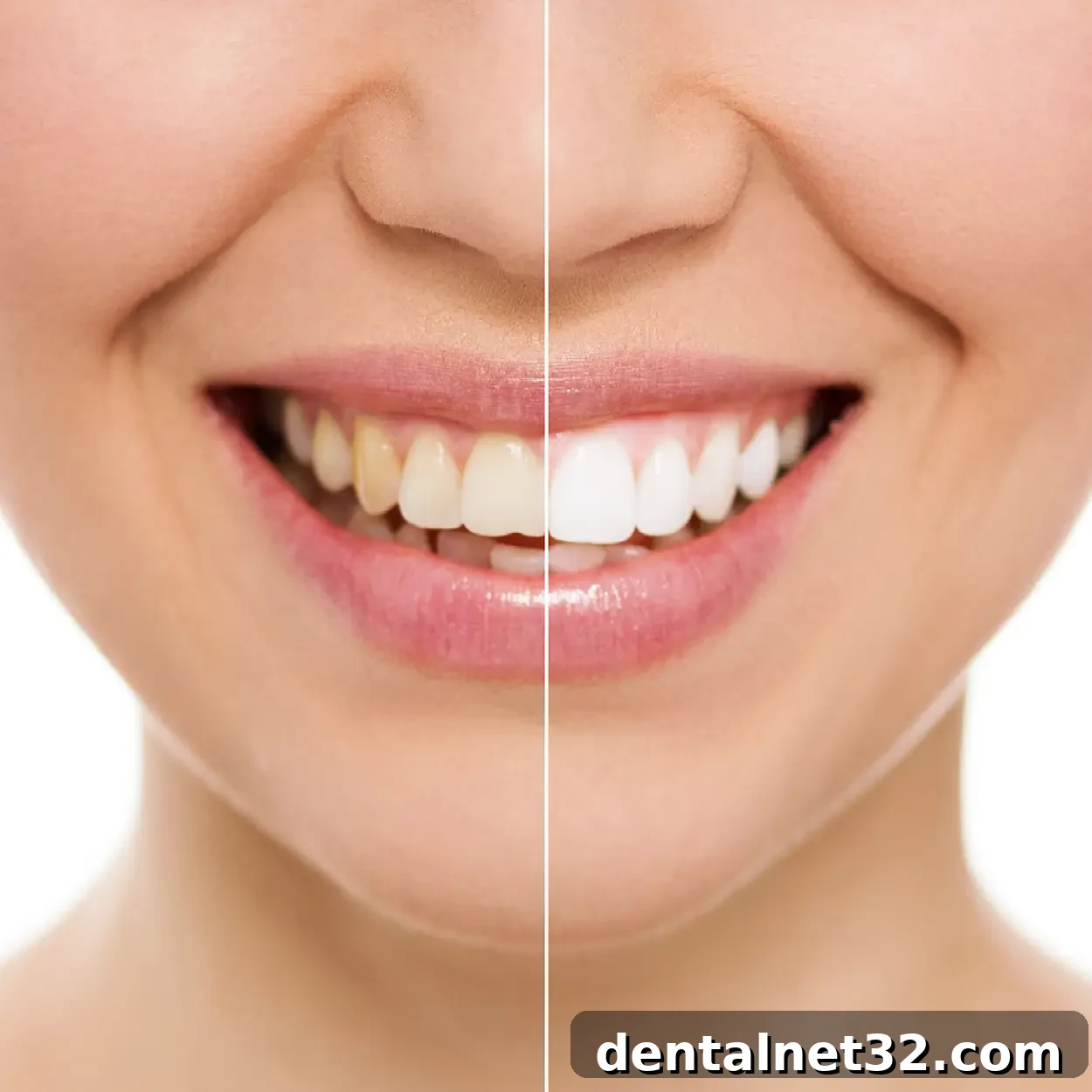
The Ultimate Guide to Teeth Whitening: Achieve a Brighter, Healthier Smile
In today’s world, heavily influenced by social media and Hollywood glamour, a radiant, white smile is more sought-after than ever. Bright teeth are often associated with youth, health, and confidence. This cultural demand has even led dentists to create shades that are “whiter than white,” often called the “Hollywood smile.” While the appeal of a dazzling smile is undeniable, it’s crucial to approach teeth whitening with knowledge and care. Your teeth are not just a cosmetic accessory; they are essential tools for your overall health and well-being. A truly beautiful smile is a healthy one.
Before you start any whitening treatment, it’s vital to understand the causes of discoloration, how the whitening process works, and which options are safest and most effective for you. This guide will walk you through everything you need to know to make an informed decision and achieve the bright, healthy smile you desire. Remember, prioritizing your oral health is the first step toward a smile that not only looks great but also lasts a lifetime. We always recommend consulting with a dental professional before beginning any whitening journey.
Understanding the Causes of Tooth Discoloration
Ever wonder why your teeth aren’t as white as they used to be? Tooth discoloration is a common issue with a variety of causes. Understanding the source of the staining is the first step in choosing the right whitening treatment. Stains generally fall into two main categories: extrinsic and intrinsic.
Extrinsic Stains: The Surface-Level Culprits
Extrinsic stains are the most common type of discoloration. They affect the enamel, which is the hard, outer layer of your teeth. These stains are caused by pigments from foods, drinks, and other lifestyle habits that accumulate on the tooth surface over time. Think of it like a dye staining a white shirt. The primary culprits behind extrinsic stains include:
- Dark-Colored Beverages: Coffee, tea, red wine, and dark sodas are rich in chromogens, intense color pigments that stick to tooth enamel.
- Certain Foods: Berries, tomato sauce, soy sauce, and curry are also known for their staining potential. A good rule of thumb is that if it can stain your clothes, it can likely stain your teeth.
- Tobacco Use: Both smoking and chewing tobacco are major causes of yellow and brown stains. The tar and nicotine in tobacco seep into the pores of the enamel, causing stubborn discoloration.
The good news is that extrinsic stains are typically the easiest to remove. Professional cleanings, whitening toothpastes, and various bleaching treatments are often very effective against these surface-level stains.
Intrinsic Stains: Discoloration from Within
Intrinsic stains originate from within the tooth, affecting the dentin—the softer layer of tissue beneath the enamel. Because these stains are deeper, they can be more challenging to treat. Intrinsic discoloration occurs when the internal structure of the tooth changes color. Common causes include:
- Aging: As we age, our enamel naturally thins, allowing more of the yellowish dentin to show through. This gives teeth a darker, more yellowed appearance over time.
- Trauma or Injury: A blow to a tooth can disrupt blood flow and damage the nerve, causing the tooth to turn gray, brown, or black from the inside.
- Medications: Certain medications, such as the antibiotic tetracycline, can cause significant intrinsic staining, especially if taken when teeth are still developing in childhood. Excessive fluoride exposure during childhood (fluorosis) can also lead to white or brown spots on the enamel.
- Genetics: Some people are simply born with enamel that is naturally thinner or more translucent, making their teeth appear more yellow.
Treating intrinsic stains often requires more powerful solutions, such as professional in-office whitening or cosmetic procedures like veneers or bonding, as over-the-counter products may not be strong enough to penetrate deep into the tooth.
How Does Teeth Whitening Actually Work?
The science of teeth whitening has evolved significantly from ancient remedies. The modern breakthrough came in the late 1960s when an orthodontist, Dr. William Klusmeier, prescribed an antiseptic gel containing 10% carbamide peroxide to treat a patient’s inflamed gums. He noticed an unexpected side effect: the patient’s teeth became noticeably whiter.
Today’s whitening treatments are based on this same principle. The active ingredients in most professional and over-the-counter whitening products are either hydrogen peroxide or carbamide peroxide. When carbamide peroxide comes into contact with your teeth, it breaks down into hydrogen peroxide and urea.
The hydrogen peroxide then acts as a powerful oxidizing agent. It penetrates the porous outer layer of the enamel and enters the dentin. There, it initiates a chemical reaction that breaks apart the complex, colored organic molecules that cause stains. By breaking these molecules into smaller, colorless pieces, the peroxide effectively bleaches the tooth from the inside out, resulting in a whiter and brighter appearance. The structure of the tooth remains unchanged; only the stained molecules are altered. This process is highly effective for most extrinsic and some milder intrinsic stains.
Your Guide to Teeth Whitening Treatments: What Are the Options?
When it comes to whitening your teeth, there is no one-size-fits-all solution. The best option for you depends on your budget, timeline, and the type of discoloration you have. Let’s explore the three main categories of whitening treatments.
1. Professional In-Office Whitening
For the fastest and most dramatic results, professional in-office whitening is the gold standard. Performed by a trained dental professional, this procedure uses a high-concentration peroxide gel (typically 25-40% hydrogen peroxide) that is carefully applied to the teeth. Your gums and lips are protected with a special barrier, and the gel is often activated with a high-intensity light or laser to accelerate the bleaching process. The entire procedure usually takes about an hour, and you can walk out of the dental office with a smile that is several shades lighter.
- Pros: Extremely fast and effective results. Safe procedure performed under professional supervision.
- Cons: The most expensive option. May cause temporary tooth sensitivity.
2. Dentist-Prescribed At-Home Whitening Systems
A popular and effective alternative to in-office treatment is a professional take-home kit provided by your dentist. This system involves creating custom-fitted trays that perfectly match your teeth. Your dentist will provide you with a lower-concentration peroxide gel (usually 10-20% carbamide peroxide) to place in the trays. You’ll wear the trays for a specified amount of time each day, typically from 30 minutes to a few hours, over a period of one to two weeks. Because the trays are custom-made, they ensure the whitening gel is evenly distributed and stays in contact with your teeth for optimal results, while minimizing contact with your gums.
- Pros: Excellent, long-lasting results that are comparable to in-office treatments over time. More affordable than in-office procedures. You can whiten your teeth on your own schedule.
- Cons: Results are more gradual. Requires consistent daily use for a week or more.
3. Over-the-Counter (OTC) Products
The most accessible and affordable options are found in your local pharmacy. These include whitening strips, brush-on gels, and whitening toothpastes. Whitening strips are the most popular OTC choice and contain a thin layer of a lower-strength peroxide gel. While they can be effective for minor surface stains, they are generally less potent than professional options. The one-size-fits-all design may not cover all teeth evenly, leading to blotchy results. It’s crucial to follow the manufacturer’s instructions carefully to avoid gum irritation or enamel damage.
- Pros: Inexpensive and widely available. Convenient to use.
- Cons: Less effective and results are not as dramatic or long-lasting. Higher risk of uneven results and gum sensitivity if not used correctly.
Frequently Asked Questions About Teeth Whitening
It’s natural to have questions before starting a whitening treatment. Here are answers to some of the most common concerns.
Is everyone a good candidate for teeth whitening?
Not always. The best way to determine if whitening is right for you is to consult with your dentist. They will perform a thorough examination to check for any underlying issues that could be complicated by the whitening process. Individuals with gum disease, gingival recession, thin enamel, or highly sensitive teeth may need to address these issues before proceeding. Whitening is also not recommended for pregnant or lactating women.
How long do the results of teeth whitening last?
The longevity of your results can vary widely, typically lasting anywhere from six months to two years. The “fade rate” depends heavily on your lifestyle and dietary habits. If you continue to consume staining foods and drinks or use tobacco, your teeth will likely become discolored again more quickly. To maintain your bright smile, your dentist may recommend occasional touch-up treatments once or twice a year.
Is the teeth whitening process safe for my enamel?
Yes, when used as directed and under the guidance of a dental professional, teeth whitening is considered very safe. Numerous studies have confirmed that the bleaching agents do not damage or weaken the tooth’s enamel. However, overuse or incorrect application of over-the-counter products can lead to enamel erosion and severe sensitivity. This is why professional supervision is so highly recommended for the safest and most effective outcome.
Will whitening treatments affect my crowns, veneers, or fillings?
This is a crucial point to consider. Whitening agents do not change the color of dental restorations like porcelain veneers, crowns, or composite fillings. These materials are non-porous and will not lighten. If you whiten your natural teeth, they may become brighter than your dental work, creating a noticeable color mismatch. If you’re planning to get a crown or veneer, it’s often best to whiten your teeth first so your dentist can match the restoration to your newly brightened shade.
Do whitening toothpastes and chewing gums really work?
Whitening toothpastes can be effective at removing surface-level extrinsic stains because they contain mild abrasives that help polish the teeth. However, they do not contain bleaching agents and therefore cannot change the natural, intrinsic color of your teeth. Similarly, some “whitening” gums claim to break up surface stains, but their effect is minimal at best. They can help maintain a white smile but won’t produce significant lightening on their own.
Final Thoughts: Embracing a Healthy, Confident Smile
Your smile is one of your most powerful assets, a universal greeting to the world. If you choose to enhance it with teeth whitening, remember that the foundation of a beautiful smile is always excellent oral health. Consulting with a dental professional is the surest way to achieve the best and safest results tailored to your unique needs.
It’s also important to have realistic expectations. The pursuit of a “perfect” Hollywood-white smile can be an endless and expensive goal. Instead of letting a shade guide dictate your self-image, take pride in a healthy, clean, and functional smile that will serve you for a lifetime—no matter its exact color. A confident smile comes not just from its brightness, but from the health and care you invest in it. For personalized advice and to explore the best treatment options for you, schedule a consultation with your local dentist today.